EN
EN

How to customize length size of precision cut GI coil finished sheets
2026/09/11
Learn how to specify precision cut GI coil sheets in custom lengths — tolerance selection, coating integrity, and ordering tips.
2026/08/11
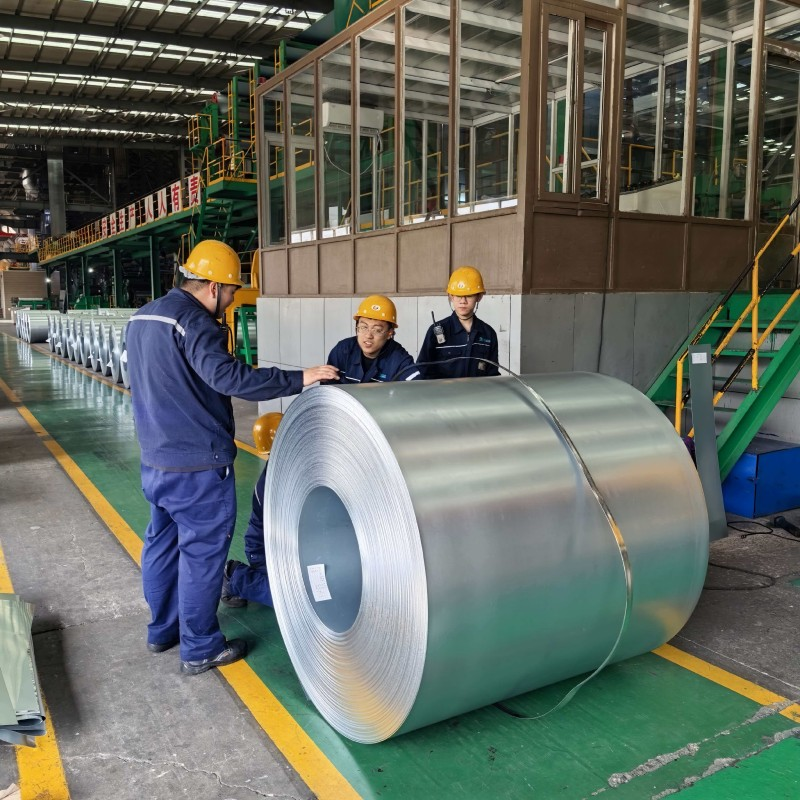
When engineers sit down to specify materials for structural manufacturing, the decision between hot rolled coil and galvanized coil often becomes the pivotal fork in the project road. Both materials serve as foundational inputs for countless industrial applications, yet their performance profiles differ dramatically depending on environmental exposure, load requirements, and lifecycle expectations. Over the past five years working with structural fabricators across Southeast Asia and the Middle East, industry experience shows that projects succeed or struggle almost entirely based on this single material selection. Understanding the technical distinctions between a hot rolled coil and a galvanized coil is not merely academic—it directly determines whether a structure stands for decades or requires premature intervention in demanding structural manufacturing steel applications.
A standard hot rolled coil is produced by rolling steel slabs at temperatures exceeding 1,700 degrees Fahrenheit, where the metal becomes pliable enough to be shaped into coils of varying thicknesses. This high-temperature creation process builds a characteristic blue-grey oxide scale on the surface, which provides minimal corrosion protection on its own. Hot rolled coil typically offers yield strengths ranging from 250 MPa for commercial grades to over 400 MPa for high-strength low-alloy variants. According to ASTM A1011 and ASTM A36 standards, these hot rolled vs galvanized input materials remain the workhorse choice for internal structural components, machinery frames, and welded assemblies where surface finish is secondary to mechanical performance.
Galvanized coil, by contrast, takes a hot rolled coil or cold rolled substrate and immerses it in a molten zinc bath at approximately 860 degrees Fahrenheit. This hot-dip galvanizing process creates a metallurgically bonded zinc-iron alloy layer that delivers sacrificial cathodic protection across any structural steel coil component. Even if the coating gets scratched, the surrounding zinc continues to protect the exposed steel substrate. Galvanized coil produced to ASTM A653 standards typically carries zinc coating weights from 120 grams per square meter up to 350 grams per square meter and beyond, making it uniquely suitable for structures exposed to moisture, salt air, and chemical environments.
The structural manufacturing sector demands materials that carefully balance strength, workability, and durability. A hot rolled coil excels in applications requiring deep drawing, welding, and machining, as its mill-finished surface presents no coating interference during fabrication. However, when structures face outdoor exposure or humid indoor environments, a galvanized coil dramatically outperforms unprotected hot rolled coil in service life. A comprehensive study by the American Galvanizers Association demonstrated that hot-dip galvanized structural manufacturing steel provides a mean service life of 72 years in moderate industrial atmospheres, compared to approximately 15 years for uncoated hot rolled steel under identical conditions.
| Property | Hot Rolled Coil | Galvanized Coil |
| Yield Strength (typical) | 250-400 MPa | 250-340 MPa (substrate dependent) |
| Surface Protection | Oxide scale (minimal) | Zinc coating (G120-G350+) |
| Corrosion Resistance | Low (requires painting) | High (sacrificial protection) |
| Welding Compatibility | Excellent | Good (zinc removal recommended at welds) |
| Cost per Ton (relative) | 1.0x baseline | 1.15-1.35x baseline |
| Typical Service Life (outdoor) | 10-15 years | 50-75 years |
| Standard Reference | ASTM A1011 / A36 | ASTM A653 / A653M |
Consider a major 12,000-square-meter logistics warehouse project near Port Klang, Malaysia, where the original specification called for standard hot rolled coil structural members with post-fabrication painting. The environment carried chloride deposition rates exceeding 200 milligrams per square meter per day—aggressive corrosion territory. After reviewing the projected 25-year lifecycle costs, engineers recommended switching primary structural members to a robust galvanized coil with a minimum G210 coating weight. The upfront material cost increased by approximately 22 percent, but the avoided repainting cycles saved an estimated 340,000 USD over the structure's service life. The galvanized coil members completed multiple monsoon seasons with zero visible red rust, validating the material selection for harsh structural steel coil environments.
Choosing between a hot rolled coil and a galvanized coil requires evaluating five critical factors on the factory floor:
Exposure Environment: Indoor, dry locations suit a hot rolled coil, while outdoor or humid environments demand a galvanized coil.
Load-Bearing Requirements: A hot rolled coil offers broader grade selections for high-strength structural manufacturing steel applications.
Fabrication Processes: A hot rolled coil welds more readily without fume concerns from zinc vaporization.
Target Service Life: Structures expected to last over 20 years in exposed conditions benefit significantly from a galvanized coil.
Total Lifecycle Cost: Smart calculations look beyond initial material costs, as a galvanized coil often wins on a lifecycle basis despite higher upfront pricing.
Structural manufacturing projects must comply with regional building codes and international standards. A hot rolled coil for structural use typically conforms to ASTM A36, EN 10025, or JIS G3101. A galvanized coil for structural applications follows ASTM A653, EN 10346, or JIS G3302. Engineers should verify that coil suppliers provide mill test certificates documenting yield strength, tensile strength, elongation percentage, and coating weight to ensure full compliance with project specifications.
For internal machinery frames and enclosed equipment housings, a hot rolled coil generally delivers the best value proposition because its lower cost and superior weldability reduce both material and fabrication expenses. For external structural frames, platforms, stairways, and support systems exposed to weather, a galvanized coil pays for itself within 5 to 8 years through eliminated maintenance painting. When projects involve mixed environments—partially enclosed structures with some exposed components—a hybrid approach using a hot rolled coil for internal members and a galvanized coil for external elements provides the optimal balance of cost and performance in hot rolled vs galvanized design strategies.
Shenyang Yuanhe supplies both hot rolled coil and galvanized coil options to structural manufacturers worldwide, backing every shipment with comprehensive mill test certifications and coating weight verification. Advanced coil processing capabilities feature precision slitting and cut-to-length services, enabling fabricators to receive structural steel coil products sized to exact structural manufacturing specifications. For projects requiring mixed material packages, the supplier coordinates consolidated shipments to streamline procurement and minimize logistics complexity for international buyers.
2026/09/11
Learn how to specify precision cut GI coil sheets in custom lengths — tolerance selection, coating integrity, and ordering tips.
2026/09/11
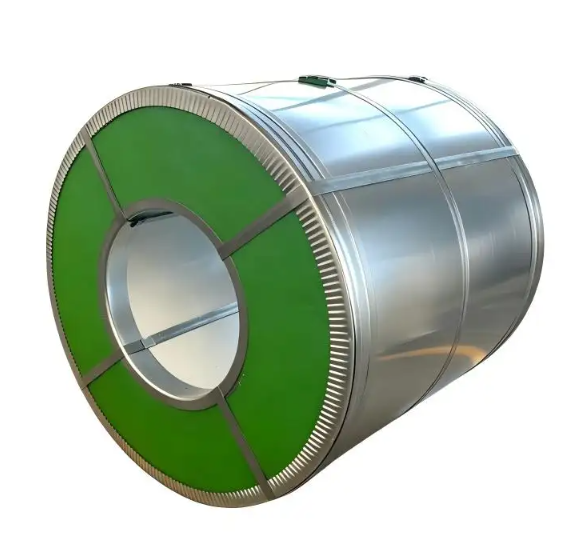
Learn why premium finish galvalume steel coil delivers better paint adhesion and visual consistency in finished building products. Request specs today.
2026/09/10
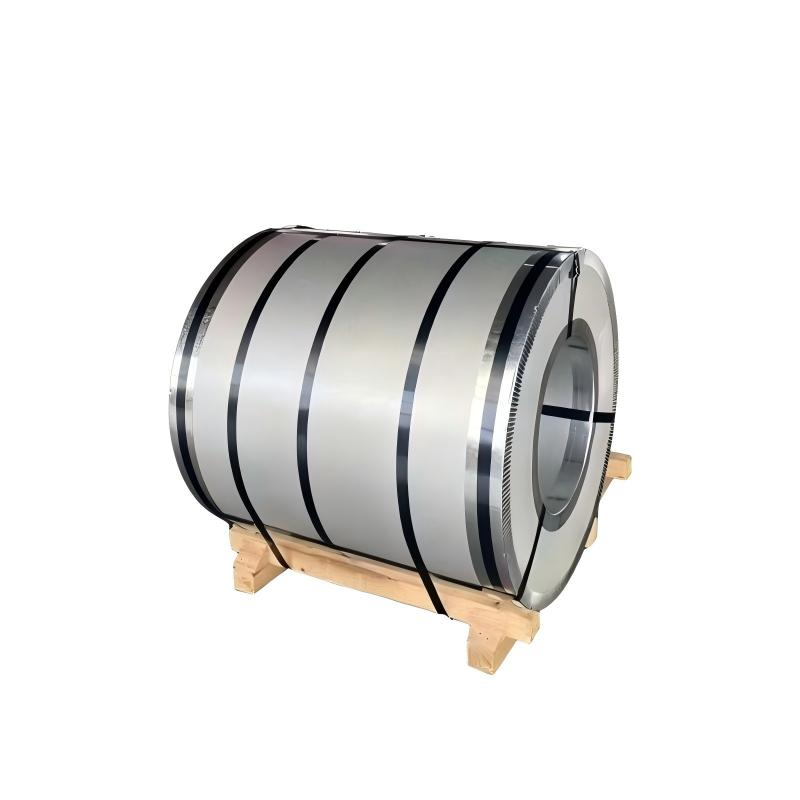
Learn why heavy coating galvalume steel coil provides superior corrosion resistance in harsh coastal settings and saves long-term maintenance costs.
2026/09/10
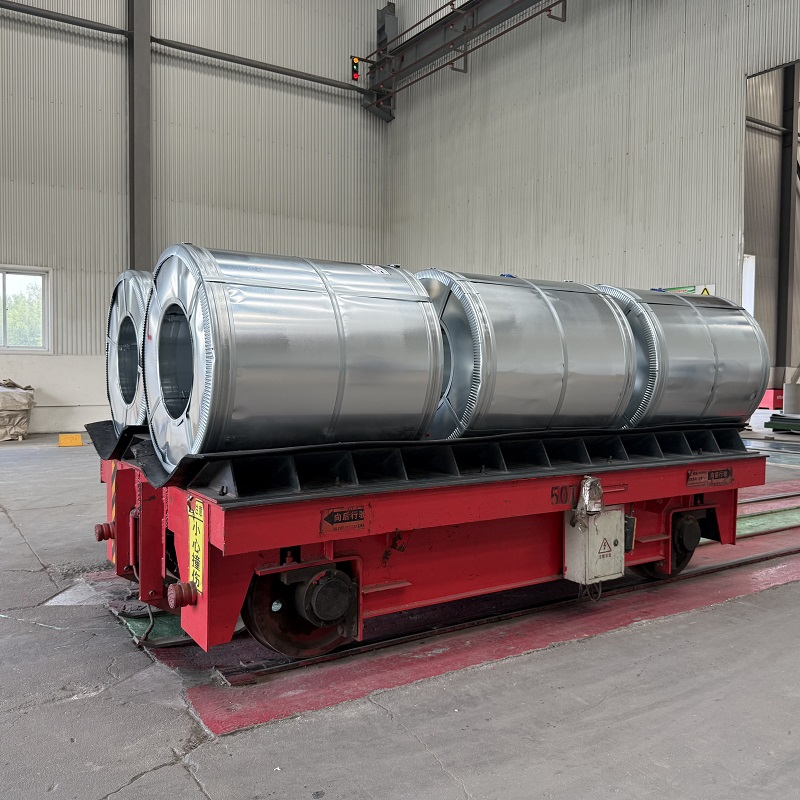
Learn how to test the bending performance of formable galvalume steel coil samples using T-bend testing to prevent cracking and scrap.
2026/09/10
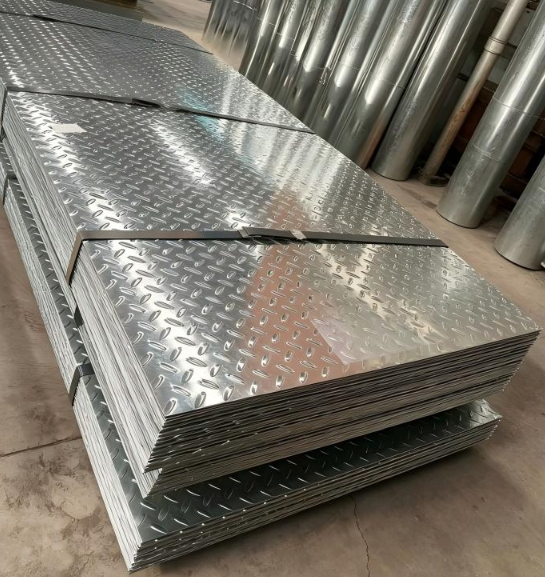
Discover how multi specification galvalume steel coil simplifies purchasing, boosts productivity, and lowers costs for metal fabricators.
2026/09/10
Discover why hot dipped galvanized steel and hot dip galvanized checkered plate offer ideal corrosion resistance and strength for road guardrails.
Covering green transformation, product comparison, selection guide, and industry empowerment, helping you fully grasp the dynamics of the color steel industry.

Global climate action and Belt and Road cooperation are driving the color steel industry’s shift toward green, sustainable development.
Comparing PPGI and PPGL across performance, durability, and applications to help you select the optimal coated steel for your project.
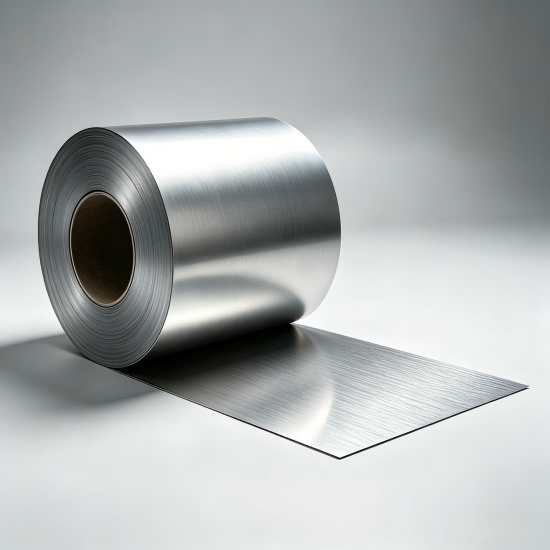
A practical guide to selecting and applying color steel coils, ensuring optimal performance, durability, and cost-effectiveness for your projects.
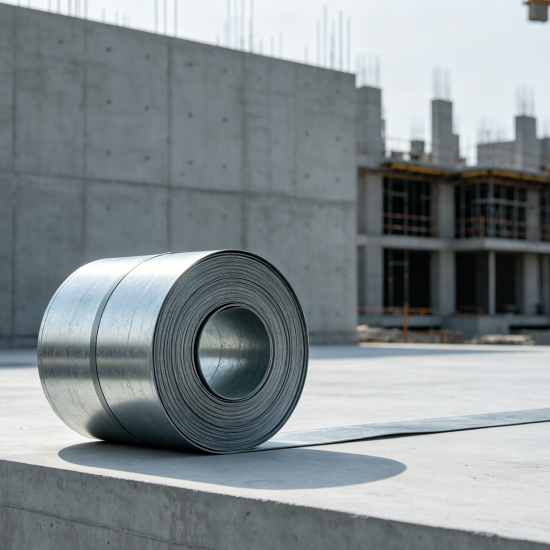
Industry forum drives digital and green transformation, empowering steel sector development through innovation and collaboration.