EN
EN

How to customize length size of precision cut GI coil finished sheets
2026/09/11
Learn how to specify precision cut GI coil sheets in custom lengths — tolerance selection, coating integrity, and ordering tips.
2026/07/21
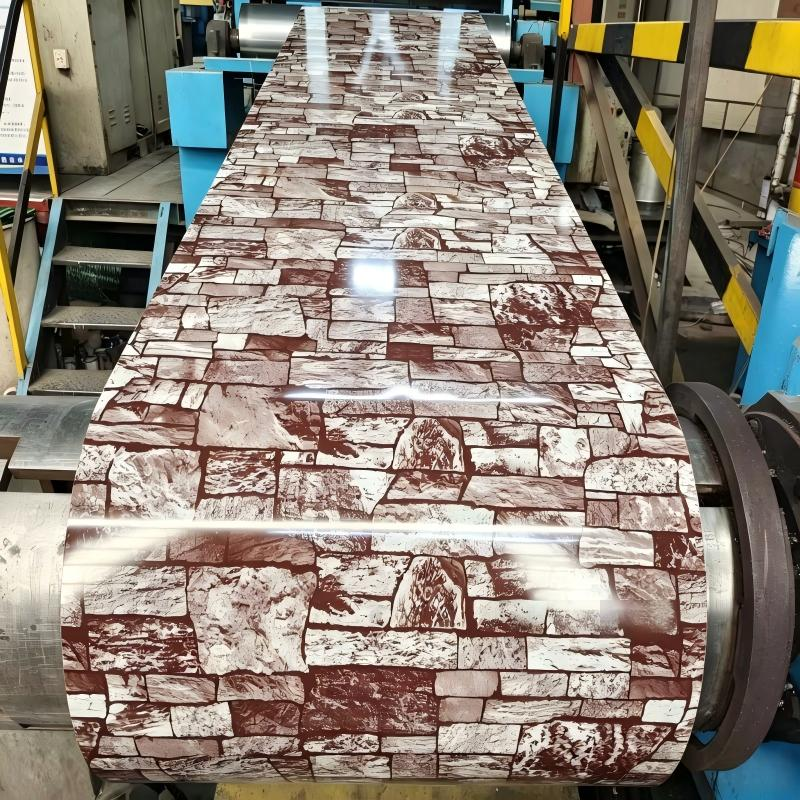
Selecting between colour coated steel coil and colour coated aluminium coil is a decision that directly impacts project cost, structural performance, and long-term durability. Both materials serve similar applications in roofing, wall cladding, and appliance manufacturing, yet their physical properties differ significantly. Understanding these differences helps buyers avoid over-specifying expensive material where steel suffices, or under-specifying where aluminium is necessary. In our experience advising buyers across Middle Eastern and African markets, the most common selection error is choosing colour coated steel coil for coastal projects where salt spray exposure demands the superior corrosion resistance of colour coated aluminium coil. Conversely, using aluminium where structural load capacity is the priority leads to unnecessary cost inflation.
Colour coated steel coil typically uses a cold-rolled or galvanized steel substrate such as DX51D+Z for PPGI or DX51D+AZ for PPGL, conforming to ASTM A653 and JIS G3302 SGCC standards. The substrate provides high tensile strength, typically ranging from 270 to 500 megapascals, making it suitable for load-bearing applications. Colour coated aluminium coil uses aluminium alloy substrates such as 3003, 3004, or 5005, which offer lower tensile strength in the range of 130 to 290 megapascals but significantly lower density. The steel substrate in colour coated steel coil provides better formability for deep drawing and roll profiling operations, while the aluminium substrate in colour coated aluminium coil offers superior thermal conductivity and reflectivity. These inherent substrate differences drive the application suitability of each material.
For structural applications where wind load, snow load, or mechanical stress is a factor, colour coated steel coil is generally the preferred choice. The yield strength of galvanized steel substrates used in colour coated steel coil exceeds 300 megapascals for most commercial grades, providing the structural rigidity needed for roofing spans, wall panels, and load-bearing profiles. Colour coated aluminium coil, while offering adequate strength for non-load-bearing applications, typically achieves yield strengths below 200 megapascals for common architectural alloys. This means that for the same span and loading condition, a thicker aluminium panel may be required to match the structural performance of a thinner steel panel, partially offsetting the weight advantage. Buyers should consult structural engineers to determine whether colour coated steel coil or colour coated aluminium coil meets the specific load requirements of their project.
The density difference between steel and aluminium is substantial. Steel has a density of approximately 7.85 grams per cubic centimeter, while aluminium weighs about 2.70 grams per cubic centimeter, roughly one-third of steel. This means that colour coated aluminium coil of the same thickness and dimensions weighs approximately 35 percent of the equivalent colour coated steel coil. For projects where weight reduction is critical, such as high-rise building facades, transportation vehicles, or portable structures, colour coated aluminium coil offers significant advantages in reducing dead load and simplifying installation. However, the lower weight of aluminium also means it is more susceptible to denting during handling and transportation. Colour coated steel coil, being heavier and more rigid, withstands rough handling better, making it more suitable for logistics-intensive supply chains where multiple transshipment points are involved.
Corrosion resistance is often the deciding factor between colour coated steel coil and colour coated aluminium coil. While galvanized and galvalume coatings on steel substrates provide good corrosion protection, aluminium inherently forms a stable oxide layer that offers superior resistance in marine and industrial environments. For projects within 5 kilometers of coastlines or in areas with high industrial pollution, colour coated aluminium coil typically delivers longer service life. Colour coated steel coil with Z275 coating weight and PVDF or SMP paint systems performs well in moderate environments but may require more frequent maintenance in aggressive settings. The aluminium-zinc coated PPGL variant of colour coated steel coil, containing 55 percent aluminium in the coating, bridges the gap partially by combining the structural strength of steel with enhanced corrosion resistance approaching that of aluminium.
The cost comparison between colour coated steel coil and colour coated aluminium coil involves multiple factors. On a per-kilogram basis, aluminium is typically two to three times more expensive than galvanized steel. However, because aluminium is lighter, the cost per square meter of colour coated aluminium coil may be comparable to colour coated steel coil of equivalent thickness when the weight difference is factored in. Processing costs also differ, as aluminium requires specialized tooling to avoid galling and surface damage during forming. Over the project lifecycle, colour coated aluminium coil may deliver lower maintenance and replacement costs in corrosive environments, while colour coated steel coil offers better value in moderate environments where its structural advantages and lower initial cost are beneficial. Buyers should evaluate total lifecycle cost rather than initial material price alone.
For practical guidance, colour coated steel coil is recommended for industrial roofing, warehouse wall panels, appliance housings, and structural decking where strength and cost efficiency are priorities. Colour coated aluminium coil is preferred for lightweight facade systems, signage, aerospace interior panels, and coastal construction where corrosion resistance is critical. In a mixed-material procurement scenario for a commercial complex in Central Asia, the buyer sourced colour coated steel coil for the main roofing structure and colour coated aluminium coil for the decorative facade panels. This approach optimized structural performance and aesthetic durability while controlling overall material cost. Suppliers such as Shenyang Yuanhe Steel, which maintains an inventory exceeding 10,000 metric tons of colour coated steel coil including PPGI and PPGL variants with Z20 to Z275 coating weights, can support buyers in evaluating material options. With custom thickness from 0.09 to 3.0 millimeters, RAL color customization, and compliance with ASTM A653 and JIS G3302 SGCC standards, buyers can request material guidance and specifications tailored to their project requirements before finalizing procurement decisions.
Which material is better for coastal construction projects?
Colour coated aluminium coil is generally better for coastal construction due to the natural oxide layer of aluminium providing superior salt spray corrosion resistance. If colour coated steel coil must be used in coastal areas, PPGL with Z275 coating weight and PVDF paint system is recommended for enhanced durability.
Is colour coated steel coil always cheaper than colour coated aluminium coil?
On a per-weight basis, steel is cheaper. However, because aluminium is approximately one-third the density of steel, the cost per square meter can be comparable. The total cost should account for structural requirements, processing methods, and expected service life in the specific environment.
Can both materials be used for the same roll forming lines?
Most roll forming lines can process both colour coated steel coil and colour coated aluminium coil, but tooling adjustments may be needed. Aluminium requires different roll pressure settings and may need surface protection pads to prevent galling. Consult your processing equipment manufacturer for material-specific setup guidelines.
2026/09/11
Learn how to specify precision cut GI coil sheets in custom lengths — tolerance selection, coating integrity, and ordering tips.
2026/09/11
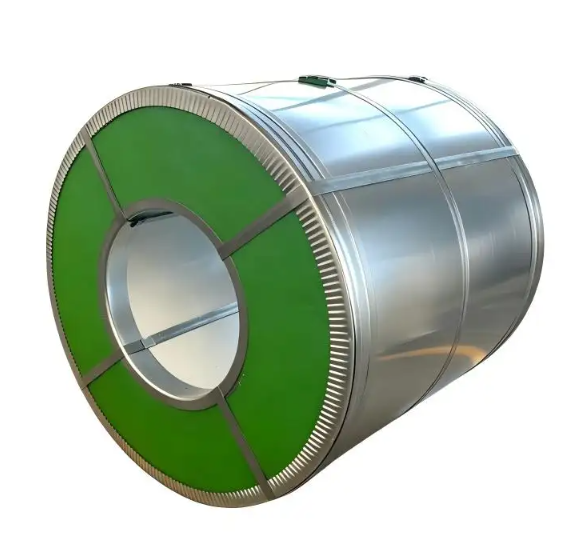
Learn why premium finish galvalume steel coil delivers better paint adhesion and visual consistency in finished building products. Request specs today.
2026/09/10
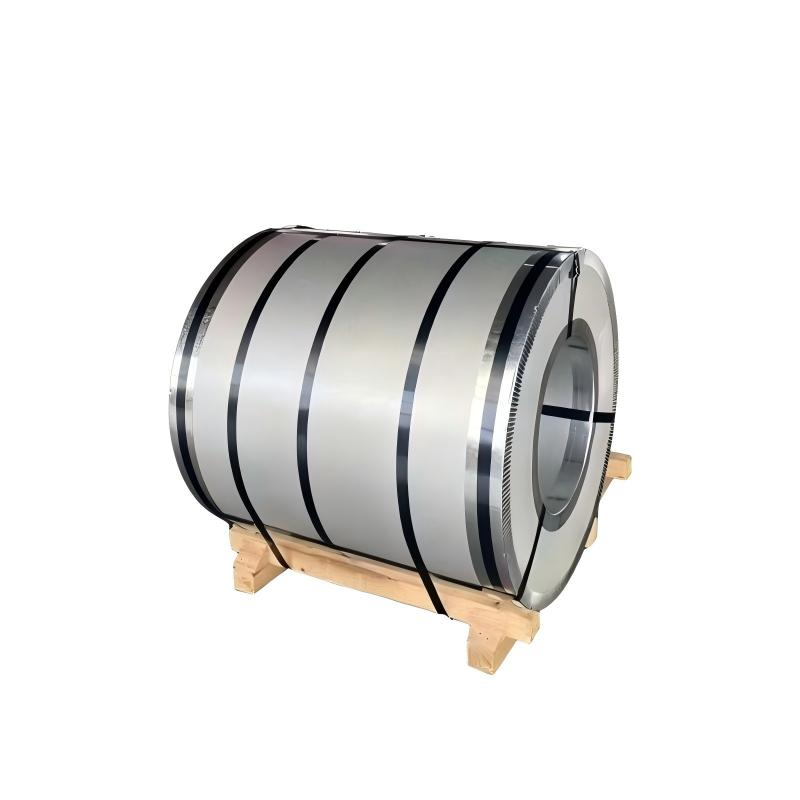
Learn why heavy coating galvalume steel coil provides superior corrosion resistance in harsh coastal settings and saves long-term maintenance costs.
2026/09/10
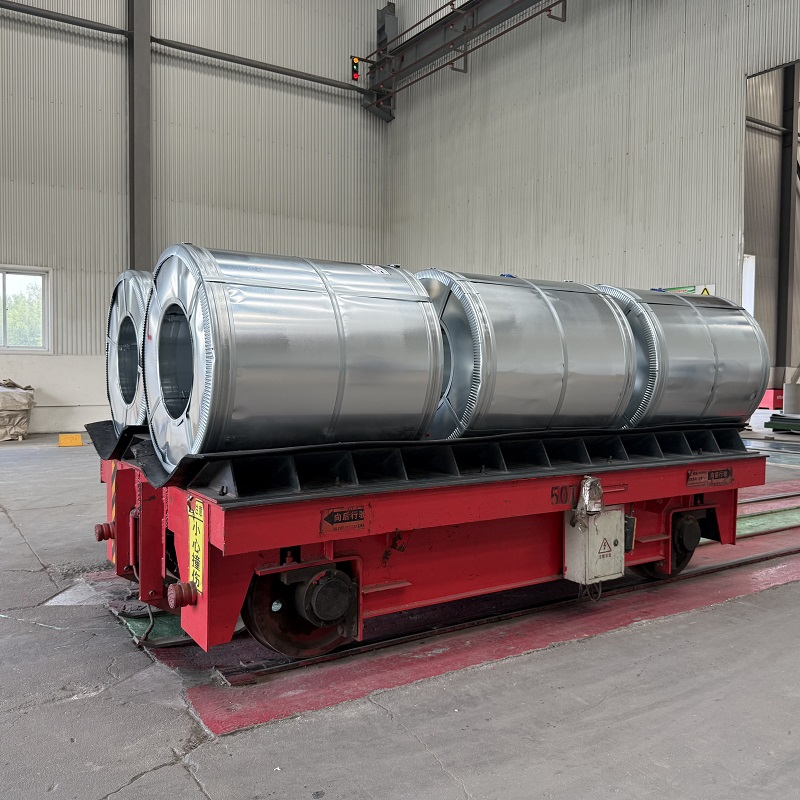
Learn how to test the bending performance of formable galvalume steel coil samples using T-bend testing to prevent cracking and scrap.
2026/09/10
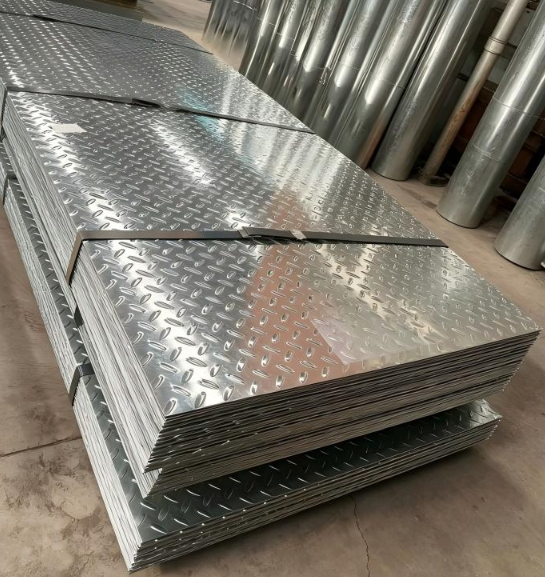
Discover how multi specification galvalume steel coil simplifies purchasing, boosts productivity, and lowers costs for metal fabricators.
2026/09/10
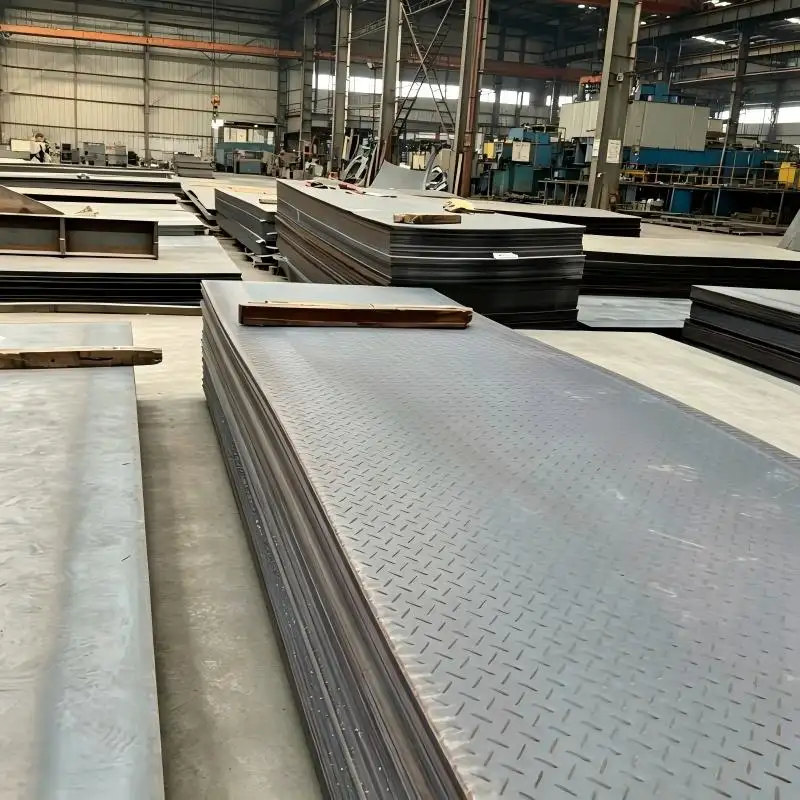
Discover why hot dipped galvanized steel and hot dip galvanized checkered plate offer ideal corrosion resistance and strength for road guardrails.
Covering green transformation, product comparison, selection guide, and industry empowerment, helping you fully grasp the dynamics of the color steel industry.

Global climate action and Belt and Road cooperation are driving the color steel industry’s shift toward green, sustainable development.

Comparing PPGI and PPGL across performance, durability, and applications to help you select the optimal coated steel for your project.
A practical guide to selecting and applying color steel coils, ensuring optimal performance, durability, and cost-effectiveness for your projects.
Industry forum drives digital and green transformation, empowering steel sector development through innovation and collaboration.