EN
EN

How to customize length size of precision cut GI coil finished sheets
2026/09/11
Learn how to specify precision cut GI coil sheets in custom lengths — tolerance selection, coating integrity, and ordering tips.
2026/09/04
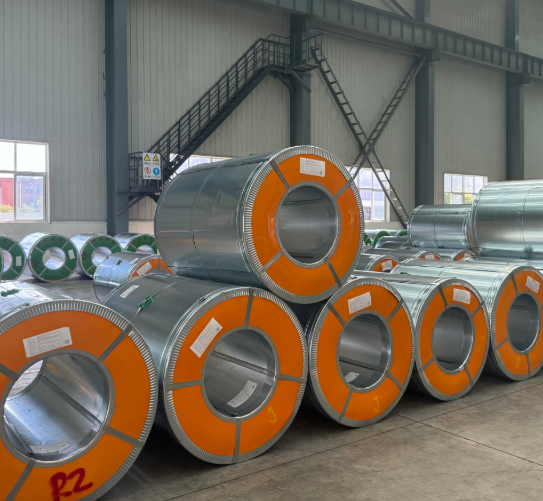
Skipping receiving checks on raw steel shipments can quickly turn into a costly mistake. Consider what happened to a roofing manufacturer in Indonesia back in 2019. A 40-ton shipment of painted material arrived at the warehouse looking flawless. The surface finish looked uniform, the shade was consistent, and the protective wrapping was intact. However, three months later when production began, the paint started cracking and peeling right along the bend lines during profile forming. The paint adhesion fell far below acceptable technical standards, but nobody caught it at the receiving dock.
That single oversight cost the manufacturer $28,000 in scrapped metal, alongside severe delivery delays to key clients. When challenged, the original supplier blamed the issue on the factory's roll-forming equipment. Because the receiving team failed to run a systematic PPGI quality check on arrival, they had zero baseline data to prove the paint arrived under-cured. Running a structured coating integrity inspection upon arrival isn't optional for serious manufacturers—it is the single most important line of defense for protecting raw material investments.
Visual Checks and Dimensional Verification
Before opening chemical testing kits, a thorough visual assessment establishes the baseline condition of the delivery. Unwrap the material under clean, high-intensity lighting. Scan the outer layers carefully for surface scratches, transport dents, paint blisters, pinholes, or unexpected color variations. Pay close attention to edge conditions. Edge burrs or physical impact damage sustained during ocean transit can trigger serious coating delamination once the metal passes through forming rollers.
Next, verify that physical dimensions match the purchase order and mill test certificate. Take precise measurements of the width, total thickness, and overall mass across multiple points on the outer turns. Any noticeable deviation from agreed tolerances should be photographed, logged, and reported immediately to avoid processing non-compliant stock.
Measuring Film Thickness Across the Surface
Coating thickness directly dictates how well a painted panel stands up to weathering, UV exposure, and corrosion over time. Utilizing a digital magnetic film thickness gauge calibrated for ferrous substrates allows inspectors to determine the exact micron buildup applied to the zinc layer.
Measure total dry film thickness across at least 10 distinct points spanning the width.
Repeat thickness measurements at 5-meter intervals along the length during uncoiling.
Verify total topcoat and primer thickness meets standard ranges: 20 to 35 microns for interior panels, and 25 to 40 microns for severe exterior exposure.
Ensure thickness variations across the entire width stay within a strict limit of ±5 microns.
Consistent thickness readings across the sheet prove that the coil passed through a controlled roller-coating line with proper paint leveling and knife settings.
Cross-Hatch Adhesion Testing
Evaluating physical adhesion requires running a cross-hatch tape test (ASTM D3359), which offers a quick, highly reliable field verification method for any color coated coil delivery. Using a precision cross-hatch cutter or a sharp utility blade, scribe a lattice pattern of 11 parallel cuts spaced 2mm apart into the paint, followed by 11 perpendicular cuts directly across the initial lines down to the zinc layer.
Firmly press pressure-sensitive adhesive tape over the cross-hatched grid, smooth out any trapped air bubbles, and rapidly pull the tape back smoothly at a 180-degree angle. Inspect the grid under magnification. If less than 5% of the painted lattice fluffs off, the adhesion earns a top 5B rating. A loss between 5% and 15% drops the rating to 4B. Anything yielding below 4B signals severe curing deficiencies, indicating the paint film will likely flake off when exposed to bending equipment or job-site handling.
Bending and Flexibility Evaluation
Roll forming subjects metal sheets to sharp mechanical bends that put extreme tensile stress on the outer paint layer. The T-bend test measures paint elasticity and cracking resistance during deep deformation. Cut a test coupon measuring roughly 100mm by 100mm from the sample tail, placing it into a metal vise or bending press to fold the metal 180 degrees back onto itself.
The tightest bend achievable without micro-cracking or paint flaking under magnification defines the official T-bend rating.
| T-Bend Rating | Material Characteristics | Typical Application Suitability |
| 0T - 1T | High flexibility, extreme stretch tolerance | Heavy roll forming, deep standing seam, corrugated profiles |
| 2T | Standard commercial grade flexibility | Standard trapezoidal roofing, wall cladding, sandwich panels |
| 3T or higher | Low paint elasticity, prone to cracking | Flat wall panels, simple flashings, rigid unbent sheets |
For optimal results, conduct T-bend testing both at room ambient temperature and after cooling the metal sample to 0°C to verify cold-weather processing flexibility.
Pencil Hardness and Surface Resistance
A paint layer must balance flexibility with tough scratch resistance. The pencil hardness test (ASTM D3363) quantifies scratch resistance by pushing standardized graphite leads ranging from soft (6B) up to extra hard (6H) across the surface at a 45-degree angle under constant downward pressure.
The hardest pencil grade that fails to cut through the organic film down to the primer or zinc substrate determines the rating. Standard polyester chemistries on a color coated coil typically register between F and H hardness. Advanced PVDF or HDP coatings generally land around HB to F. If a shipment yields hardness values well below specified standards, the paint was likely under-baked in the curing oven, leaving the metal highly vulnerable to transit scuffing and field scratching.
Gloss Levels and Color Variance
Finish uniformity is critical when panels are installed side by side on large commercial buildings. Use a digital gloss meter calibrated to a 60-degree angle to verify reflection levels against order specs. Standard commercial tolerances require gloss levels to remain within ±5 units across the entire order.
For exact shade verification, spectrophotometers measure color variables to calculate total color difference ($\Delta E$). A $\Delta E$ value under 1.0 indicates an exceptional shade match, while readings under 2.0 remain acceptable for general industrial roofing projects. Catching shade deviations early prevents mismatched panels on the job site.
Documenting Results and Resolving Claims
Consistently logging every coating integrity inspection with clear photographs, digital thickness readings, and written lab sheets creates an unassailable record. If testing reveals out-of-spec thickness, poor adhesion, or improper curing, notify the supplier immediately before processing the metal.
Leading global suppliers of colour coated steel coils, such as Shenyang Yuanhe Steel, enforce these exact testing protocols across every production batch prior to export packaging. Providing full mill test certifications and factory inspection logs alongside every order minimizes receiving friction and ensures delivered material fully satisfies physical performance standards.
Protecting Production with Incoming Quality Controls
Establishing a routine receiving protocol for incoming colour coated steel coils provides essential protection against costly manufacturing downtime and material scrap. Taking the time to execute a systematic PPGI quality check—covering visual appeal, film thickness, cross-hatch adhesion, T-bend elasticity, pencil hardness, and gloss uniformity—guarantees that only high-performing material enters the production line. Building these simple testing routines into standard receiving procedures keeps production running smoothly and safeguards business margins over the long haul.
2026/09/11
Learn how to specify precision cut GI coil sheets in custom lengths — tolerance selection, coating integrity, and ordering tips.
2026/09/11
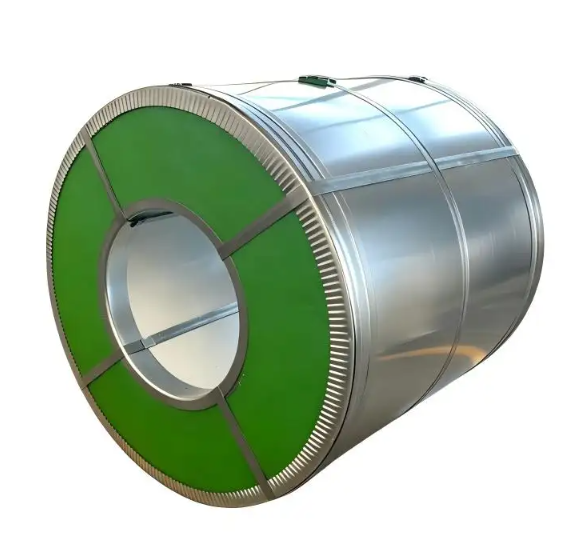
Learn why premium finish galvalume steel coil delivers better paint adhesion and visual consistency in finished building products. Request specs today.
2026/09/10
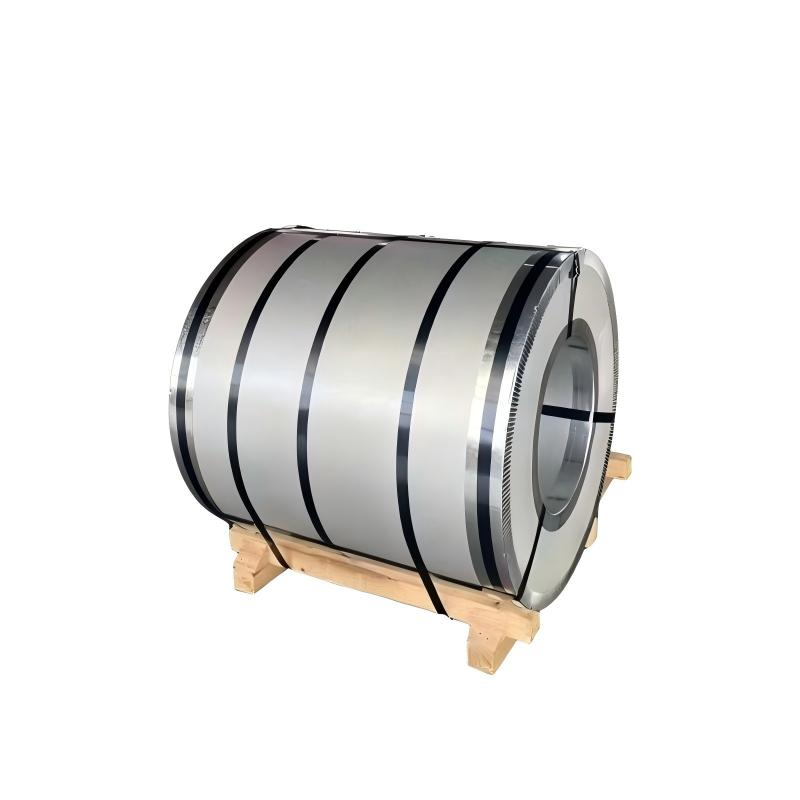
Learn why heavy coating galvalume steel coil provides superior corrosion resistance in harsh coastal settings and saves long-term maintenance costs.
2026/09/10
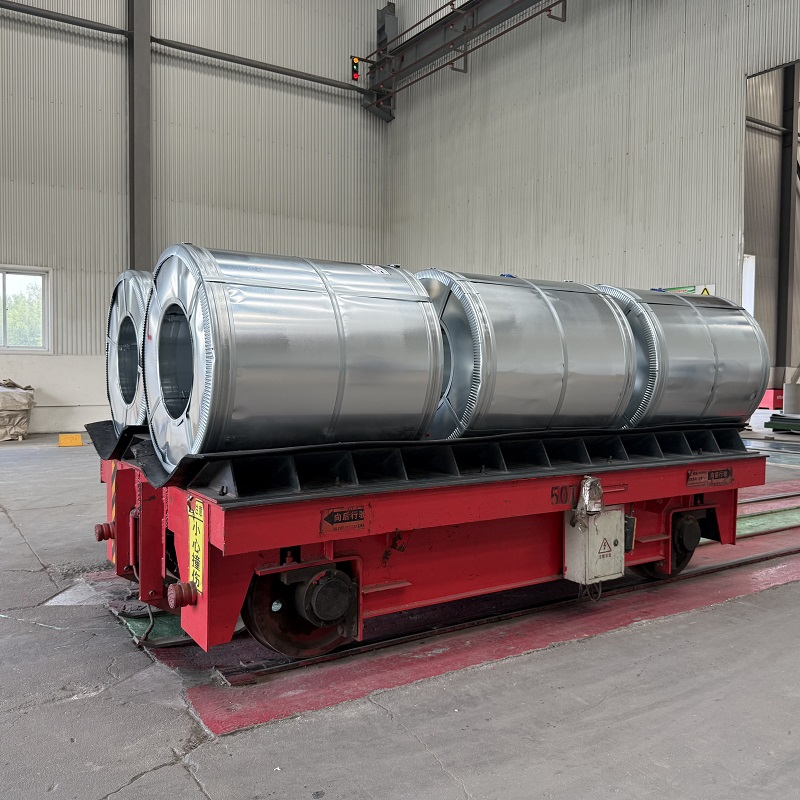
Learn how to test the bending performance of formable galvalume steel coil samples using T-bend testing to prevent cracking and scrap.
2026/09/10
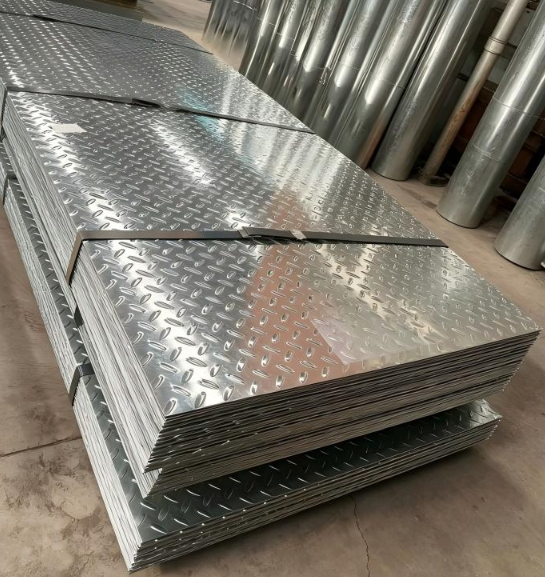
Discover how multi specification galvalume steel coil simplifies purchasing, boosts productivity, and lowers costs for metal fabricators.
2026/09/10
Discover why hot dipped galvanized steel and hot dip galvanized checkered plate offer ideal corrosion resistance and strength for road guardrails.
Covering green transformation, product comparison, selection guide, and industry empowerment, helping you fully grasp the dynamics of the color steel industry.

Global climate action and Belt and Road cooperation are driving the color steel industry’s shift toward green, sustainable development.

Comparing PPGI and PPGL across performance, durability, and applications to help you select the optimal coated steel for your project.
A practical guide to selecting and applying color steel coils, ensuring optimal performance, durability, and cost-effectiveness for your projects.
Industry forum drives digital and green transformation, empowering steel sector development through innovation and collaboration.