EN
EN

How to customize length size of precision cut GI coil finished sheets
2026/09/11
Learn how to specify precision cut GI coil sheets in custom lengths — tolerance selection, coating integrity, and ordering tips.
2026/08/10
Zinc coating weight stands out as the single most vital specification for any GI coil destined for outdoor environments. During manufacturing, a molten zinc layer is applied to the steel base via hot-dip galvanizing, creating a sacrificial barrier that shields the underlying metal from rust. This zinc coating weight—measured in grams per square meter across both sides—directly dictates how long the GI coil will withstand harsh weather. While indoor grades require lower levels, a specialized heavy zinc coating gi coil often features ranges from 275 to 600 $g/m^2$ to provide robust exterior protection.
Grasping how zinc coating weight influences overall service life allows procurement teams to make smarter, data-backed purchasing choices. For example, a heavy zinc coating gi coil boasting a 350 $g/m^2$ metric can easily deliver up to 30 years of rust-free performance in moderate outdoor settings. Conversely, thinner options may deteriorate much faster under identical conditions, highlighting why precise calculations matter for every anti-corrosion GI coil deployment.
The exact zinc coating weight needed for outdoor projects depends heavily on four main atmospheric conditions: corrosivity category, distance to saltwater, local humidity, and sulfur dioxide levels. According to ISO 9223 standards, environments range from C1 to CX. While urban inland areas with C3 ratings manage well with moderate levels, coastal or heavy industrial C4 zones demand a robust heavy zinc coating gi coil featuring 350 to 450 $g/m^2$ to ensure dependable longevity for any outdoor galvanized steel application.
Proximity to the ocean plays a massive role in corrosion acceleration. Salt spray within 500 meters of a coastline can multiply zinc consumption rates significantly, making an anti-corrosion GI coil with elevated coating levels an absolute necessity. High humidity environments also speed up layer depletion, reinforcing the need to specify the correct zinc coating weight right from the start.
Determining the ideal zinc coating weight follows a straightforward yet rigorous engineering process. First, identify the atmospheric corrosivity category using standard temperature and humidity data. Second, establish your target service life—often 15, 25, or 50 years. Finally, apply standard consumption rate formulas factoring in environmental multipliers and safety margins to pinpoint the exact heavy zinc coating gi coil specifications required.
For instance, a C4 marine location targeting a 25-year lifespan requires careful math to factor in annual zinc loss. Adding a safety margin ensures the selected anti-corrosion GI coil maintains full sacrificial defense without premature degradation. Specifiers should always demand minimum coating thresholds rather than nominal averages to guarantee that the delivered outdoor galvanized steel handles real-world weathering smoothly.
| Environment Type | ISO Category | Min. Coating Weight (g/m2) | Expected Life (Years) | Material Classification |
| Indoor / Dry | C1-C2 | 120 - 180 | 50+ | Standard GI coil |
| Urban Inland | C3 | 180 - 275 | 25 - 35 | Standard GI coil |
| Coastal / Industrial | C4 | 350 - 450 | 20 - 30 | Heavy zinc coating gi coil |
| Marine / Splash Zone | C5 | 450 - 600 | 15 - 25 | Heavy zinc coating gi coil |
| Extreme Marine | CX | 600+ | 10 - 15 | Heavy zinc coating gi coil |
A major logistics enterprise building a massive warehouse facility near a tropical coastline originally planned to use standard material for roofing and wall cladding. Initial cost optimization pointed toward a basic GI coil specification with lower protective layers. However, a detailed environmental review proved that such a choice would lead to rust penetration within a decade, driving up expensive maintenance overhead.
Switching gears, the project engineering team opted for a premium heavy zinc coating gi coil with a 450 $g/m^2$ metric. Although upfront material expenses rose slightly, the projected service life jumped from 10 years to nearly 30 years, drastically lowering total lifecycle costs for the outdoor galvanized steel structure. This scenario highlights how prioritizing proper zinc coating weight safeguards structural investments against aggressive coastal elements.
Once an anti-corrosion GI coil is ordered, verifying its actual zinc coating weight through standardized testing is crucial. Techniques like the ASTM A90 gravimetric stripping test provide exact measurements, while non-destructive magnetic gauges allow rapid field checks across the entire GI coil width. Buyers should always request certified test reports confirming that every batch of heavy zinc coating gi coil meets strict uniformity standards.
When sourcing high-performance outdoor galvanized steel, partnering with reputable producers is essential. Shenyang Yuanhe operates advanced production facilities backed by rigorous multi-tier quality control systems, ensuring every manufactured GI coil precisely matches custom zinc coating weight requirements. Their robust manufacturing infrastructure and reliable supply chain capabilities make them an ideal partner for demanding global construction and industrial projects.
For standard outdoor ISO C3 environments, the recommended minimum zinc coating weight is 180 $g/m^2$. For coastal or industrial C4 and C5 zones, utilizing a specialized heavy zinc coating gi coil with 350 to 450 $g/m^2$ or higher is critical to ensure long-term durability for any outdoor galvanized steel project.
While a heavy zinc coating gi coil carries a slightly higher initial price tag than standard alternatives, its extended lifespan significantly reduces maintenance and replacement expenses. Over a structure's lifecycle, an effective anti-corrosion GI coil often delivers substantially lower total ownership costs.
No, the zinc coating weight is strictly determined during the hot-dip galvanizing stage and cannot be modified post-production. Securing the correct specification during the initial GI coil procurement phase is vital for successful project execution.
2026/09/11
Learn how to specify precision cut GI coil sheets in custom lengths — tolerance selection, coating integrity, and ordering tips.
2026/09/11
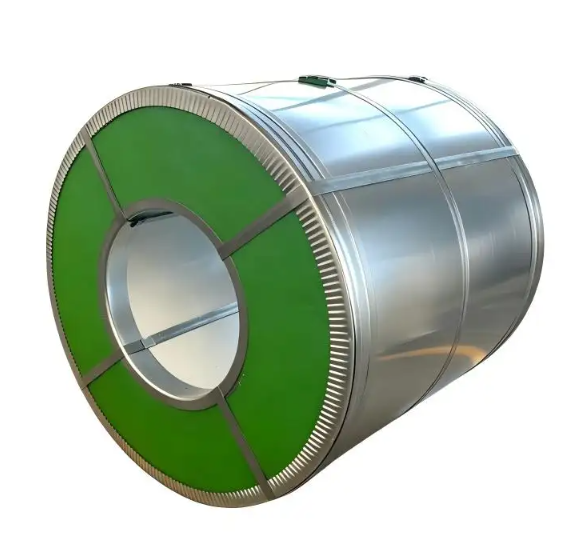
Learn why premium finish galvalume steel coil delivers better paint adhesion and visual consistency in finished building products. Request specs today.
2026/09/10
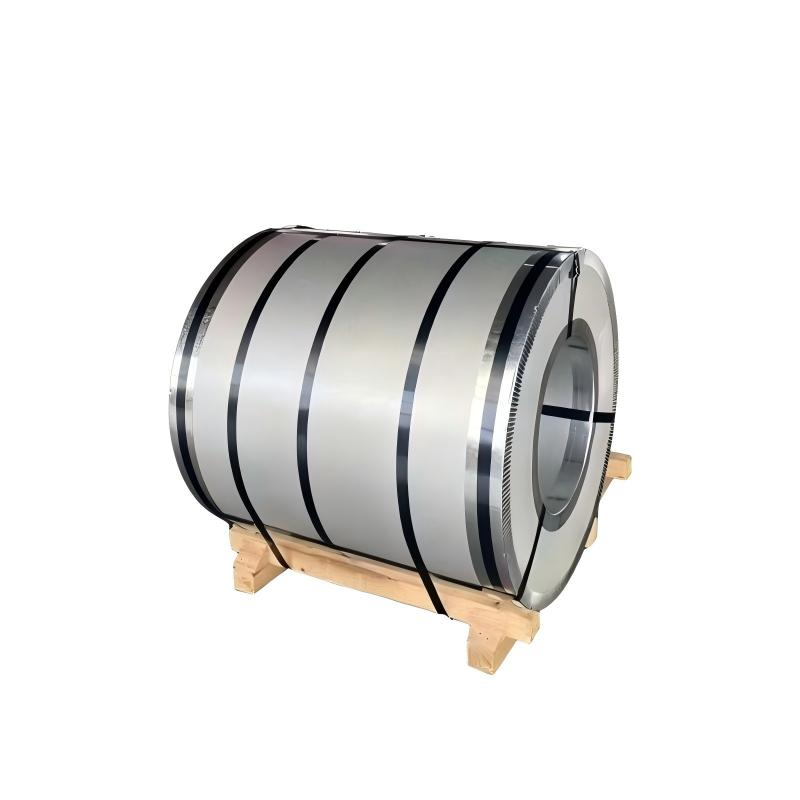
Learn why heavy coating galvalume steel coil provides superior corrosion resistance in harsh coastal settings and saves long-term maintenance costs.
2026/09/10
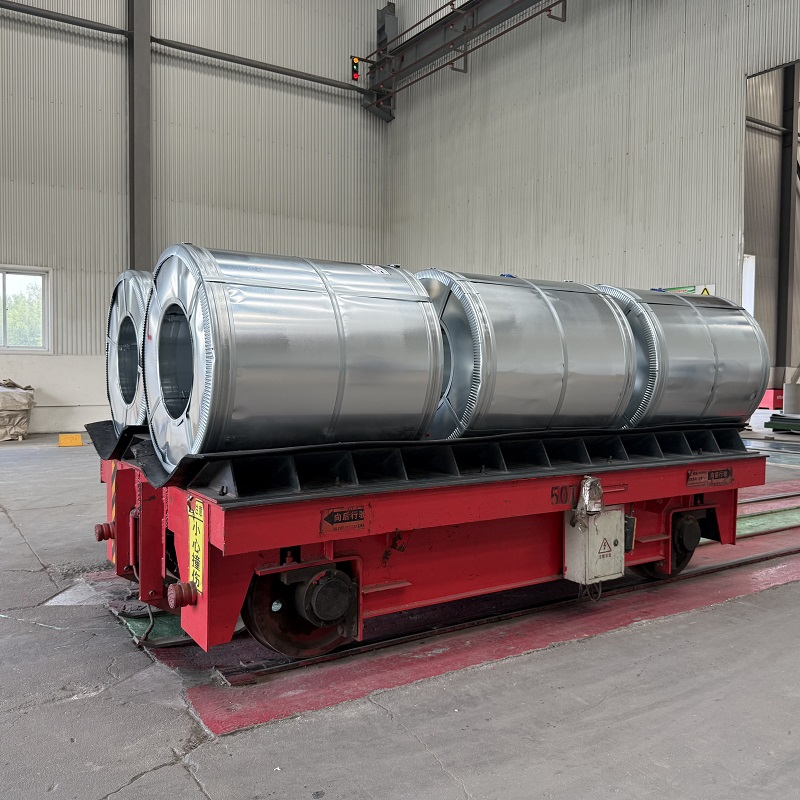
Learn how to test the bending performance of formable galvalume steel coil samples using T-bend testing to prevent cracking and scrap.
2026/09/10
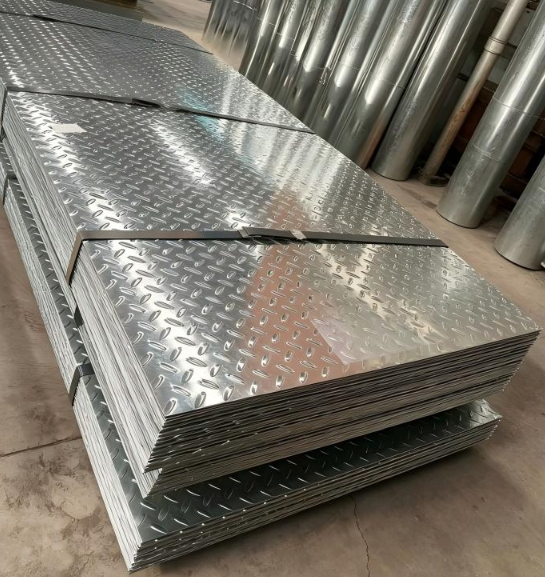
Discover how multi specification galvalume steel coil simplifies purchasing, boosts productivity, and lowers costs for metal fabricators.
2026/09/10
Discover why hot dipped galvanized steel and hot dip galvanized checkered plate offer ideal corrosion resistance and strength for road guardrails.
Covering green transformation, product comparison, selection guide, and industry empowerment, helping you fully grasp the dynamics of the color steel industry.

Global climate action and Belt and Road cooperation are driving the color steel industry’s shift toward green, sustainable development.

Comparing PPGI and PPGL across performance, durability, and applications to help you select the optimal coated steel for your project.
A practical guide to selecting and applying color steel coils, ensuring optimal performance, durability, and cost-effectiveness for your projects.
Industry forum drives digital and green transformation, empowering steel sector development through innovation and collaboration.