EN
EN

How to customize length size of precision cut GI coil finished sheets
2026/09/11
Learn how to specify precision cut GI coil sheets in custom lengths — tolerance selection, coating integrity, and ordering tips.
2026/08/31
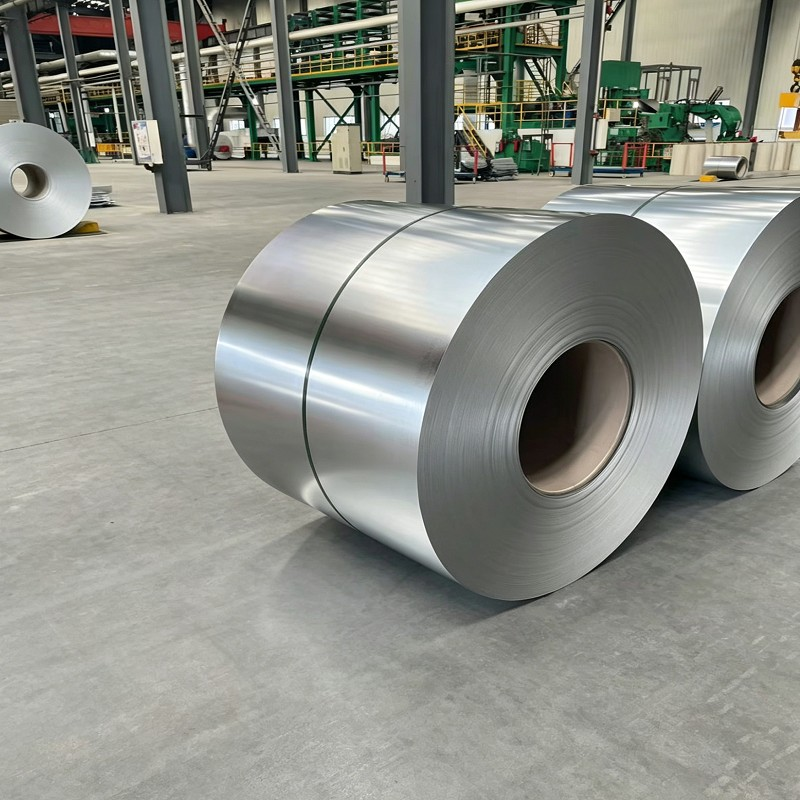
For procurement professionals, structural engineers, and metal fabricators working with galvalume steel coil products, knowing how to verify coating density is a core quality requirement. Getting the right coating mass directly impacts long-term corrosion resistance, mechanical formability, and overall project costs. Unlike standard galvanized sheets that use a pure zinc layer, galvalume steel coil uses a specialized ternary alloy structure. Calculating the exact mass requires a specific testing approach to ensure the material matches engineering standards.
Understanding every step of a galvalume coating calculation protects project budgets and ensures long-term outdoor performance. Knowing how to convert laboratory test values into real-world specifications gives sourcing teams total control over their supply chain.
The coating weight on a galvalume steel coil represents the total mass of the protective aluminum-zinc-silicon alloy applied across both sides of the sheet. The industry benchmark standard for this material is ASTM A792/A792M, which governs 55% aluminum-zinc alloy-coated steel sheets.
Coating mass is designated by "AZ" values, where the number indicates the minimum triple-spot average mass in grams per square meter (g/m²) across both surfaces:
AZ50: Minimum total mass of 50 g/m² across both sides.
AZ70: Minimum total mass of 70 g/m² across both sides.
AZ100: Minimum total mass of 100 g/m² across both sides.
AZ150: Minimum total mass of 150 g/m² across both sides.
AZ200: Minimum total mass of 200 g/m² across both sides.
When ordering a custom galvalume steel coil for standard roofing or side cladding, AZ100 to AZ150 are the standard requirements. For severe marine environments or heavy industrial zones, specifying AZ200 or higher provides the necessary long-term protection.
Determining the exact zinc aluminum alloy coating weight relies on gravimetric wet-chemical analysis performed according to ASTM A792 standards. This test strips the alloy layer from a known surface area to measure the exact mass difference.
Here is how a standard laboratory galvalume coating calculation works:
Sample Preparation: Cut a clean test specimen of known dimensions from the sheet. A standard sample size measures 50 mm x 100 mm, giving a total surface area (A) of 0.005 m² per side (0.010 m² combined top and bottom).
Initial Mass Measurement: Weigh the unstripped sample on an analytical balance to determine the initial mass (W1) in grams.
Chemical Stripping: Submerge the sample in a diluted hydrochloric acid bath containing hexamethylenetetramine as a corrosion inhibitor. This solution dissolves the alloy layer without attacking the base steel sheet.
Final Mass Measurement: Rinse, dry, and re-weigh the stripped steel core to record the final mass (W2) in grams.
Applying the Formula: Use the mathematical mass differential to calculate total coating mass:
Total Coating Weight (g/m²) = (W1 - W2) / A
For a standard 0.005 m² coupon (combining both sides to 0.010 m²), the calculation simplifies to:
Total Coating Weight (g/m²) = (W1 - W2) x 200
To measure a single side, mask one face with acid-resistant tape before stripping the exposed side.
During production, air-knife positioning, line speed changes, and zinc bath temperatures create natural variations across the sheet. Verifying a custom galvalume steel coil batch requires taking three separate test coupons across the width of the sheet: one from the drive side, one from the center, and one from the operator side.
| Sampling Position | Sample Area (m²) | Initial Mass W1 (g) | Stripped Mass W2 (g) | Calculated Mass (g/m²) | Compliance Status |
|---|---|---|---|---|---|
| Drive Side Coupon | 0.005 | 19.825 | 19.040 | 157.0 | Pass (above AZ150) |
| Center Coupon | 0.005 | 19.910 | 19.100 | 162.0 | Pass (above AZ150) |
| Operator Side Coupon | 0.005 | 19.780 | 19.040 | 148.0 | Single Spot Margin |
| Triple-Spot Average | 0.005 | -- | -- | 155.7 | AZ150 Certified |
The triple-spot average of 155.7 g/m² meets the minimum AZ150 requirement. Regular sampling across every custom galvalume steel coil order prevents out-of-spec material from reaching project sites.
The zinc aluminum alloy coating weight directly determines how long a steel panel resists atmospheric breakdown. The 55% Al - 43.5% Zn - 1.5% Si composition creates a dual-phase structure where microscopic zinc-rich regions provide sacrificial protection, while aluminum-rich dendrites form a long-lasting physical barrier.
| AZ Coating Designation | Minimum Total Mass (g/m²) | Expected Lifespan (Rural Environments) | Expected Lifespan (Coastal Environments) |
|---|---|---|---|
| AZ50 | 50 | 5–8 Years | 2–3 Years |
| AZ100 | 100 | 10–15 Years | 5–8 Years |
| AZ150 | 150 | 15–20 Years | 8–12 Years |
| AZ200 | 200 | 20–25 Years | 12–18 Years |
Because aluminum forms a self-healing oxide film, a galvalume steel coil outperforms standard Z275 galvanized sheet in most atmospheric environments even at lower total mass thicknesses. However, exposed edges and drilled screw holes rely primarily on zinc sacrificial action, making edge sealers or factory paint systems valuable for high-humidity installations.
Sourcing errors occur when order details do not match the target fabrication process:
Ignoring Fabrication Stresses: Specifying an excessively heavy coating (like AZ200+) on a custom galvalume steel coil intended for deep drawing can cause micro-cracking along tight bend radii. When severe forming is needed, using an AZ100 base sheet with an exterior paint layer is often the smarter design choice.
Confusing Total Mass with Single-Side Mass: Always verify whether a specification calls for total double-side coating mass or single-side mass. Asian markets calculate specifications as combined double-side mass, whereas some European and North American buyers specify single-side values.
Misinterpreting Conversion Formulas: Remember that pure zinc conversion factors do not apply to ternary alloy calculations due to density differences (7.14 g/cm³ for pure zinc vs 3.75 g/cm³ for 55% Al-Zn alloy). Always use proper ASTM gravimetric equations for every galvalume coating calculation.
Delivering reliable galvalume steel coil materials requires tight control over raw steel quality, precise line speeds, and continuous laboratory testing. Every construction project has unique demands, and choosing the right zinc aluminum alloy coating weight guarantees long-term durability and structural safety.
Shenyang Yuanhe Steel maintains over 10,000 tons of stock and operates advanced coil processing workshops. Every custom galvalume steel coil shipped by Shenyang Yuanhe Steel includes full laboratory test certificates, verified galvalume coating calculation reports, and optional third-party inspection options. Sourcing teams and engineering firms worldwide rely on Shenyang Yuanhe Steel for consistent product quality, full material traceability, and dependable global shipping support.
2026/09/11
Learn how to specify precision cut GI coil sheets in custom lengths — tolerance selection, coating integrity, and ordering tips.
2026/09/11
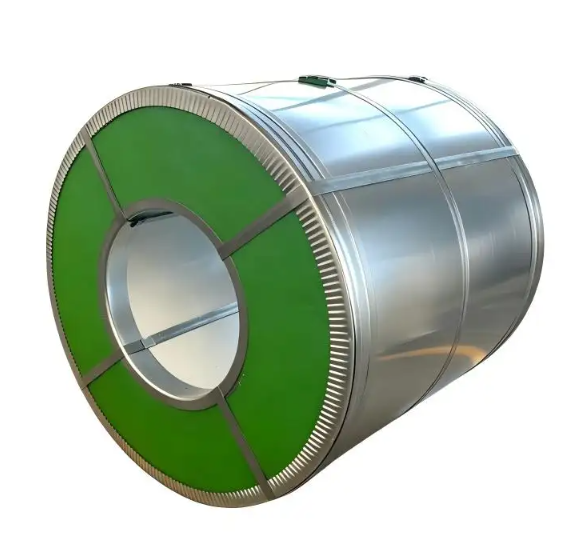
Learn why premium finish galvalume steel coil delivers better paint adhesion and visual consistency in finished building products. Request specs today.
2026/09/10
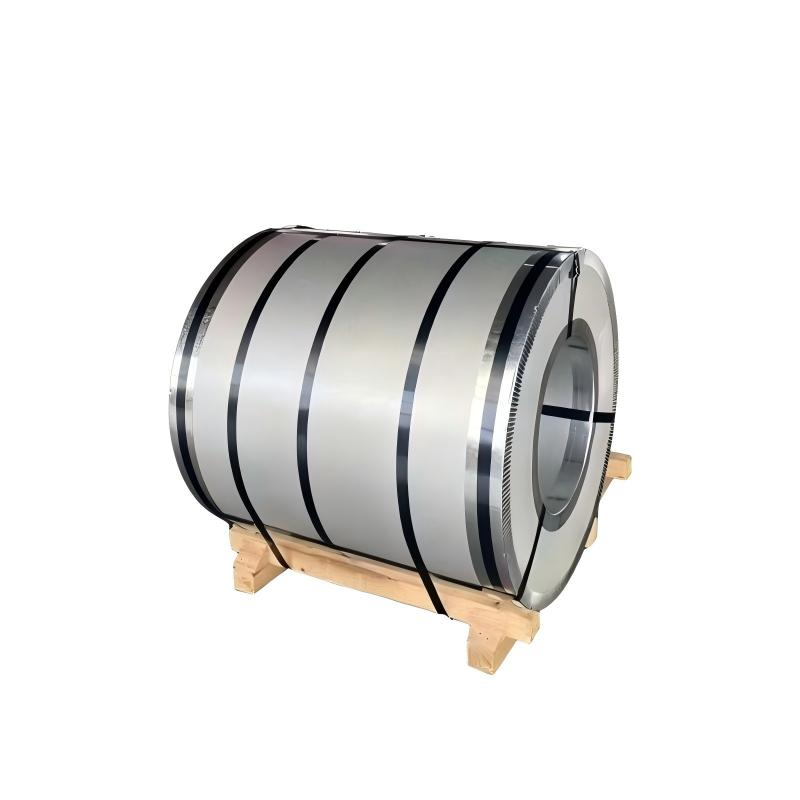
Learn why heavy coating galvalume steel coil provides superior corrosion resistance in harsh coastal settings and saves long-term maintenance costs.
2026/09/10
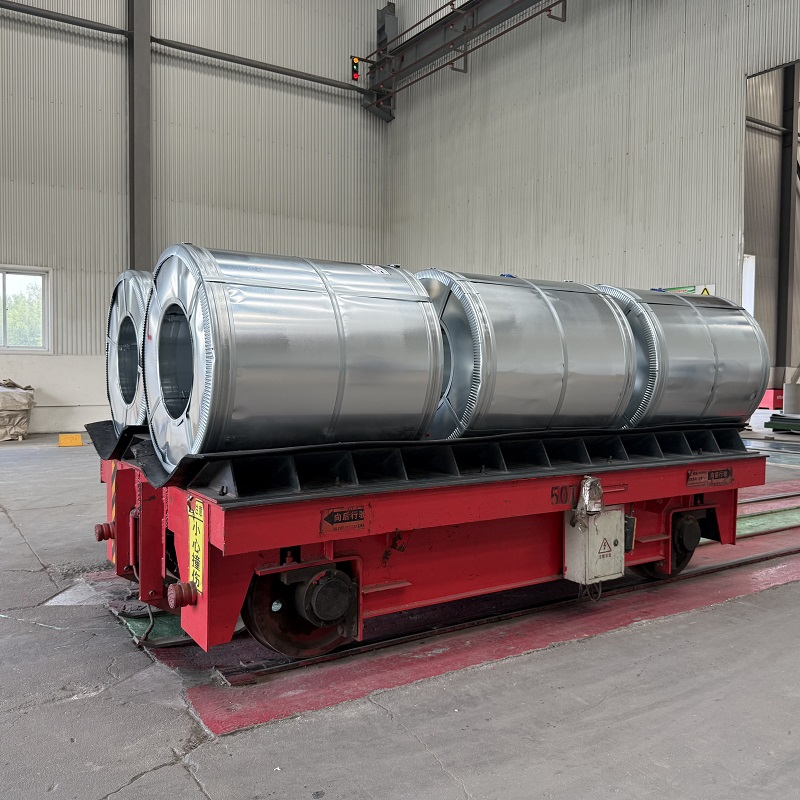
Learn how to test the bending performance of formable galvalume steel coil samples using T-bend testing to prevent cracking and scrap.
2026/09/10
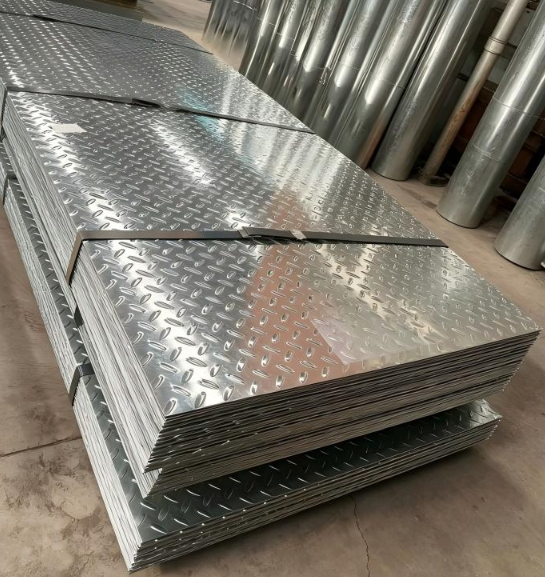
Discover how multi specification galvalume steel coil simplifies purchasing, boosts productivity, and lowers costs for metal fabricators.
2026/09/10
Discover why hot dipped galvanized steel and hot dip galvanized checkered plate offer ideal corrosion resistance and strength for road guardrails.
Covering green transformation, product comparison, selection guide, and industry empowerment, helping you fully grasp the dynamics of the color steel industry.

Global climate action and Belt and Road cooperation are driving the color steel industry’s shift toward green, sustainable development.

Comparing PPGI and PPGL across performance, durability, and applications to help you select the optimal coated steel for your project.
A practical guide to selecting and applying color steel coils, ensuring optimal performance, durability, and cost-effectiveness for your projects.
Industry forum drives digital and green transformation, empowering steel sector development through innovation and collaboration.