EN
EN

How to customize length size of precision cut GI coil finished sheets
2026/09/11
Learn how to specify precision cut GI coil sheets in custom lengths — tolerance selection, coating integrity, and ordering tips.
2026/07/18
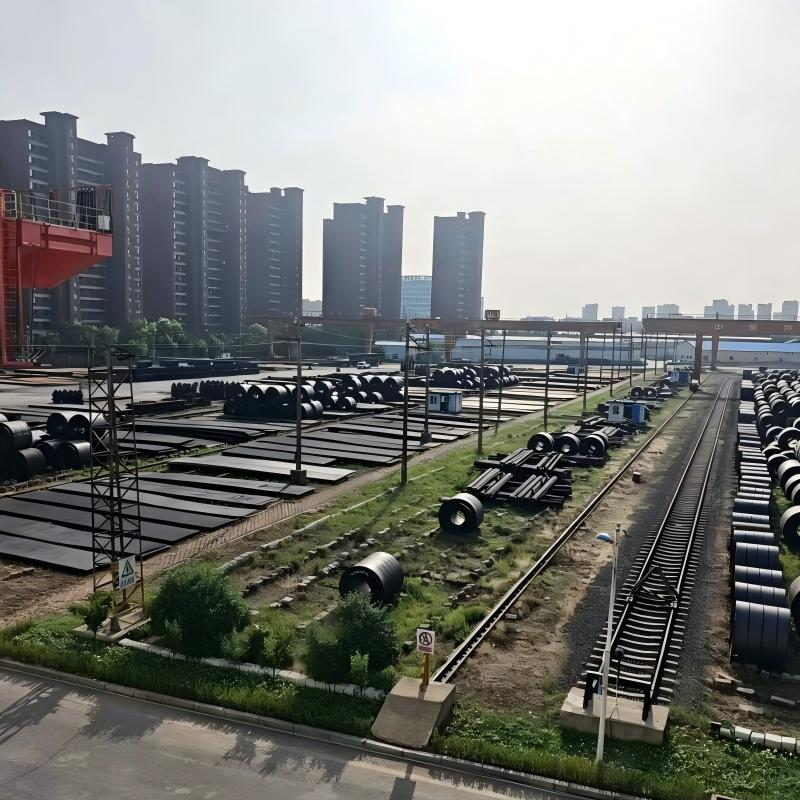
The transportation cost of jumbo hot rolled steel coil cargo begins with understanding the physical characteristics of the material being shipped. A standard jumbo hot rolled coil can weigh between 20 and 30 metric tons, with outer diameters of 1,800 to 2,100 millimeters, inner diameters of 508 or 610 millimeters, and widths of 1,000 to 2,000 millimeters. These dimensions directly determine the loading method for hot rolled steel coil cargo, equipment requirements, and freight calculation basis. Hot rolled steel coil is typically shipped as break-bulk cargo in the hold of a general cargo vessel or as containerized cargo in 20-foot or 40-foot containers, depending on the coil dimensions and destination port facilities. The density of steel, approximately 7.85 metric tons per cubic meter, means that hot rolled coil cargo reaches vessel weight capacity well before volume capacity, making weight the primary cost driver in freight calculations for hot rolled steel coil. For buyers planning bulk hot rolled coil procurement, accurately calculating the transportation cost requires breaking down the total cost into ocean freight, port handling, loading and lashing, insurance, customs duties, and inland transportation components.
Ocean freight for hot rolled steel coil cargo is calculated using one of several methods depending on the shipping line, trade route, and cargo characteristics. The most common method is weight-based pricing, where the freight rate is quoted per metric ton, typically ranging from $25 to $65 per ton for major trade routes such as China to Southeast Asia, China to the Middle East, or China to South America. For break-bulk shipments, the freight may also be calculated on a revenue ton basis, which takes the higher of weight or volume measurement. A jumbo hot rolled coil weighing 28 metric tons with dimensions of 2,000mm outer diameter and 1,500mm width would be charged on weight, as 28 revenue tons exceeds the volume-based calculation. For containerized shipments, freight is quoted per container, with a 20-foot container typically holding one jumbo coil of up to 28 tons and a 40-foot container holding two to three smaller coils. The container rate for a 20-foot unit on major routes ranges from $800 to $2,500, making the per-ton freight cost $29 to $89 depending on utilization. Seasonal fluctuations, vessel availability, and bunker fuel surcharges can cause freight rates to vary by 20 to 40 percent within a single year.
The choice between container and break-bulk shipping for hot rolled steel coil cargo involves trade-offs between cost, handling complexity, and destination port capabilities. Container shipping offers several advantages including simplified documentation, reduced handling damage, door-to-door delivery capability, and compatibility with ports that lack specialized break-bulk handling equipment. However, containers have weight limitations, with a standard 20-foot container typically rated for 28 to 30 metric tons maximum payload, which may require coil splitting or trimming for heavier jumbo coils. Break-bulk shipping is more cost-effective for large-volume orders exceeding 500 metric tons, as the per-ton freight rate is typically 15 to 25 percent lower than container shipping. Break-bulk also accommodates coils of any weight and dimension without splitting, and allows mixed cargo loading with other steel products. For a 500-ton hot rolled coil order, break-bulk shipping might cost $14,000 to $22,500, while container shipping would require 17 to 20 containers at a cost of $17,000 to $30,000. The destination port must have break-bulk handling capability including shore cranes with sufficient lifting capacity, which is not available at all ports in developing markets.
Loading and lashing costs are often underestimated components of the total transportation cost for hot rolled steel coil cargo. For break-bulk shipments, loading involves crane lifting from the dock or warehouse to the vessel hold, with costs typically calculated per ton or per coil. Standard loading rates range from $8 to $15 per ton, including crane operation, stevedore labor, and hatch supervision. Lashing, which secures the coils to prevent shifting during transit, involves steel wire rope, turnbuckles, timber dunnage, and skilled labor, adding $3 to $8 per ton. For container shipments, loading requires a coil well or cradle fabricated to match the coil dimensions, with loading costs of $50 to $120 per container including crane operation and securing materials. The coil must be positioned with its axis perpendicular to the container length to distribute weight evenly, and timber blocking and steel banding must be applied to prevent movement. Port handling charges at both origin and destination ports, including terminal handling charges, documentation fees, and customs brokerage, typically add $15 to $35 per ton to the total transportation cost.
Beyond physical transportation, several administrative and regulatory costs must be included in the total landed cost calculation for hot rolled steel coil cargo. Marine cargo insurance, which covers loss or damage during ocean transit, typically costs 0.15 to 0.35 percent of the cargo value, translating to $60 to $140 per ton for hot rolled coil valued at $600 per ton. Customs import duties vary widely by destination country and product classification, with most countries applying duties of 5 to 20 percent on steel coil imports under HS code 7208. Some countries impose additional anti-dumping duties or safeguard tariffs on steel products that can add 10 to 25 percent to the landed cost. Documentation fees including bills of lading, certificates of origin, commercial invoice legalization, and phytosanitary certificates for wooden packaging typically total $200 to $600 per shipment. For buyers in landlocked countries, inland transportation from the discharge port to the final destination adds $15 to $45 per ton depending on distance and road conditions, and may require trans-loading from ocean transport to rail or truck at the port.
Consider a practical scenario where a construction company in the Middle East imports 500 metric tons of hot rolled steel coil from China, with coils averaging 25 tons each, requiring 20 coils total. The material cost is $620 per ton, totaling $310,000. Ocean freight via break-bulk is $35 per ton, totaling $17,500. Origin port loading and lashing costs $10 per ton, totaling $5,000. Marine insurance at 0.25 percent of cargo value costs $775. Destination port handling charges are $20 per ton, totaling $10,000. Customs duty at 10 percent of CIF value adds $33,830. Documentation and customs brokerage fees total $450. Inland transportation to the project site costs $25 per ton, totaling $12,500. The total landed cost sums to $389,555, or $779 per ton, representing a 25.7 percent increase over the base material cost. This calculation demonstrates that transportation and associated costs represent a significant portion of the total procurement cost for hot rolled coil, and buyers should factor these costs into supplier comparisons and project budgets. Suppliers with established logistics partnerships, efficient port operations, and experience with international shipping documentation can help buyers optimize transportation costs and reduce the risk of delays or unexpected charges during the import process.
What is the maximum coil weight that can be shipped in a standard container?
A standard 20-foot container can typically accommodate a single hot rolled coil weighing up to 28 to 30 metric tons, depending on the container's maximum payload rating and the shipping line's weight restrictions. The coil must be loaded in a purpose-built coil well or cradle and properly secured to prevent movement during transit.
How are ocean freight rates for steel coil cargo quoted?
Ocean freight rates for hot rolled steel coil are typically quoted per metric ton for break-bulk cargo or per container for containerized cargo. Rates vary by trade route, season, vessel availability, and bunker fuel prices. Buyers should request quotes from multiple shipping lines and freight forwarders to compare rates and transit times.
What additional costs should I budget for beyond the basic ocean freight?
Beyond ocean freight, buyers should budget for origin loading and lashing at $8 to $15 per ton, marine insurance at 0.15 to 0.35 percent of cargo value, destination port handling at $15 to $35 per ton, customs duties at 5 to 20 percent of CIF value, documentation fees at $200 to $600, and inland transportation at $15 to $45 per ton depending on distance from the port.
2026/09/11
Learn how to specify precision cut GI coil sheets in custom lengths — tolerance selection, coating integrity, and ordering tips.
2026/09/11
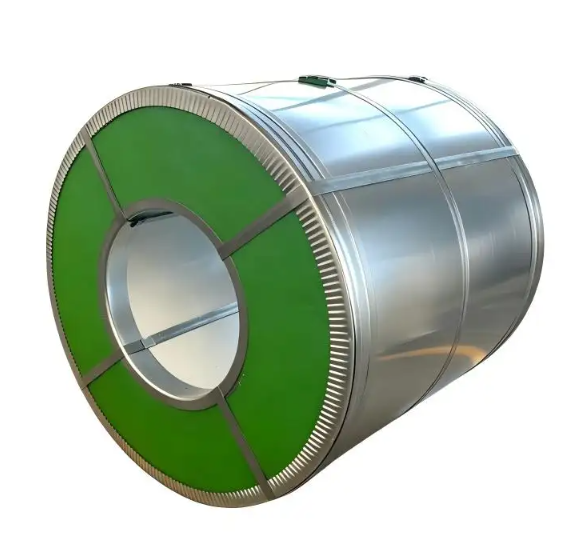
Learn why premium finish galvalume steel coil delivers better paint adhesion and visual consistency in finished building products. Request specs today.
2026/09/10
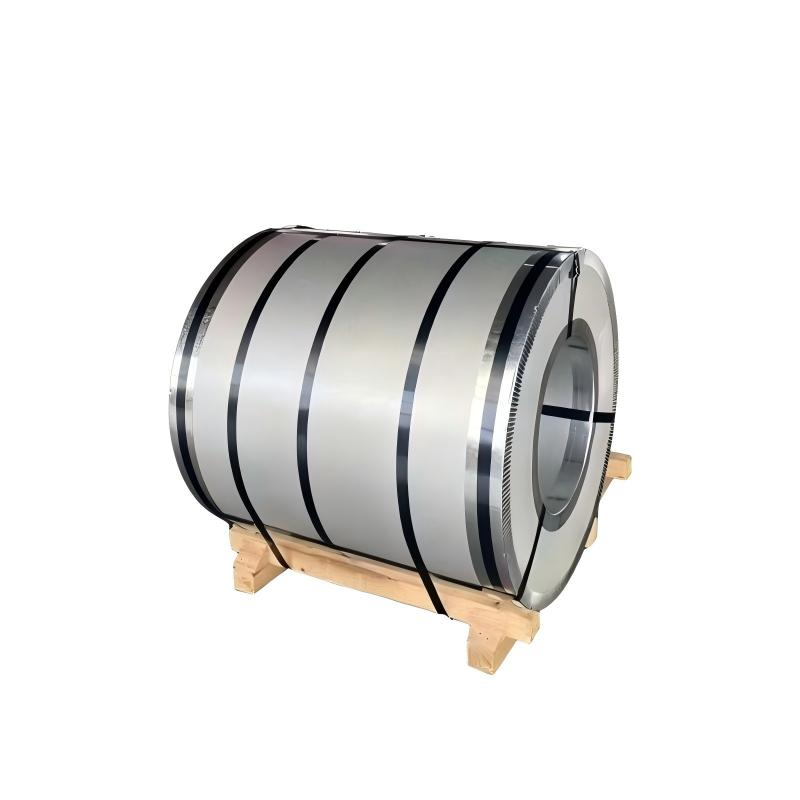
Learn why heavy coating galvalume steel coil provides superior corrosion resistance in harsh coastal settings and saves long-term maintenance costs.
2026/09/10
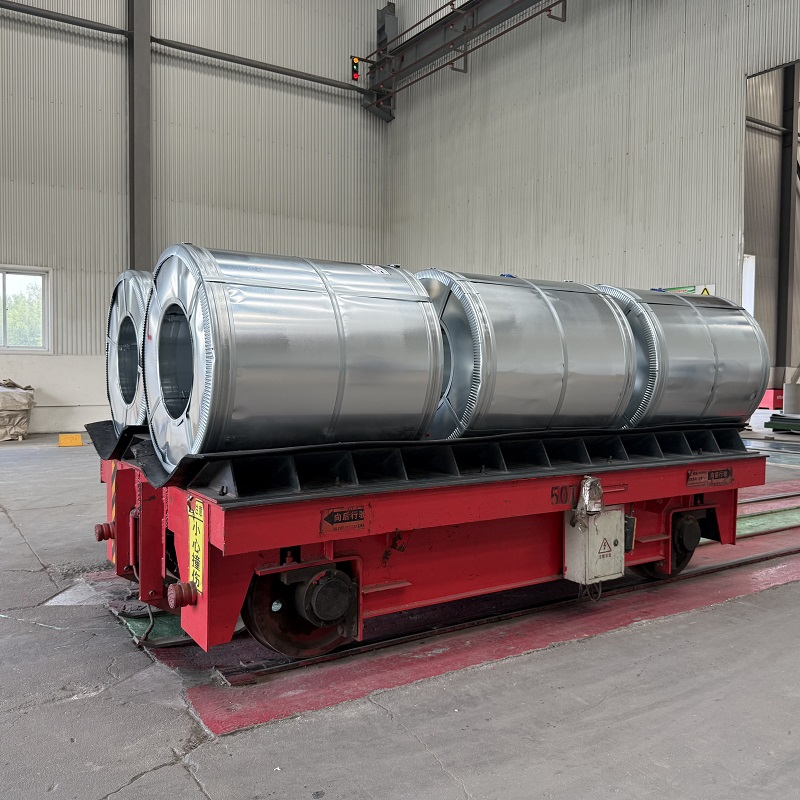
Learn how to test the bending performance of formable galvalume steel coil samples using T-bend testing to prevent cracking and scrap.
2026/09/10
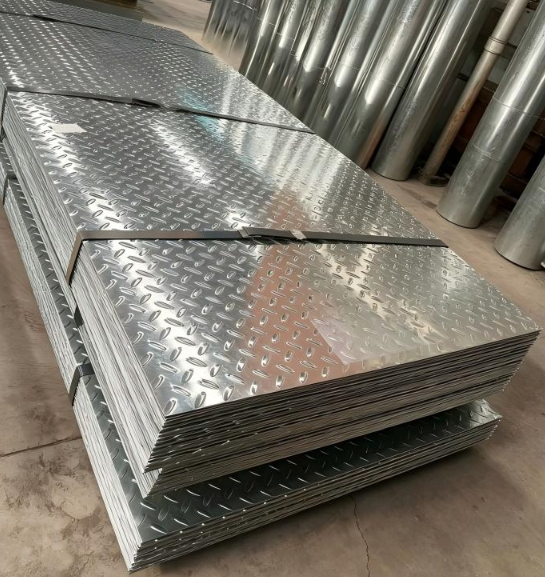
Discover how multi specification galvalume steel coil simplifies purchasing, boosts productivity, and lowers costs for metal fabricators.
2026/09/10
Discover why hot dipped galvanized steel and hot dip galvanized checkered plate offer ideal corrosion resistance and strength for road guardrails.
Covering green transformation, product comparison, selection guide, and industry empowerment, helping you fully grasp the dynamics of the color steel industry.

Global climate action and Belt and Road cooperation are driving the color steel industry’s shift toward green, sustainable development.

Comparing PPGI and PPGL across performance, durability, and applications to help you select the optimal coated steel for your project.
A practical guide to selecting and applying color steel coils, ensuring optimal performance, durability, and cost-effectiveness for your projects.
Industry forum drives digital and green transformation, empowering steel sector development through innovation and collaboration.