EN
EN

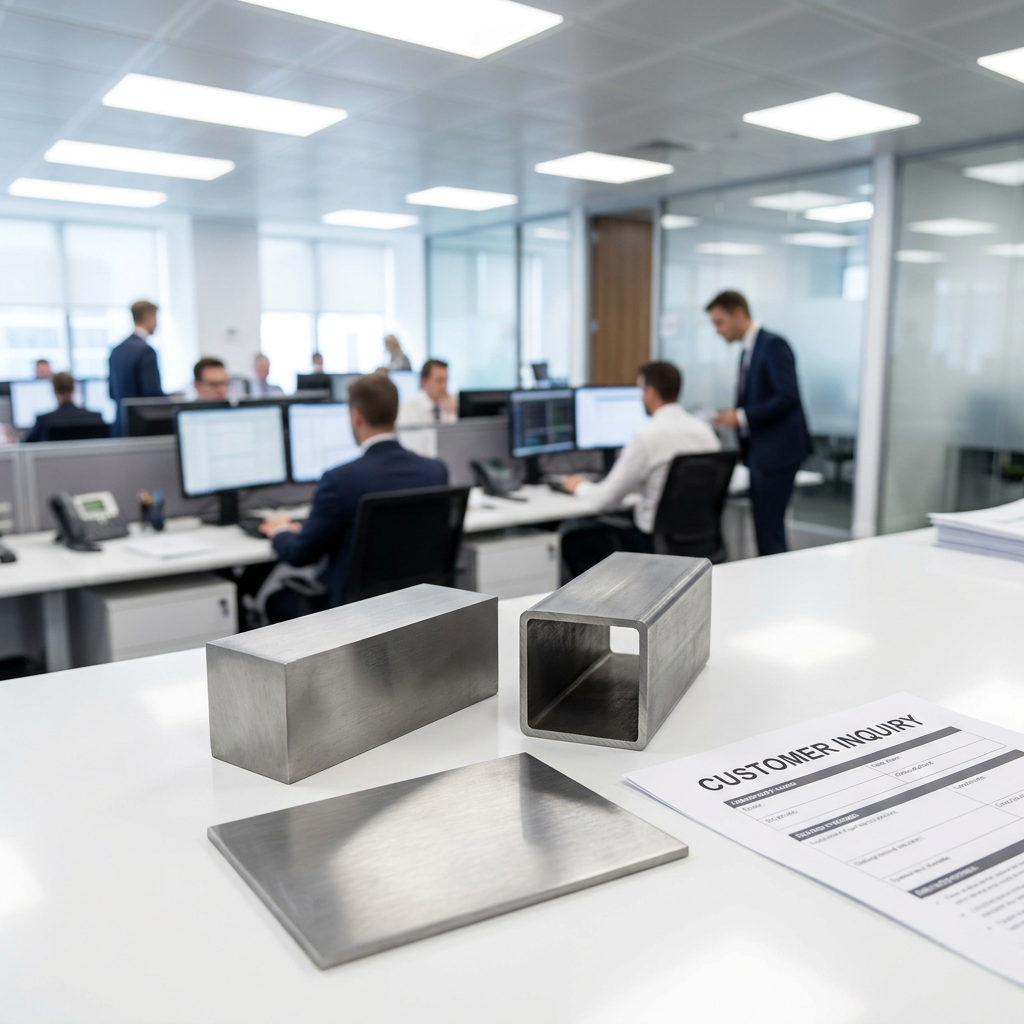
How to customize length size of precision cut GI coil finished sheets
2026/09/11
Learn how to specify precision cut GI coil sheets in custom lengths — tolerance selection, coating integrity, and ordering tips.
2026/08/24
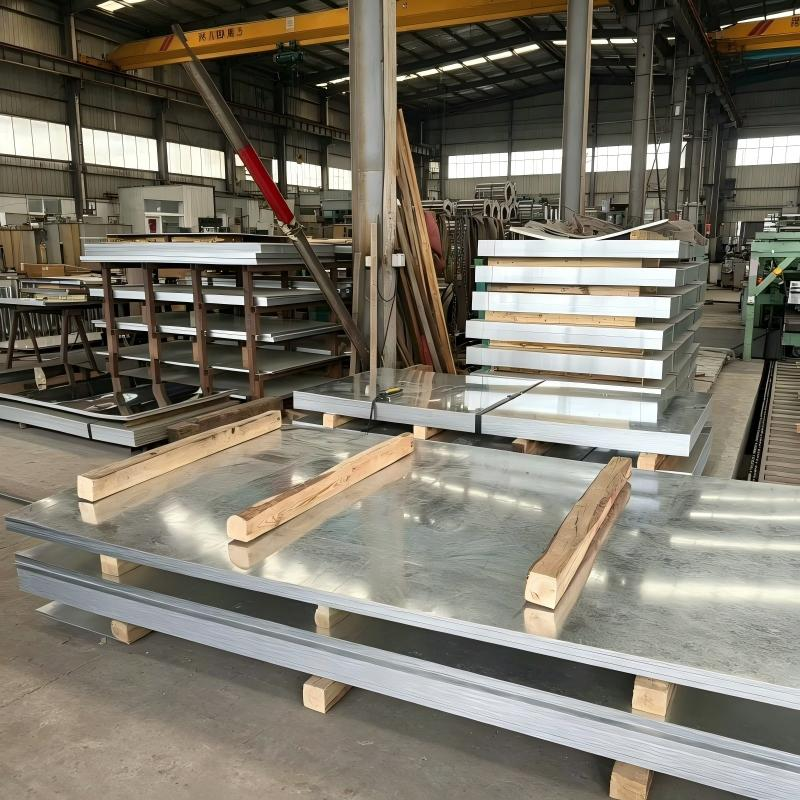
Few quality complaints frustrate fabricators more than paint peeling during ppgi bending. The steel forms perfectly, the profile looks right — and then hairline cracks or flakes appear along the bend line, exposing gray zinc and starting an early rust problem. In most cases the ppgi coil was never defective; the coating simply was not matched to the bending process.
Understanding how to select a formable ppgi steel coil and control ppgi processing parameters protects coating integrity, preventing costly scrap and production delays.
Paint peeling is fundamentally an adhesion and elasticity problem. When a coated steel sheet is bent, the outer surface stretches while the inner surface compresses. If the elongation at the bend exceeds what the paint film can follow, the film micro-cracks; if adhesion between paint and zinc layer is weak, those cracks grow into visible flakes.
Thicker coatings protect better against weathering but are harder to bend — every additional micron of top coat raises the strain the film must absorb. Hard, high-gloss paints crack before softer matte systems. A bend radius that is easy for bare galvanized steel may already be too tight for a standard coating system on a ppgi coil.
Coil selection solves most peeling problems before they occur. When ordering, specify a formable ppgi steel coil rather than a generic alternative. The payoff is a coil that runs at full line speed without inspection worries:
T-bend rating: T2 or better (ideally T1-T2) means the paint passes bending around its own thickness, indicating strong formability.
Top coat thickness: A 12-18 micron film bends more safely than 20 microns and above, trading a little weathering life for processing margin.
Paint family: Flexible or modified polyester for deep forming; PVDF when both weathering resistance and bendability matter.
Adhesion testing: Cross-hatch results of Class 4B-5B to ASTM standards and Erichsen cupping values give measurable adhesion data.
Zinc layer: Heavier zinc (Z120-Z275) supports adhesion and cut-edge protection on formed parts.
Even a high-quality formable ppgi steel coil will crack if processed incorrectly. Use these baseline parameters on the press brake or roll former:
Minimum inner bend radius: 1t-2t up to 0.5 mm; 2t-3t above 0.8 mm to reduce film elongation.
Bending direction: Across (transverse to) the rolling direction where possible so paint and zinc layers flex better.
Die material: Polyurethane pads or polished dies prevent metal burrs and rough surfaces from scratching the film.
Protective film: Keep it on during forming and remove it afterward to shield paint from die marks and debris.
Material temperature: Above 15 °C; warm cold coils in winter because cold paint turns brittle and cracks easily.
Bending speed: Moderate and steady strokes prevent shock loading to the paint film.
Temperature deserves special attention. Coils delivered at sub-zero temperatures can crack at bends that the same ppgi coil passes easily at room temperature. Before deep bending, let materials acclimate in the workshop for 12-24 hours to prevent high scrap rates during ppgi processing.
With the right coil and parameters in place, a disciplined procedure keeps the paint intact. Inspect every ppgi coil batch on arrival: check the paint surface, review adhesion reports, and verify T-bend certificates. Clean dies and tables thoroughly, because any metal chip trapped under the sheet will print straight through the paint during ppgi bending.
Trial-bend a short sample at the production radius and inspect the outer bend under strong light at a low angle. If micro-cracks appear as fine white lines, increase the radius or change the bending direction. Form with the protective film on, and remove it only after handling and stacking. Finally, for parts with exposed cut edges, apply touch-up paint or design profiles so edges face downward. Documenting successful parameters creates a reliable setup card for future ppgi processing runs.
If flakes appear, diagnose the root cause carefully. Cracks exactly on the bend line with paint still attached point to excessive strain; increase the radius or reduce coating thickness on the next formable ppgi steel coil order. Paint lifting in patches away from the bend usually indicates an adhesion failure, meaning the supplier's QC team should review the batch. Small teardrop flaking around punched holes signals worn or rough tooling.
Most paint-peeling complaints trace back to parameters or tooling rather than the coil itself, which is reassuring because parameters are straightforward to adjust. Shops that adopt a strict ppgi bending checklist typically eliminate paint peeling within weeks.
Securing reliable results starts with consistent material sourcing and responsive supply chain support. Yuanhe provides comprehensive steel solutions, delivering precision-manufactured ppgi coil products tailored to demanding roll-forming and fabrication requirements worldwide. With advanced production lines and rigorous quality control protocols across every batch, Yuanhe ensures that fabricators receive materials optimized for smooth ppgi processing and dependable long-term performance.
2026/09/11
Learn how to specify precision cut GI coil sheets in custom lengths — tolerance selection, coating integrity, and ordering tips.
2026/09/11
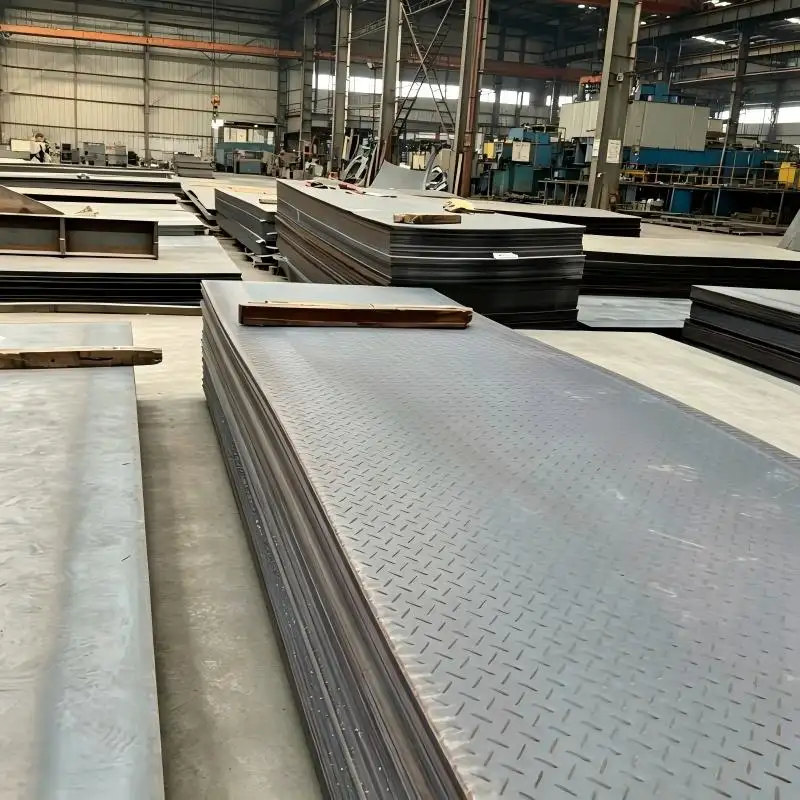
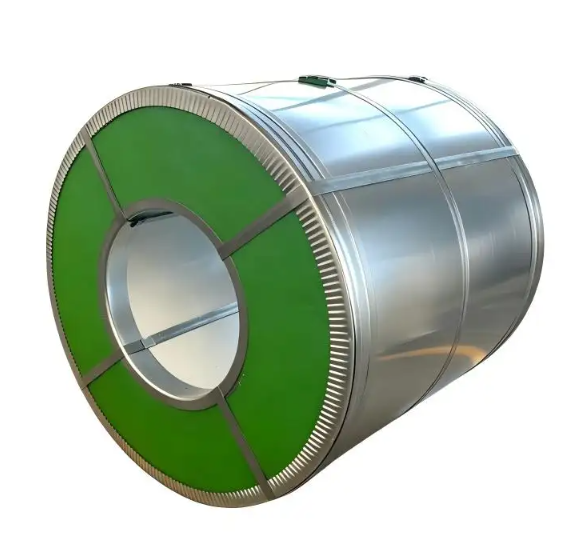
Learn why premium finish galvalume steel coil delivers better paint adhesion and visual consistency in finished building products. Request specs today.
2026/09/10
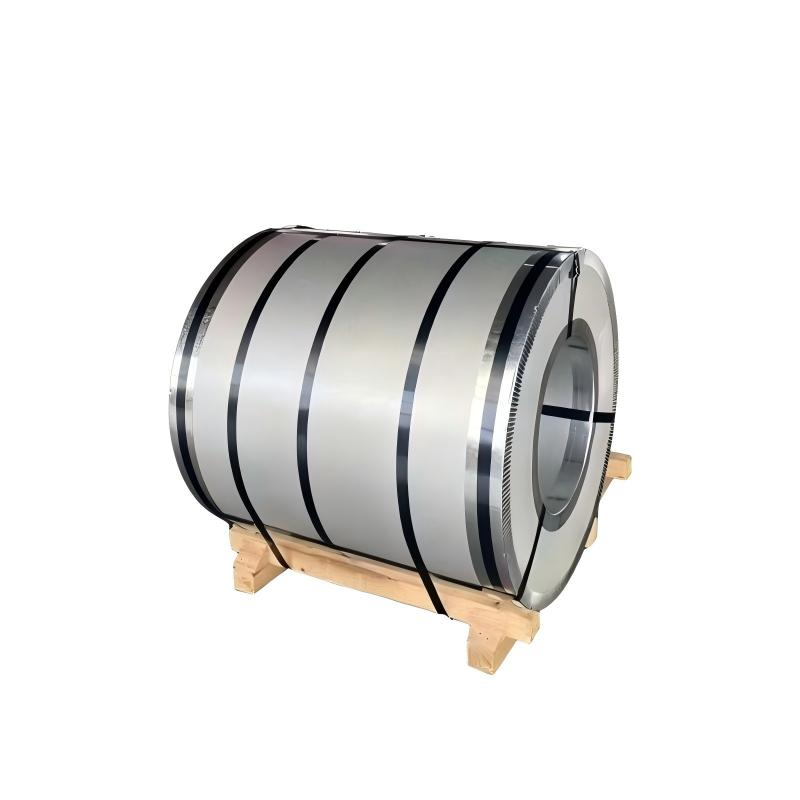
Learn why heavy coating galvalume steel coil provides superior corrosion resistance in harsh coastal settings and saves long-term maintenance costs.
2026/09/10
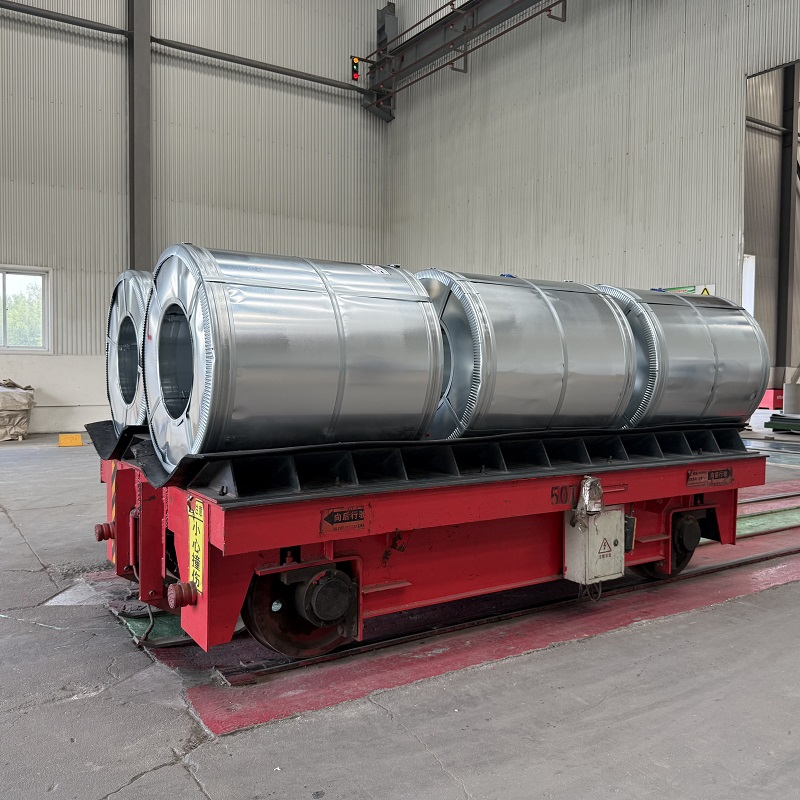
Learn how to test the bending performance of formable galvalume steel coil samples using T-bend testing to prevent cracking and scrap.
2026/09/10
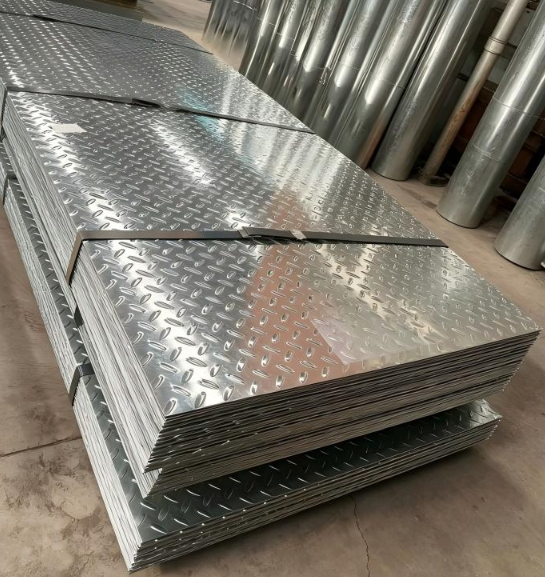
Discover how multi specification galvalume steel coil simplifies purchasing, boosts productivity, and lowers costs for metal fabricators.
2026/09/10
Discover why hot dipped galvanized steel and hot dip galvanized checkered plate offer ideal corrosion resistance and strength for road guardrails.
Covering green transformation, product comparison, selection guide, and industry empowerment, helping you fully grasp the dynamics of the color steel industry.

Global climate action and Belt and Road cooperation are driving the color steel industry’s shift toward green, sustainable development.
Comparing PPGI and PPGL across performance, durability, and applications to help you select the optimal coated steel for your project.
A practical guide to selecting and applying color steel coils, ensuring optimal performance, durability, and cost-effectiveness for your projects.
Industry forum drives digital and green transformation, empowering steel sector development through innovation and collaboration.