EN
EN

How to customize length size of precision cut GI coil finished sheets
2026/09/11
Learn how to specify precision cut GI coil sheets in custom lengths — tolerance selection, coating integrity, and ordering tips.
2026/08/13
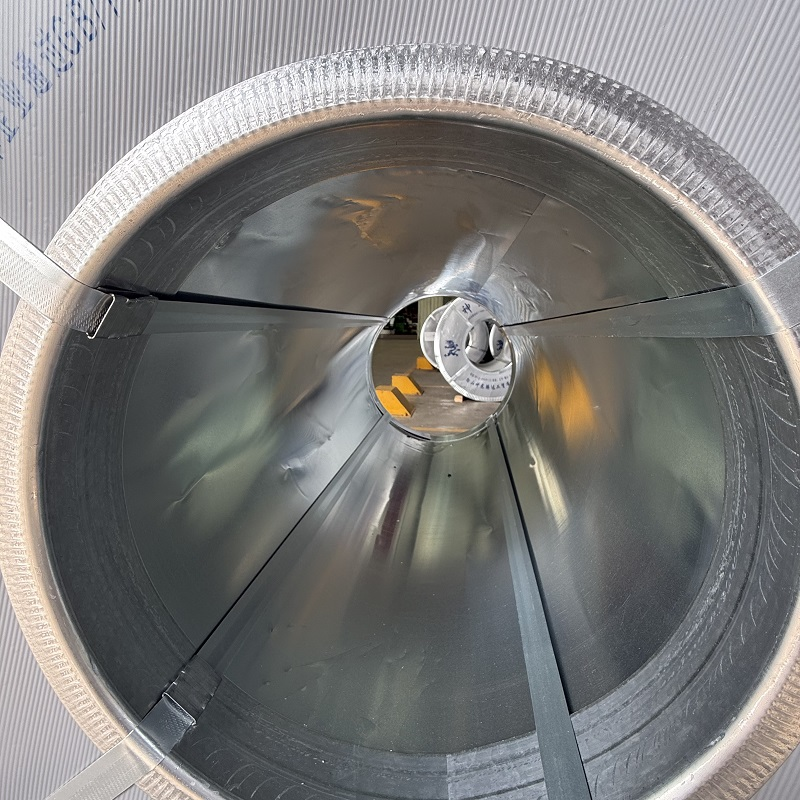
Managing a prepainted galvanized steel coil inventory requires constant attention to surface protection. The prepainted coating isn't just cosmetic—it represents a major portion of the raw material's total market value and provides crucial barrier protection. When unexpected coating damage occurs inside a warehouse, the financial losses go far beyond scrap costs. Material replacement delays, broken project timelines, and customer rejections can quickly add up.
Preventing surface degradation starts with identifying how defects occur during warehousing. The most frequent issues encountered during PPGI coil handling include:
Pressure Marking: Heavy static weight from over-stacking creates permanent imprints, color shifts, or sheen variations on lower layers.
Abrasion Scratches: Relative movement between adjacent surfaces during transport or crane movements gouges the topcoat down to the primer or zinc layer.
Humidity Blistering: Trapped moisture between tightly wound layers leads to chemical breakdown, micro-blistering, and loss of paint adhesion.
Audit data from industrial facilities shows that roughly 60% of surface defect claims are entirely preventable through proper material handling and environmental management. Maintaining a stable paint PPGI steel coil inventory relies heavily on operational discipline across the entire logistics chain.
Ambient warehouse conditions play a massive role in preserving surface quality. Temperature fluctuations combined with high relative humidity create the ideal environment for dew point formation. When condensation forms between tightly wrapped coil layers, water gets trapped by capillary action. This trapped water reacts with micro-pores in the organic paint film, destabilizing the bond between the zinc layer and topcoat.
To maintain a stable paint PPGI steel coil product over extended periods, warehouse managers should monitor indoor conditions against strict environmental benchmarks.
| Storage Horizon | Max Temperature | Max Relative Humidity | Stack Height Limit | Protective Packaging Requirements |
| Up to 30 Days | 40°C | 70% | 3 Coils High | Heavy felt padding at all support points |
| 30 to 90 Days | 35°C | 65% | 2 Coils High | Contact padding plus moisture-barrier wrapping |
| 90 to 180 Days | 30°C | 60% | 2 Coils High | Sealed export packaging with inner desiccant packs |
| Over 180 Days | 25°C | 55% | 1 Coil High | Fully climate-controlled indoor space required |
Minimizing thermal swings keeps the steel temperature above the dew point, stopping moisture formation before it starts.
Proper physical stacking safeguards the painted surface against localized weight concentration and friction marks. Heavy coils stored horizontally should sit on padded saddles or V-blocks that distribute weight evenly across the entire face width.
Over-stacking remains the primary trigger for pressure marking on a prepainted galvanized steel coil. Standard-width products (1,000 mm to 1,250 mm) should never be stacked more than three high, while wider or heavier formats should be restricted to two layers maximum. Heavy-duty felt or high-density polyethylene foam pads must separate every contact point.
The inner diameter, or coil eye, is especially prone to structural deformation and edge crushing. Concentrated load forces from upper layers can distort the lower core, leading to micro-cracking in the organic coating. Fitting thick, donut-shaped protective core pads around the inner diameter prevents direct steel-to-steel contact. Additionally, stacking coils with differing outer diameters in the same column creates irregular weight points that cause permanent profile distortion.
When handling narrow slit coils, vertical pallet stacking with interleaf paper between each layer provides better stability. Vertical positioning protects narrow strip edges from buckling while preventing the telescoping effect during forklift transfers.
Relative humidity above 65% poses an ongoing threat to stored steel stock. Facilities operating in humid tropical or coastal climates must deploy active environmental controls to keep ambient moisture levels within safe thresholds.
Commercial dehumidification units combined with continuous air circulation prevent stagnant air pockets where moisture concentrates. Large industrial fans positioned near floor level and warehouse corners keep air moving smoothly around stacked rows.
For temporary semi-outdoor storage, permeable, breathable protective covers must be used rather than non-breathable plastic tarps. Non-porous sheets trap evaporated ground moisture beneath the cover, creating a greenhouse effect that degrades paint coatings rapidly.
A regional building material distributor in Southeast Asia experienced severe defect rates on imported PPGI coil inventory stored in an unconditioned warehouse. Initial inspection revealed pressure marks on 12% of stored stock and moisture-induced paint blistering on another 8%.
To resolve these recurring claims, management implemented a comprehensive three-point operational upgrade:
Environmental Controls: Installed industrial-grade dehumidifiers to cap ambient relative humidity below 65%.
Stacking Redesign: Capped stacking heights at two coils maximum, adding high-density felt pads across all support saddles.
Inventory Rotation: Enforced a strict First-In, First-Out (FIFO) material movement schedule capped at a 60-day maximum turnaround.
Within six months, pressure marking incidents dropped down to 1.5%, while moisture-related paint failures fell below 0.8%. Customer defect claims plummeted by 88%, fully recovering equipment upgrade costs in less than four months through reduced material write-offs.
Early detection prevents minor surface issues from ruining entire batches of stored material. Weekly floor audits should focus on high-risk locations, including bottom-tier coils bearing the highest physical loads and items stored near external access doors.
Quality inspection routines should include:
Visual Checks: Inspecting exposed surfaces for indentation marks, gloss changes, or color fading.
Adhesion Tests: Checking edge areas for early signs of coating flaking or micro-cracks.
Moisture Audits: Placing humidity test cards inside protective packaging wraps to track internal moisture levels.
During material transfers, all crane hooks, C-hooks, and forklift tines must be fitted with polyurethane or rubber protective sleeves. Bare steel chains or unpadded cables should never make contact with a prepainted galvanized steel coil, as sharp edges instantly gouge through surface coatings down to the underlying metal core.
Working with experienced manufacturing and supply chain partners like Shenyang Yuanhe ensures that raw material coils arrive with robust protective packaging engineered specifically for ocean transit and long-term warehouse protection. Upstream manufacturing quality paired with disciplined warehouse management provides complete surface protection across the entire supply chain.
Pressure marking occurs when heavy static loads compress the paint layer on lower coils. This happens when coils are stacked too high, when soft protective padding is omitted between layers, or when mismatched coil diameters create concentrated contact points.
Keeping indoor relative humidity under 65% using commercial dehumidifiers is the most effective approach. Maintaining steady warehouse temperatures and encouraging continuous air circulation with large ceiling fans prevents cold steel surfaces from reaching the ambient dew point.
Under standard indoor warehouse conditions, a prepainted galvanized steel coil can be safely stored for 90 to 180 days. Storage beyond six months requires climate-controlled spaces with regulated temperature and humidity settings to preserve full coating flexibility and paint adhesion.
2026/09/11
Learn how to specify precision cut GI coil sheets in custom lengths — tolerance selection, coating integrity, and ordering tips.
2026/09/11
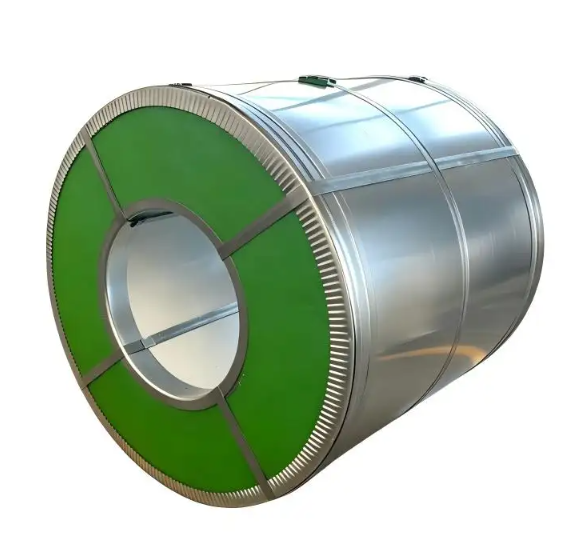
Learn why premium finish galvalume steel coil delivers better paint adhesion and visual consistency in finished building products. Request specs today.
2026/09/10
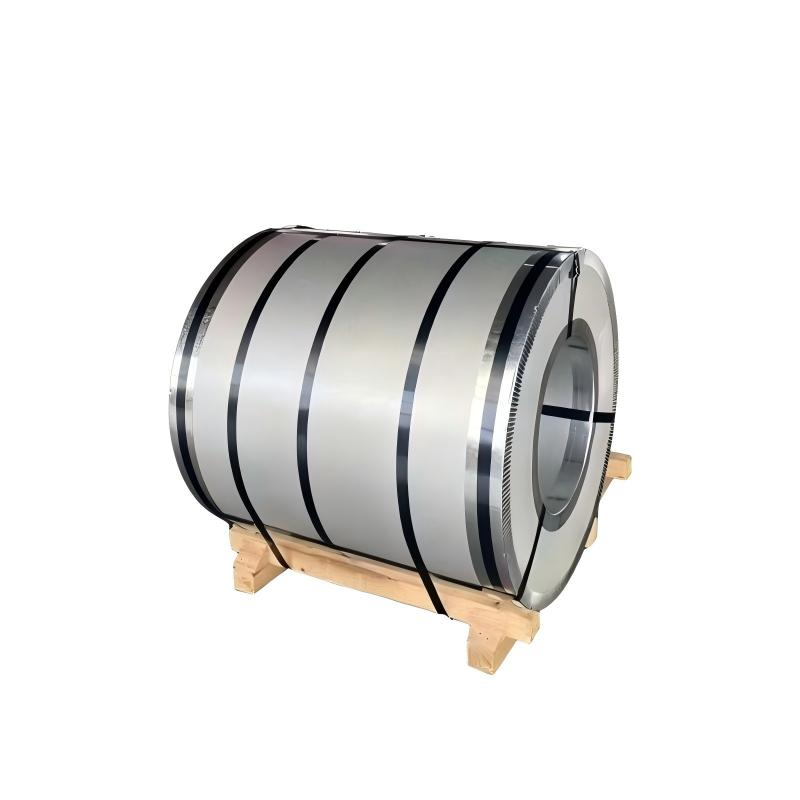
Learn why heavy coating galvalume steel coil provides superior corrosion resistance in harsh coastal settings and saves long-term maintenance costs.
2026/09/10
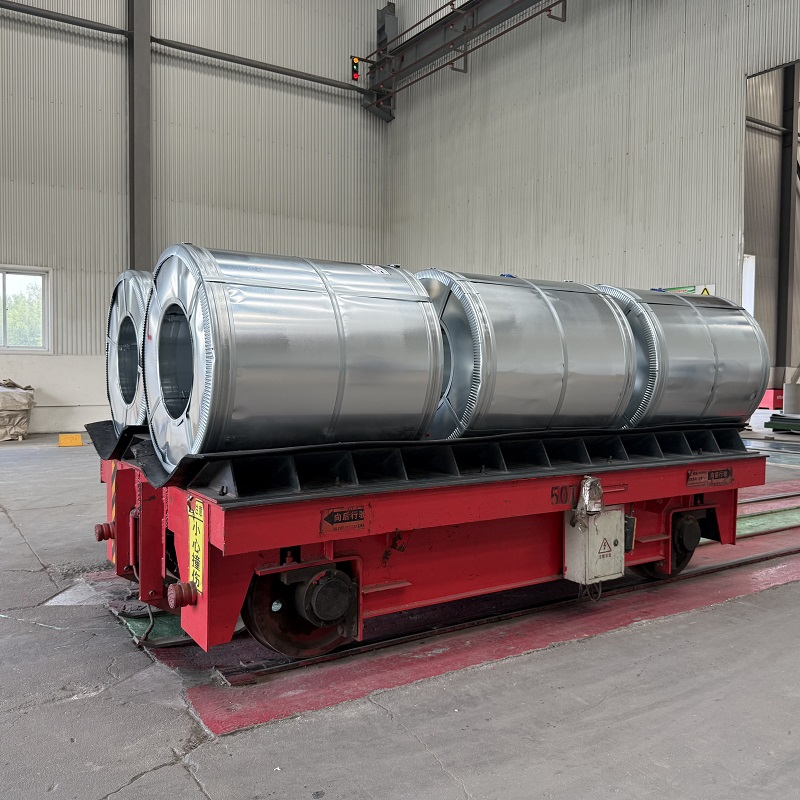
Learn how to test the bending performance of formable galvalume steel coil samples using T-bend testing to prevent cracking and scrap.
2026/09/10
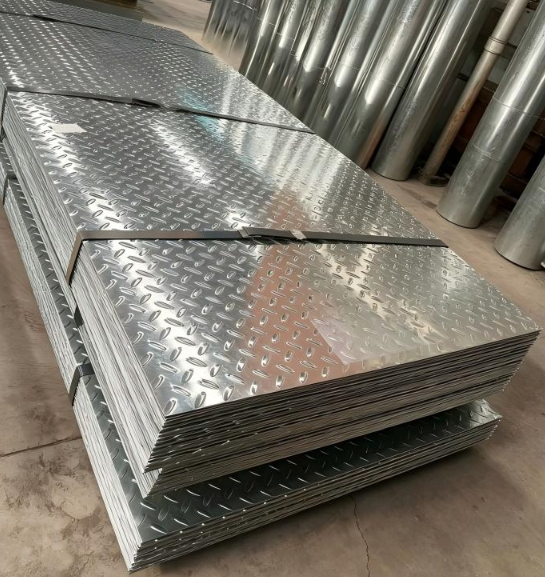
Discover how multi specification galvalume steel coil simplifies purchasing, boosts productivity, and lowers costs for metal fabricators.
2026/09/10
Discover why hot dipped galvanized steel and hot dip galvanized checkered plate offer ideal corrosion resistance and strength for road guardrails.
Covering green transformation, product comparison, selection guide, and industry empowerment, helping you fully grasp the dynamics of the color steel industry.

Global climate action and Belt and Road cooperation are driving the color steel industry’s shift toward green, sustainable development.

Comparing PPGI and PPGL across performance, durability, and applications to help you select the optimal coated steel for your project.
A practical guide to selecting and applying color steel coils, ensuring optimal performance, durability, and cost-effectiveness for your projects.
Industry forum drives digital and green transformation, empowering steel sector development through innovation and collaboration.