EN
EN

How to customize length size of precision cut GI coil finished sheets
2026/09/11
Learn how to specify precision cut GI coil sheets in custom lengths — tolerance selection, coating integrity, and ordering tips.
2026/09/08
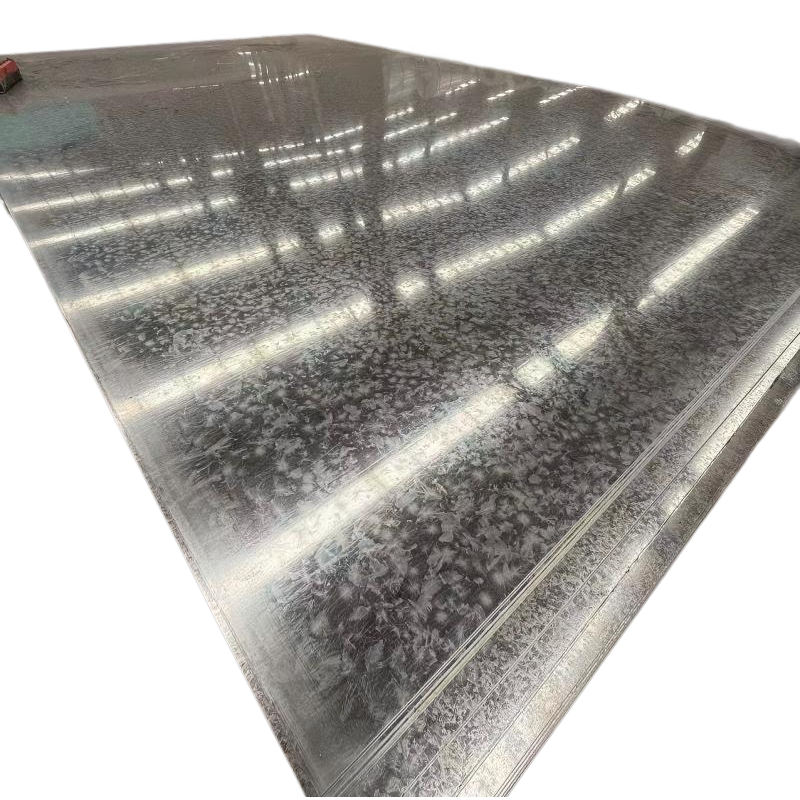
Raw steel coils coming straight off heavy rolling mills serve as the fundamental feedstock across global manufacturing. From structural beams and automotive frames to heavy storage tanks, raw coils supply the core metal required for countless downstream production lines. However, factory-standard coil widths and mill edge profiles rarely match the exact footprint needed on specialized production floors. Precision slitting, shearing, and laser profiling bridges the gap, transforming heavy master stock into custom-sized blanks, narrow strips, and ready-to-assemble components.
Executing customized cutting on unpickled or oiled steel requires balancing machine setup with real-world material dynamics. Fine-tuning processing speeds, blade clearances, and clamping pressures ensures clean edges, maximizes material yield, and keeps downstream processing lines running without machine jams or die wear.
Setting up processing lines requires analyzing physical coil traits before bringing slitting blades or laser heads into contact with the steel:
Partnering with an experienced hr slit coil supplier guarantees consistent mechanical properties and uniform thickness profiles across every batch, minimizing setup adjustments between production runs.
Slitting transforms a wide master hot rolled coil into tight, uniform strips designed for continuous roll-forming or stamping presses.
Blade clearance stands out as the single most critical adjustment during slitting. Setting knife clearance between 8% and 12% of total sheet thickness yields clean cut edges. Setting gaps too tight leads to excessive blade wear and rough double-shear edges, while excessive clearance creates tall bottom burrs and heavy edge roll-off.
Knife overlap—the vertical intersection between upper and lower slitting arbors—should sit between 30% and 50% of sheet thickness. Line tension management prevents strip twisting, cambering, or dish-warping during recoiling. Setting recoil tension around 10% to 20% of material yield strength ensures tight, stable coil packages.
Line speeds for a hot rolled coil typically run between 30 and 80 meters per minute. Heavier gauges and higher yield grades require slower processing speeds to maintain edge quality and reduce arbor shock.
Shearing converts unwound steel strips into flat, square sheet blanks for immediate fabrication work.
Blade clearance rules match slitting setups, keeping gaps between 8% and 12% of material thickness. Setting a rake angle between 1 and 3 degrees reduces the required cutting force per inch, yielding straight, flat sheet edges without twist.
Clamping hold-down pressure must overcome natural sheet camber and surface mill scale. Increasing hydraulic hold-down pressure by 10% to 15% compared to cold-rolled sheet settings prevents stock slipping during heavy shearing strokes.
Keeping back-gauge optical sensors clean remains essential during hot rolled coil processing. Loose mill scale dust can coat sensor lenses, causing slight measurement drift and inconsistent cut lengths over long production runs.
High-precision profiling on hot-rolled stock requires specific laser setup changes to overcome surface oxide layers and thickness variations.
Performing a light surface cleaning or pickling pass before precision laser cutting eliminates scale interference entirely, allowing faster feed rates and cleaner cut profiles during customized cutting operations.
Establishing rigid inspection standards ensures processed strips and cut blanks meet strict industrial specifications:
| Quality Inspection Metric | Target Parameter Standard | Potential Defect Risk |
|---|---|---|
| Dimensional Width Tolerance | Within ±0.2 mm to ±0.5 mm | Assembly alignment issues |
| Edge Burr Height | Under 10% of total sheet thickness | Operator injury, die damage |
| Edge Profile Condition | Micro-crack free, clean shear zone | Premature fatigue failure |
| Flatness and Camber | Within ISO / ASTM standard limits | Stamping feed jams |
| Surface Preservation | Free from gouges, deep scratches | Coating adhesion failure |
Maintaining documented quality checks across every hot rolled coil processing stage ensures consistent panel squareness and trouble-free downstream fabrication.
Mastering customized cutting parameters on heavy metal stock requires combining physical material insights, accurate tool calibration, and strict quality control on the shop floor. Setting precise blade gaps, adjusting line tension, and fine-tuning laser focal points maximizes material yield while keeping production costs low.
Partnering with an experienced supply partner simplifies material sourcing, guarantees strict gauge tolerances, and streamlines manufacturing workflows. Working through established international supply channels gives fabricators direct access to top-grade hr slit coil products tailored to exact dimensional requirements. Integrated processing and logistics solutions managed by Shenyang Yuanhe Steel fulfill this role, providing precision-slit stock, custom cut-to-length sheets, and dependable global delivery to support demanding manufacturing projects worldwide.
2026/09/11
Learn how to specify precision cut GI coil sheets in custom lengths — tolerance selection, coating integrity, and ordering tips.
2026/09/11
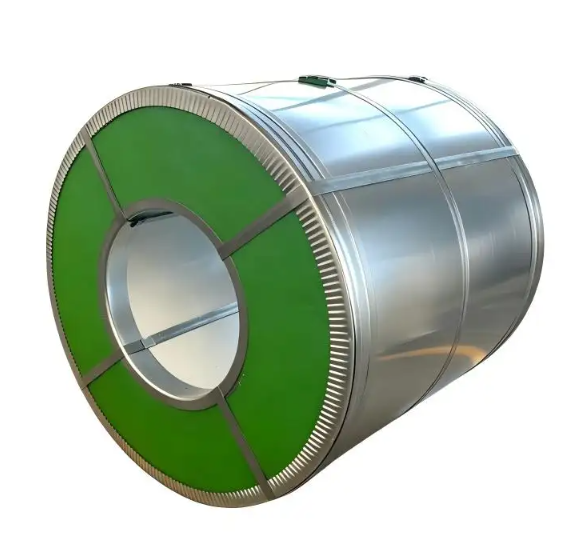
Learn why premium finish galvalume steel coil delivers better paint adhesion and visual consistency in finished building products. Request specs today.
2026/09/10
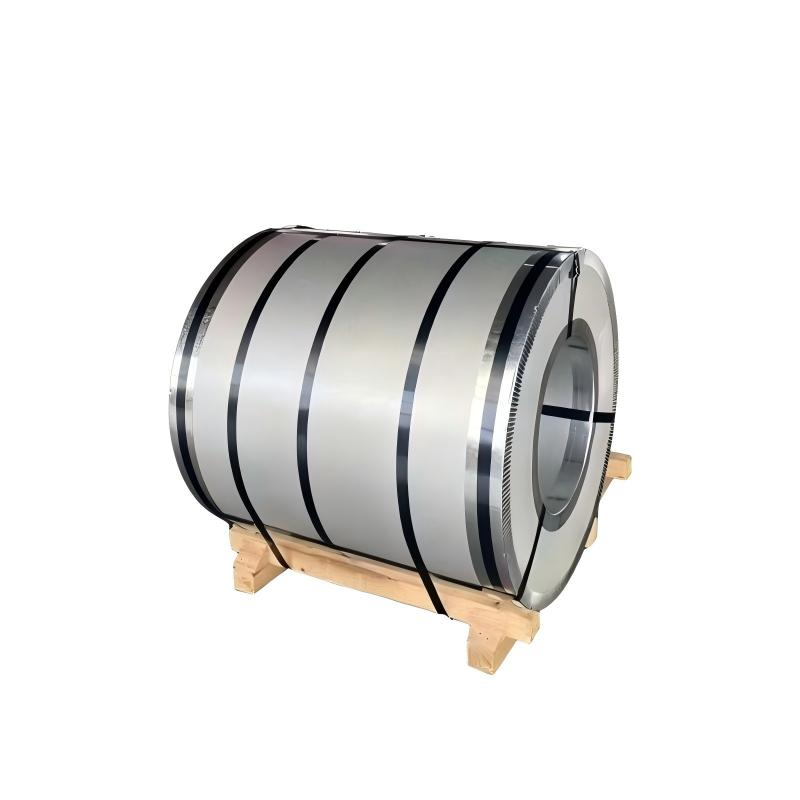
Learn why heavy coating galvalume steel coil provides superior corrosion resistance in harsh coastal settings and saves long-term maintenance costs.
2026/09/10
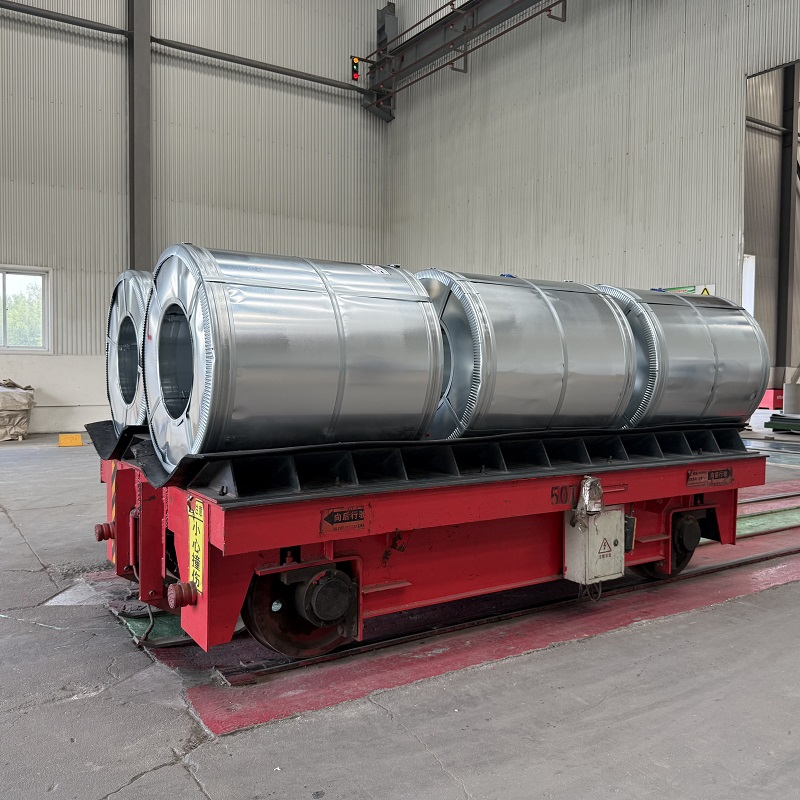
Learn how to test the bending performance of formable galvalume steel coil samples using T-bend testing to prevent cracking and scrap.
2026/09/10
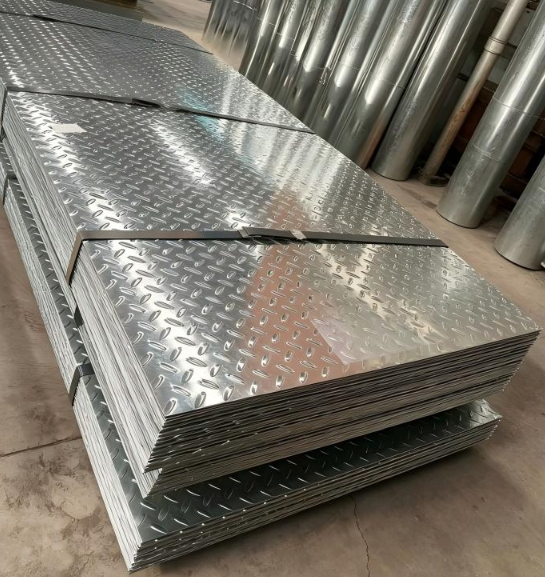
Discover how multi specification galvalume steel coil simplifies purchasing, boosts productivity, and lowers costs for metal fabricators.
2026/09/10
Discover why hot dipped galvanized steel and hot dip galvanized checkered plate offer ideal corrosion resistance and strength for road guardrails.
Covering green transformation, product comparison, selection guide, and industry empowerment, helping you fully grasp the dynamics of the color steel industry.

Global climate action and Belt and Road cooperation are driving the color steel industry’s shift toward green, sustainable development.
Comparing PPGI and PPGL across performance, durability, and applications to help you select the optimal coated steel for your project.
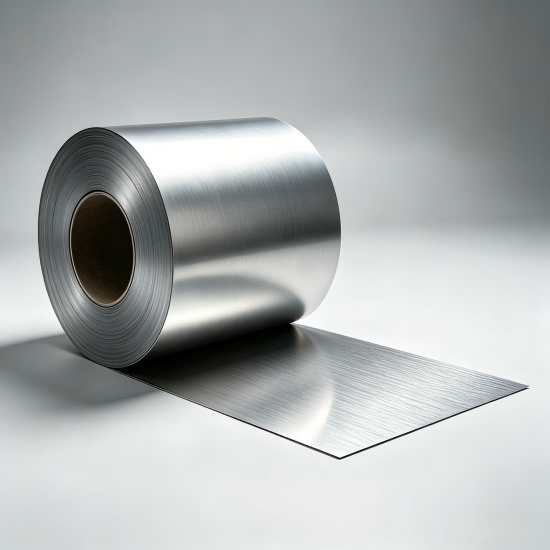
A practical guide to selecting and applying color steel coils, ensuring optimal performance, durability, and cost-effectiveness for your projects.
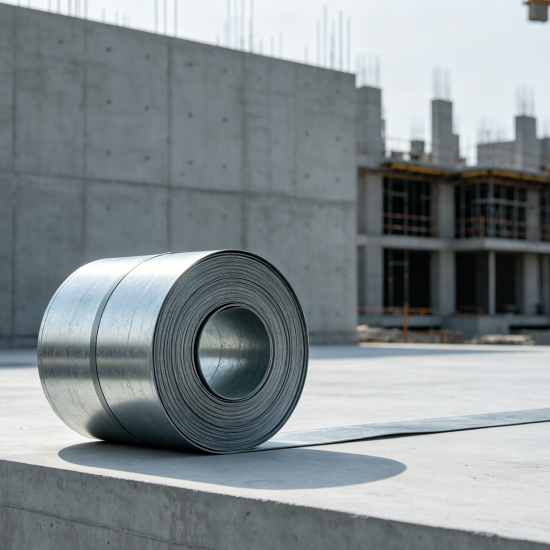
Industry forum drives digital and green transformation, empowering steel sector development through innovation and collaboration.