EN
EN

How to customize length size of precision cut GI coil finished sheets
2026/09/11
Learn how to specify precision cut GI coil sheets in custom lengths — tolerance selection, coating integrity, and ordering tips.
2026/08/10
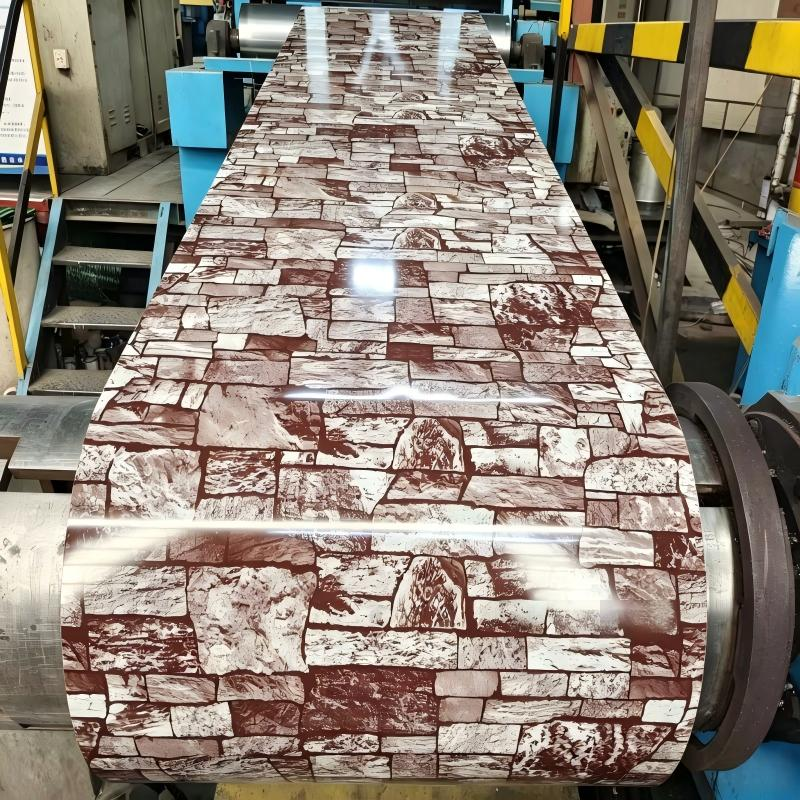
Achieving clean edges on any colour coated steel coil presents unique challenges that set it apart from processing bare metal. The delicate paint system on a standard PPGI coil can easily crack, chip, or smudge if processing parameters are not dialed in accurately, ruining both visual appeal and corrosion defense. When technicians process a colour coated steel coil at incorrect velocities, frictional heat softens the organic paint resin, causing it to stick to tooling and ruin edge quality.
Successful fabrication relies heavily on mastering precision cutting across three distinct phases: initial blade contact, substrate penetration, and exit clearance. For a typical PPGI coil measuring between 0.3 and 0.8 mm thick—the standard range for architectural panels and appliances—throughput speed must match the paint formulation and substrate gauge. Utilizing advanced coil slitting equipment ensures stable line speeds, preventing edge burrs while maintaining strict dimensional tolerances.
Several technical variables dictate the optimal line speed when handling a colour coated steel coil. Material thickness serves as the primary metric: thinner gauges require faster speeds coupled with lighter tool pressure, while heavier sheets demand slower velocities and greater force. For instance, a thin 0.3 mm PPGI coil runs efficiently at 80 to 120 meters per minute, whereas a thicker colour coated steel coil requires a reduced pace to ensure a clean shear.
Paint chemistry also plays a massive role in setting up your coil slitting equipment. Polyester finishes feature flexible resins that tolerate higher speeds, whereas brittle PVDF coatings require a 15 to 20 percent reduction in speed to stop micro-fractures along the cut line. Furthermore, tool sharpness directly dictates output quality; dull edges force operators to slow down, while sharp tungsten carbide blades support rapid precision cutting without sacrificing surface integrity.
Implementing a structured speed tuning routine guarantees consistent results across various production runs. First, verify incoming material specifications, including coating type, paint thickness, and base metal grade. Next, reference baseline speed charts tailored to your specific coil slitting equipment tooling to select a starting velocity for your current PPGI coil batch.
Run a short test sample of approximately 500 mm and inspect the sheared edge under a 10x magnifying glass. Check for paint adhesion failure, burr height limits, straightness deviations, and smearing. If flaws appear, adjust processing speed in 10 percent increments until reaching an ideal balance. Document these optimized parameters for every unique colour coated steel coil specification to streamline future production runs and ensure flawless precision cutting.
| Material Gauge | Polyester Finish Speed | PVDF Finish Speed | Recommended Tooling | Max Burr Limit |
| 0.30 mm | 100-120 m/min | 80-100 m/min | Tungsten Carbide | 0.03 mm |
| 0.40 mm | 80-100 m/min | 65-85 m/min | Tungsten Carbide | 0.04 mm |
| 0.50 mm | 65-85 m/min | 50-70 m/min | Tungsten Carbide | 0.05 mm |
| 0.60 mm | 50-70 m/min | 40-55 m/min | Carbide / HSS | 0.05 mm |
| 0.80 mm | 40-60 m/min | 30-50 m/min | Carbide / HSS | 0.06 mm |
An appliance manufacturer producing refrigerator side panels from 0.45 mm colour coated steel coil faced severe edge defects, resulting in a 12 percent scrap and rework rate. Their legacy processing line used a flat 70 meters per minute speed for all incoming metal, ignoring paint variations and relying solely on reactive tool changes.
After adopting a systematic speed optimization protocol paired with modern coil slitting equipment, the plant tailored its line speeds to 95 meters per minute for polyester-coated stocks. They also transitioned to scheduled preventive tool maintenance based on linear meter counts rather than visual wear. These upgrades dropped scrap rates down to 1.8 percent, boosted daily output by 18 percent, and ensured every PPGI coil met strict industry standards on the first pass.
Post-processing quality checks must evaluate both dimensional accuracy and coating health. Length and width tolerances should be verified at multiple intervals along the strip, ensuring the finished colour coated steel coil remains square and dimensionally true. Edge inspections should focus on detecting any peeling, micro-cracking, or thermal smearing.
Maintaining superior surface quality requires robust manufacturing infrastructure. Shenyang Yuanhe operates specialized flattening, slitting, and cutting workshops equipped with advanced machinery to handle demanding metal processing needs. By combining expert craftsmanship with reliable global supply chain services, Shenyang Yuanhe ensures that every delivered PPGI coil and colour coated steel coil meets the exact dimensional and edge-finish requirements expected by international buyers.
For a 0.5 mm polyester-coated PPGI coil, target speeds range from 65 to 85 meters per minute when utilizing high-grade tungsten carbide blades. Fine-tuning depends on underlying steel hardness and actual paint film thickness.
Tool lifespan varies by material grade and coating type. Generally, tungsten carbide blades running on a colour coated steel coil should undergo scheduled replacement every 8,000 to 12,000 linear meters to maintain clean edges and prevent burr buildup.
Chipping usually stems from excessive processing speed, incorrect blade clearance, or worn-out tooling. Brittle PVDF finishes on a PPGI coil demand slower operating speeds compared to flexible polyester alternatives to prevent edge damage.
2026/09/11
Learn how to specify precision cut GI coil sheets in custom lengths — tolerance selection, coating integrity, and ordering tips.
2026/09/11
Learn why premium finish galvalume steel coil delivers better paint adhesion and visual consistency in finished building products. Request specs today.
2026/09/10
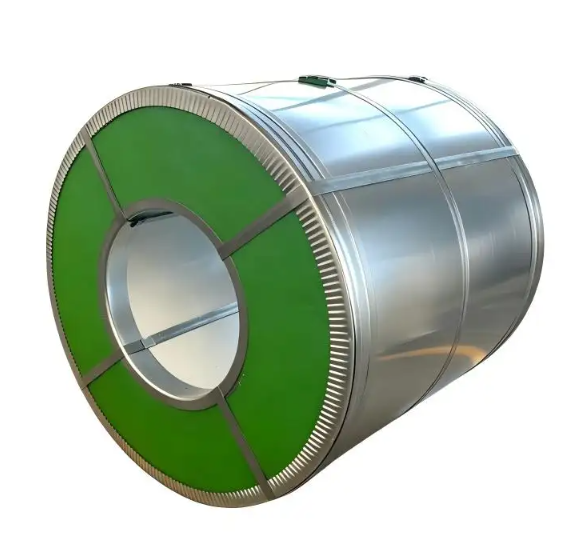
Learn why heavy coating galvalume steel coil provides superior corrosion resistance in harsh coastal settings and saves long-term maintenance costs.
2026/09/10
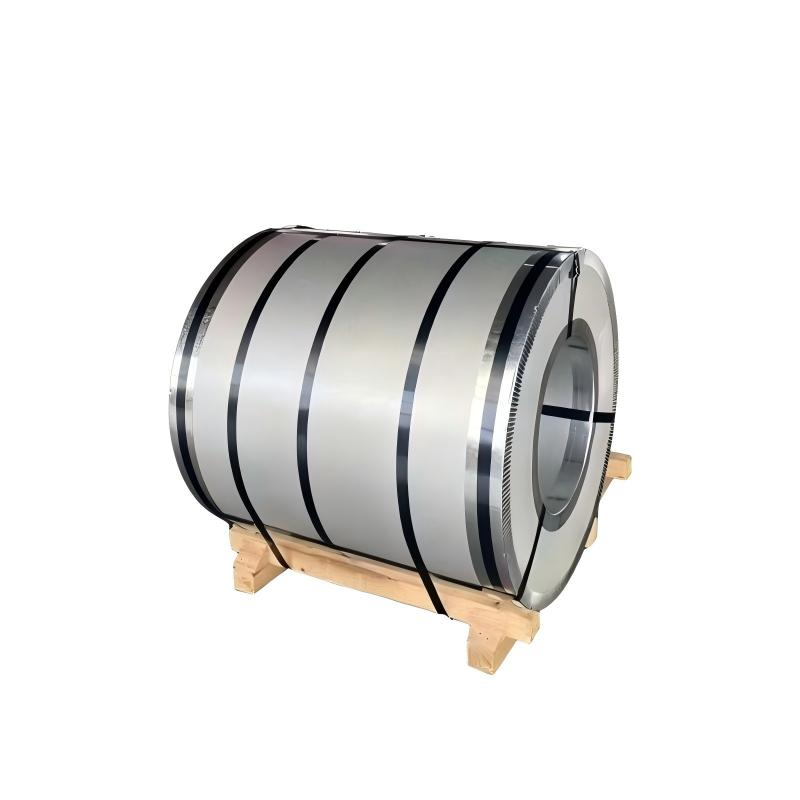
Learn how to test the bending performance of formable galvalume steel coil samples using T-bend testing to prevent cracking and scrap.
2026/09/10
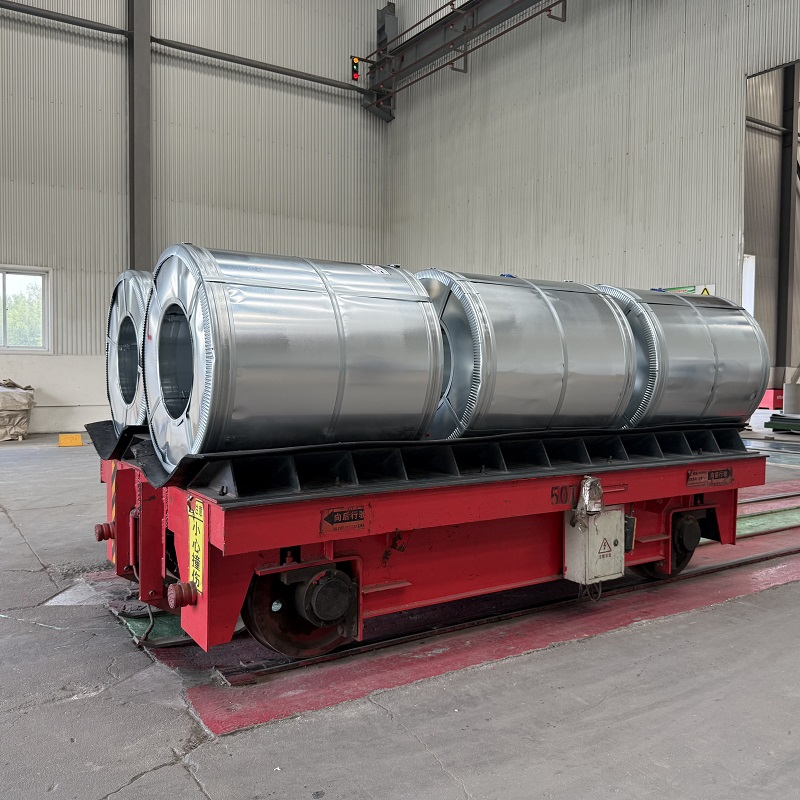
Discover how multi specification galvalume steel coil simplifies purchasing, boosts productivity, and lowers costs for metal fabricators.
2026/09/10
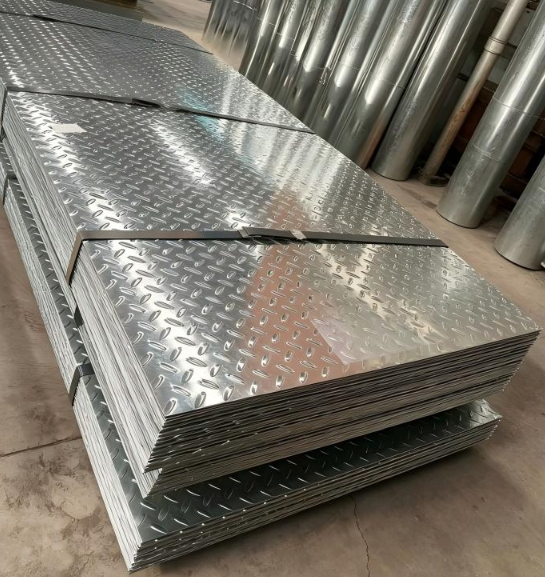
Discover why hot dipped galvanized steel and hot dip galvanized checkered plate offer ideal corrosion resistance and strength for road guardrails.
Covering green transformation, product comparison, selection guide, and industry empowerment, helping you fully grasp the dynamics of the color steel industry.

Global climate action and Belt and Road cooperation are driving the color steel industry’s shift toward green, sustainable development.
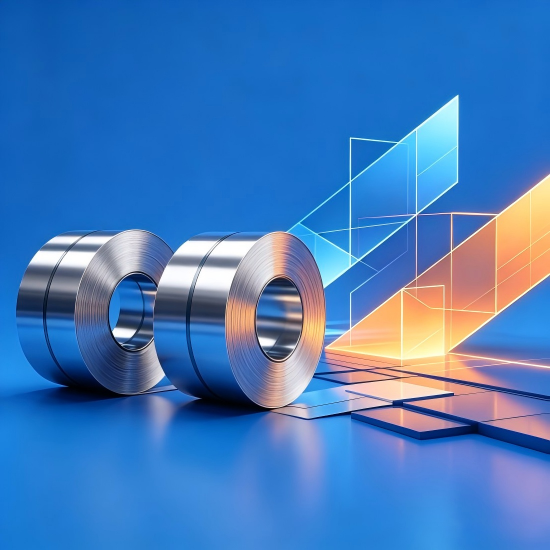
Comparing PPGI and PPGL across performance, durability, and applications to help you select the optimal coated steel for your project.
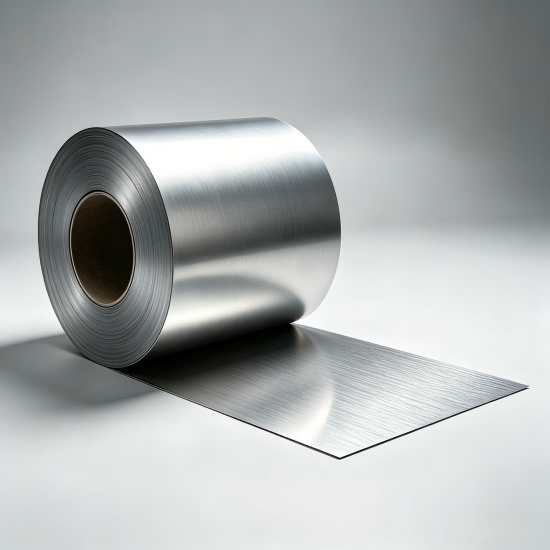
A practical guide to selecting and applying color steel coils, ensuring optimal performance, durability, and cost-effectiveness for your projects.
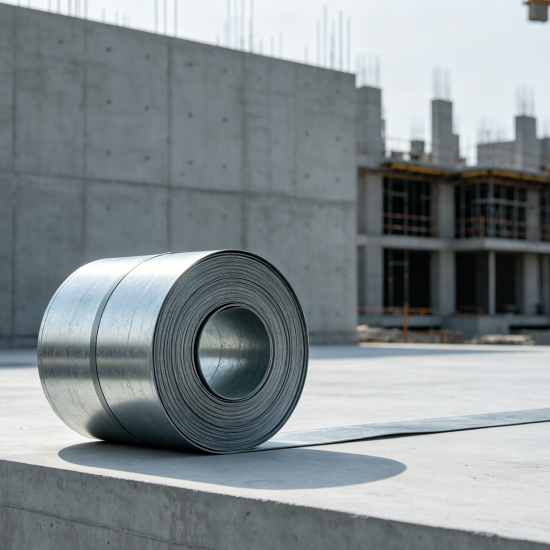
Industry forum drives digital and green transformation, empowering steel sector development through innovation and collaboration.