EN
EN

How to customize length size of precision cut GI coil finished sheets
2026/09/11
Learn how to specify precision cut GI coil sheets in custom lengths — tolerance selection, coating integrity, and ordering tips.
2026/09/03
Every premium coated steel product—whether prepainted galvanized iron (PPGI), galvalume (PPGL), or specialized color‑coated sheets—relies entirely on the integrity of its initial substrate. Hot rolled coil serves as the physical and chemical foundation for all downstream processing. While surface coatings provide corrosion resistance and aesthetic appeal, the underlying steel determines mechanical behavior, structural longevity, and manufacturing yields.
Procurement decisions made at the hot rolled coil stage cascade directly into cold rolling efficiency, pickling performance, zinc‑iron alloy growth, and final paint adhesion. Across major steel fabrication hubs, processing facilities consistently encounter a clear reality: plants utilizing prime hot rolled coil experience minimal downtime and high yields, whereas facilities attempting to cut substrate costs routinely suffer from excessive scrap, tool wear, and customer rejections. A finished color‑coated sheet is only as reliable as the hot rolled steel coil supplier that produced its base metal.
The transformation from raw steel slab to high‑grade color‑coated sheet is a rigorous, multi‑stage metallurgical journey. Slabs are initially reheated to temperatures around 1,200°C before passing through continuous roughing and finishing mills to form hot rolled coil. At this juncture, critical physical and chemical properties are established, including grain structure, scale formation, chemical homogeneity, and cross‑sectional profile.
Once rolled, the material undergoes an intricate sequence of conversion steps:
When a hot rolled steel coil supplier delivers material with sub‑standard surface characteristics, downstream equipment cannot bridge the quality gap. Substrate flaws remain permanently trapped beneath subsequent zinc and paint coatings.
Selecting the right coated steel base material requires strict adherence to tight mechanical and dimensional tolerances. Minor deviations in raw material specs lead to significant operational disruptions during high‑speed cold rolling and deep drawing.
Surface integrity remains the paramount focus. Defects such as scabs, slivers, edge cracks, and localized pitting compromise both the physical barrier and aesthetic finish of PPGI products. For high‑grade prepainted line feed, coil specifications generally demand no more than two minor micro‑defects per 100 meters of strip length.
Dimensional consistency across the entire length and width of the strip dictates processing yield. Thickness variations must remain strictly within a tight band of ±0.05 mm to avoid uneven roll pressure during cold reduction. Furthermore, edge wave, center buckle, and crown variations force processing plants to trim wider margins, causing excessive scrap loss.
Substrate cleanliness is equally vital. Deep processing performance depends on a clean surface free of heavy oils, residual carbon, or sticky mill dirt that can foul pickling tanks and create micro‑voids during hot‑dip coating operations.
The chemical composition of hot rolled coil governs both mechanical performance and coating reactivity. Precise melt shop control ensures smooth processing during subsequent cold reduction and hot‑dip immersion.
Low carbon contents, typically between 0.03% and 0.08%, provide the optimal balance between formability and tensile strength required for architectural roll‑forming panels. High carbon levels induce excessive strain hardening during cold reduction, leading to strip breakage.
Silicon content demands rigorous control, particularly when manufacturing substrates destined for galvalume (55% Al‑Zn) lines. Silicon significantly influences the growth rate of the aluminum‑zinc‑iron intermetallic layer. Uncontrolled silicon causes brittle intermetallic growth, leading to poor coating adhesion and micro‑cracking during deep draw or tight‑radius bending operations.
Manganese enhances overall yield strength but must be precisely balanced against sulfur levels. Excess sulfur combined with inadequate manganese yields iron sulfide inclusions, which promote hot shortness during initial hot rolling and lead to micro‑fissures along strip edges. Modern continuous casting practices minimize phosphorus and sulfur content to beneath 0.020% each, safeguarding corrosion resistance and preventing embrittlement along grain boundaries.
Field evaluations across international steel processing lines highlight the direct correlation between raw material input quality and plant profitability. A major coil processing facility in Southeast Asia producing high‑grade PPGI for commercial roofing applications recorded chronic production bottlenecks.
Their operational logs revealed a baseline rejection rate of 6.2% during cold rolling and coating stages, driven primarily by gauge fluctuations, edge tears, and pinhole paint blisters. A root‑cause metallurgical audit traced these defects back to inconsistent secondary metallurgy and improper cooling practices at their budget substrate mill.
After transitioning supply contracts to a certified hot rolled steel coil supplier committed to strict secondary refining and automated surface inspection, operational metrics shifted dramatically:
The modest price premium paid for refined hot rolled coil was fully recovered through lower scrap generation, extended mill roll lifespan, and reduced warranty claims.
Reliable material performance is equally vital for large‑scale agricultural and industrial building projects. A major structural development in West Africa required 500 metric tons of pre‑painted corrugated sheets for modern poultry farm structures exposed to elevated humidity and ammonia corrosive conditions.
Initial supply shipments utilizing low‑grade hot rolled coil resulted in immediate processing failures at the local conversion mill. Gauge inconsistencies caused severe friction variations in the cold rolling mill, while embedded scale caused flaking on the galvanizing line. Nearly 15% of the initial material batch was discarded as scrap, causing project delays and threatening construction timelines.
To restore project flow, supply chain managers reassigned raw material sourcing to Shenyang Yuanhe Steel's verified hot rolled coil partner network. The remaining 350 metric tons of specialized hot rolled coil passed cold rolling, annealing, galvanizing, and color‑coating stages with zero material rejections. The finished corrugated PPGI roofing panels were delivered on site, successfully installed, and continue to display exceptional atmospheric corrosion resistance across multiple harsh rainy seasons.
Achieving reliable outcomes across competitive global markets requires absolute quality assurance prior to final line feeding. Downstream conversion value is fully unlocked through precise HR coil deep processing practices, where incoming raw materials are rigorously tested before entering production channels.
Modern quality management systems incorporate advanced non‑destructive testing, automated laser thickness gauges, and automated optical surface inspection units to catch internal and surface anomalies at high line speeds. Modern processing centers inspect incoming coil ends, evaluate chemical mill test certificates against independent lab samples, and maintain controlled storage environments to prevent atmospheric rusting prior to pickling.
Shenyang Yuanhe Steel maintains robust integration with premier steel‑making mills, leveraging certified quality control frameworks and a massive 10,000‑ton standing inventory of premium hot rolled coil. By conducting rigorous incoming inspections, verifying chemistry tolerances, and providing tailored HR coil deep processing solutions, the organization ensures that downstream steel coaters, cold rollers, and manufacturers receive clean, dependable substrates ready for seamless high‑yield production. Choosing high‑purity base metal remains the most effective strategy for building durable, defect‑free coated steel products.
2026/09/11
Learn how to specify precision cut GI coil sheets in custom lengths — tolerance selection, coating integrity, and ordering tips.
2026/09/11
Learn why premium finish galvalume steel coil delivers better paint adhesion and visual consistency in finished building products. Request specs today.
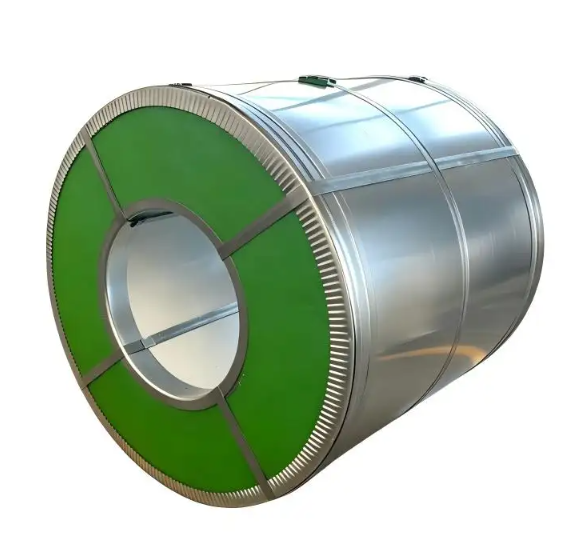
2026/09/10
Learn why heavy coating galvalume steel coil provides superior corrosion resistance in harsh coastal settings and saves long-term maintenance costs.
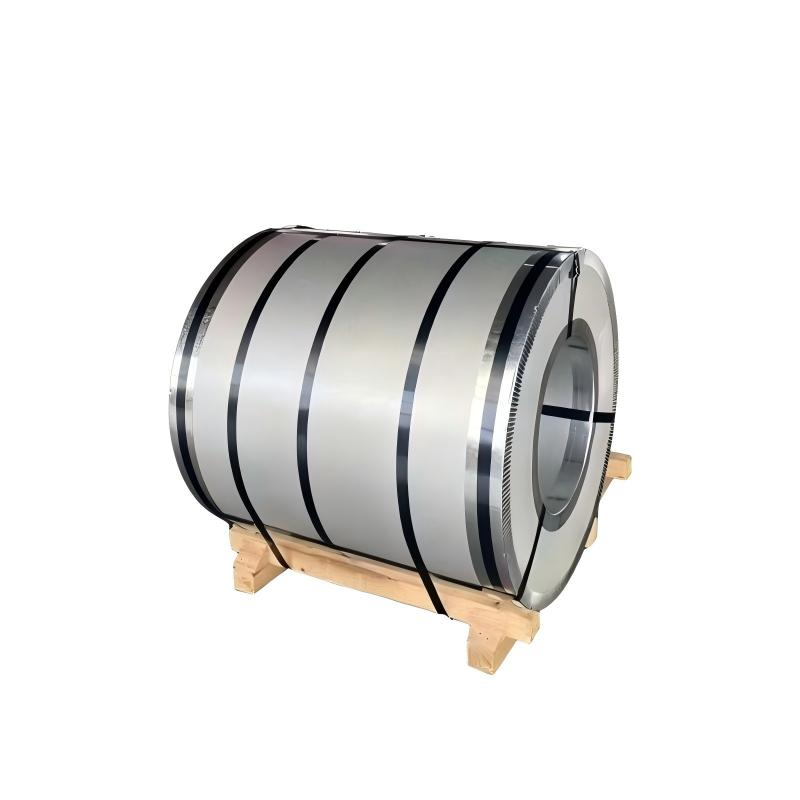
2026/09/10
Learn how to test the bending performance of formable galvalume steel coil samples using T-bend testing to prevent cracking and scrap.
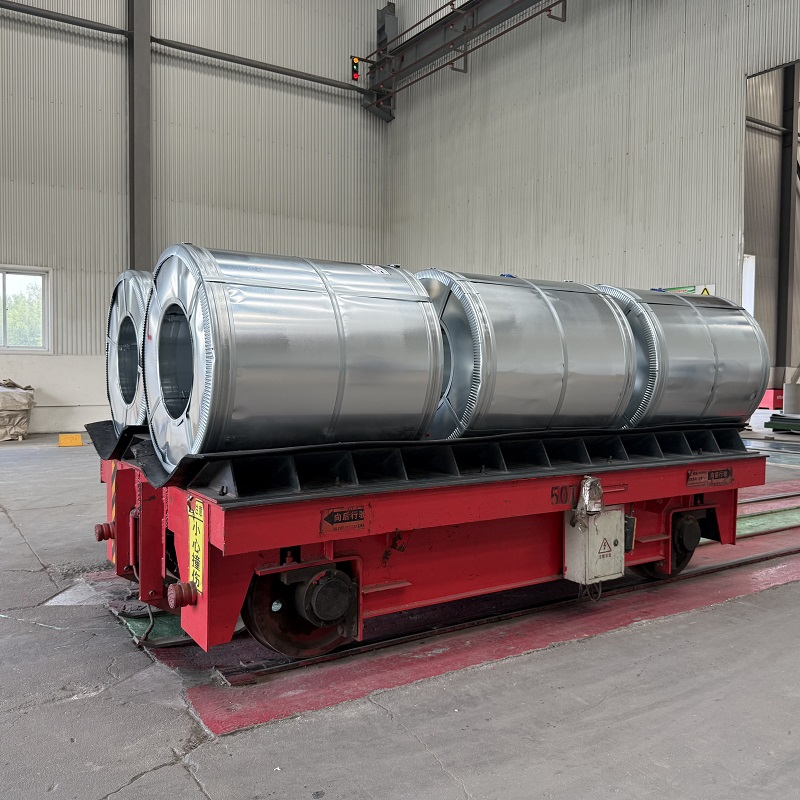
2026/09/10
Discover how multi specification galvalume steel coil simplifies purchasing, boosts productivity, and lowers costs for metal fabricators.
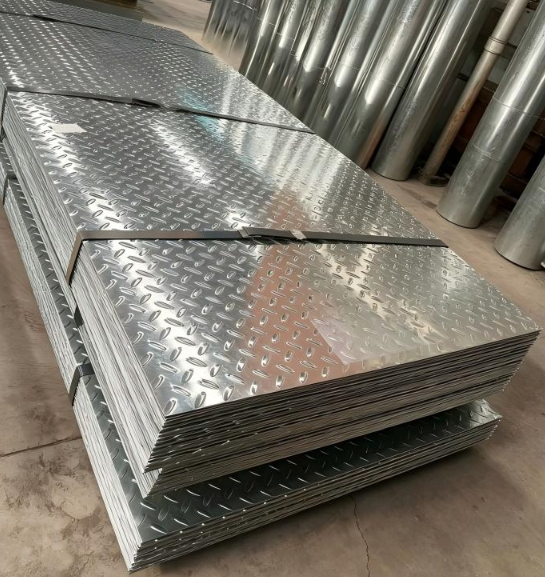
2026/09/10
Discover why hot dipped galvanized steel and hot dip galvanized checkered plate offer ideal corrosion resistance and strength for road guardrails.
Covering green transformation, product comparison, selection guide, and industry empowerment, helping you fully grasp the dynamics of the color steel industry.

Global climate action and Belt and Road cooperation are driving the color steel industry’s shift toward green, sustainable development.

Comparing PPGI and PPGL across performance, durability, and applications to help you select the optimal coated steel for your project.
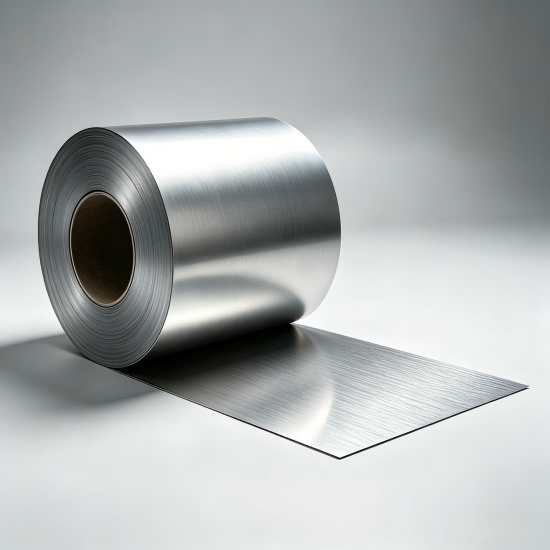
A practical guide to selecting and applying color steel coils, ensuring optimal performance, durability, and cost-effectiveness for your projects.
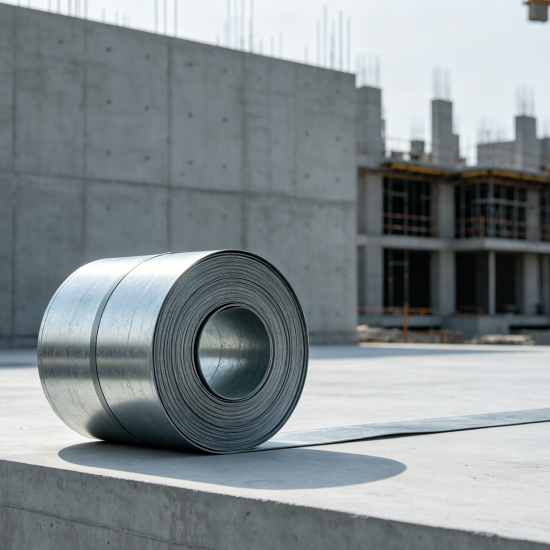
Industry forum drives digital and green transformation, empowering steel sector development through innovation and collaboration.