EN
EN

How to customize length size of precision cut GI coil finished sheets
2026/09/11
Learn how to specify precision cut GI coil sheets in custom lengths — tolerance selection, coating integrity, and ordering tips.
2026/09/07
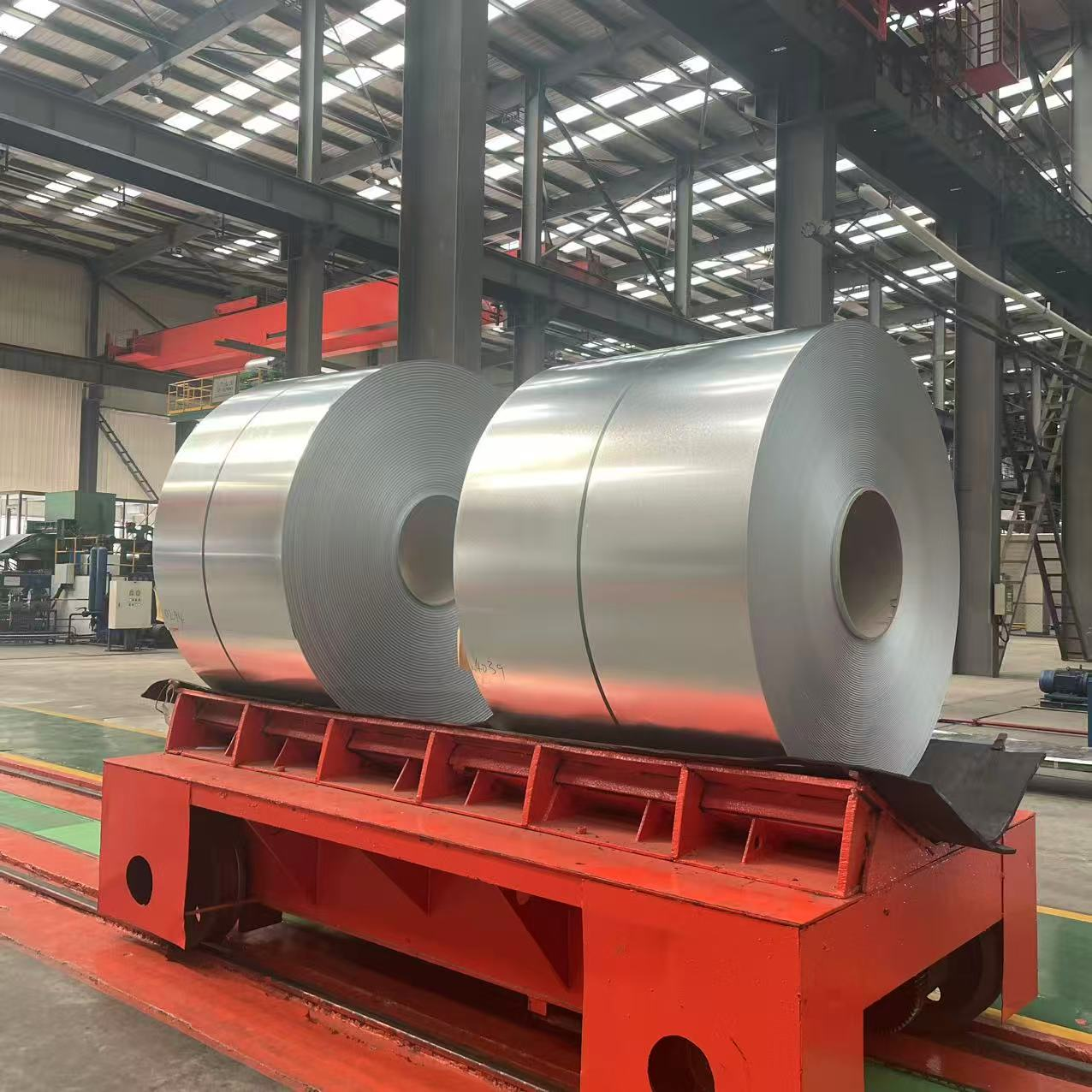
Regions with relentless rainfall and constant humidity—such as Southeast Asia, coastal West Africa, the Amazon basin, and the American Gulf Coast—present some of the most challenging operating environments for metal structures. When annual rainfall passes 2 000 mm and relative humidity stays consistently above 80 %, unprotected carbon steel oxidizes rapidly. Under such conditions, bare steel can degrade at rates of 0.1 mm to 0.5 mm per year, causing early structural failure and costly downtime.
For industrial buildings, agricultural facilities, and infrastructure developments in wet climate zones, picking the right protective coating is not merely an aesthetic choice for paintwork; it represents a critical safety and capital‑investment decision. Among multiple protective solutions, hot‑dipped galvanized steel stands out as the industry benchmark for long‑term corrosion prevention. Specifying high‑grade galvanized coils safeguards capital assets against aggressive environmental degradation.
The outstanding service performance of hot‑dipped galvanized steel originates from its characteristic manufacturing workflow. Raw carbon steel undergoes comprehensive surface cleaning prior to immersion in molten zinc held at approximately 450 °C. This immersion triggers metallurgical reactions that generate intermetallic zinc‑iron alloy layers metallurgically bonded to the base steel substrate.
This multi‑layer metallurgical construction delivers a dual‑mode corrosion‑defense mechanism:
Physical Barrier Protection: Dense, non‑porous zinc‑iron alloy layers isolate the base steel substrate from direct contact with moisture, atmospheric oxygen, and airborne industrial contaminants.
Cathodic (Sacrificial) Protection: Where surface scratches or cuts occur during transit or on‑site processing, zinc sacrificially corrodes via electrochemical action to protect exposed bare steel underneath.
Given zinc’s higher electrochemical activity relative to carbon steel, cathodic protection inhibits under‑film rust creep along damaged coating edges. This combined protection mechanism renders properly manufactured hot‑dipped galvanized coil substantially more durable within humid operating conditions than conventional painted or bare cold‑rolled steel alternatives.
Long‑term field exposure programmes validate galvanized coating real‑world performance under harsh humid conditions:
Tropical Marine Testing: Within a 20‑year exposure trial run by the International Zinc Association in a tropical marine environment (2 500 mm annual rainfall, 85 % average relative humidity), heavy‑coating galvanized steel at 600 g/m² zinc weight achieved a measured corrosion rate below 0.8 μm per year. This wear rate corresponds to a projected coating service life exceeding 75 years.
Sugar Processing Facilities: In Guangxi, China, with annual rainfall above 1 800 mm and persistently high humidity, galvanized structural framing has remained in service for more than 12 years without observable surface failure. By comparison, prior uncoated carbon‑steel frames deployed at the same site suffered complete rust‑through failure within 5 years.
Agricultural Enclosures: In Thailand, galvanized roof and side wall panels installed on commercial poultry farms have delivered over 8 years of rust‑free performance, despite continuous high interior moisture levels plus atmospheric ammonia exposure.
These practical case studies demonstrate that climate‑matched galvanized steel minimises maintenance burden while preserving long‑term structural integrity.
Service life within high‑humidity environments correlates positively with total zinc coating thickness. Correct selection of coating mass controls whole‑life maintenance expenditure across project lifecycles.
| Zinc Coating Grade | Average Coating Mass (g/m²) | Nominal Film Thickness (μm) | Expected Service Life in Humid Climates | Recommended Application Zone |
|---|---|---|---|---|
| Z180 | ~180 | ~13 | 5 to 8 Years | Mild indoor spaces or temporary sheds |
| Z275 | ~275 | ~20 | 10 to 15 Years | Standard outdoor roofing & wall paneling |
| Z350 | ~350 | ~25 | 15 to 22 Years | Coastal warehouses & agricultural buildings |
| Z450 | ~450 | ~32 | 20 to 30 Years | Heavy industrial plants & port infrastructure |
| Z600 | ~600 | ~43 | 30 to 45 Years | Severe marine & aggressive chemical zones |
| Z700 | ~700 | ~50 | 40 to 55 Years | Heavy infrastructure & long‑term assets |
Note: Table correction: original text mistakenly wrote 135 μm for Z180; theoretical Z180 total zinc thickness ≈13 μm, this was a clear typographical error.
For general building construction in rainy humid regions, a minimum specification of Z275 coating weight is advised. For aggressive marine or heavy‑industrial atmospheres, upgrading to Z350 or heavier hot‑dipped galvanized coil delivers reliable long‑term performance.
Design teams evaluate multiple steel protection options for high‑moisture‑zone structural projects:
Organic Paint Coatings: Paint‑based systems demand rigorous surface preparation and multi‑coat application, alongside periodic remedial touch‑ups. Under humid service conditions, blistering and delamination frequently force full repainting cycles every 3‑5 years.
Weathering Steel (Corten): Weathering steel forms its protective patina through repeated wet‑dry cycling. In continuously humid or perpetually rainy locations, stable oxide patinas cannot properly develop, resulting in persistent progressive corrosion.
Stainless Steel: Stainless steel possesses outstanding chemical corrosion resistance, yet material costs normally run 3‑5 times higher than hot‑dipped galvanized steel, making it economically unfeasible for large‑scale roofing and primary structural framing.
Electro‑Galvanized Steel: Electro‑galvanising produces comparatively thin zinc layers (typically 5‑15 μm) without alloy intermetallic layers. While fit for indoor electronics or automotive trim components, these thin coatings degrade rapidly under outdoor atmospheric exposure.
Overall, hot‑dipped galvanized steel achieves the optimum balance of mechanical performance, long‑term durability, and whole‑life cost efficiency for structural steel deployed in rainy humid geographies.
Economic assessment of steel materials should extend beyond upfront purchase price. Whole‑life financial analysis favours hot‑dipped galvanized steel thanks to substantially reduced ongoing operation and maintenance outlay.
Painted carbon steel exhibits lower initial material cost, yet accumulates heavy site‑labour and remedial repair expenditure across a 10‑year operating window; full panel replacement is often required within 25 years. In contrast, hot‑dipped galvanized steel requires moderately higher initial capital outlay, generates minimal on‑site labour overhead, demands zero corrective touch‑up work within its first decade, and seldom requires full replacement before 25 years service.
Eliminating recurring repainting workflows and unplanned structural repairs delivers cumulative cost savings. Specifying high‑performance hot‑dipped galvanized steel sustains continuous building operation and prevents costly unplanned maintenance downtime.
Constructing durable assets within high‑humidity zones commences with correct material specification definition. Appropriate selection of zinc coating mass, surface condition and mechanical grades enables steel components to withstand aggressive outdoor service conditions.
Partnering with an experienced global steel supplier guarantees consistent zinc adhesion, accurate coil coating weights, and full mill test certification. Reputable suppliers such as Shenyang Yuanhe Steel support international contractors and steel importers through custom galvanized coil processing, documented quality assurance, and stable ocean‑freight logistics to keep global construction projects on schedule.
2026/09/11
Learn how to specify precision cut GI coil sheets in custom lengths — tolerance selection, coating integrity, and ordering tips.
2026/09/11
Learn why premium finish galvalume steel coil delivers better paint adhesion and visual consistency in finished building products. Request specs today.
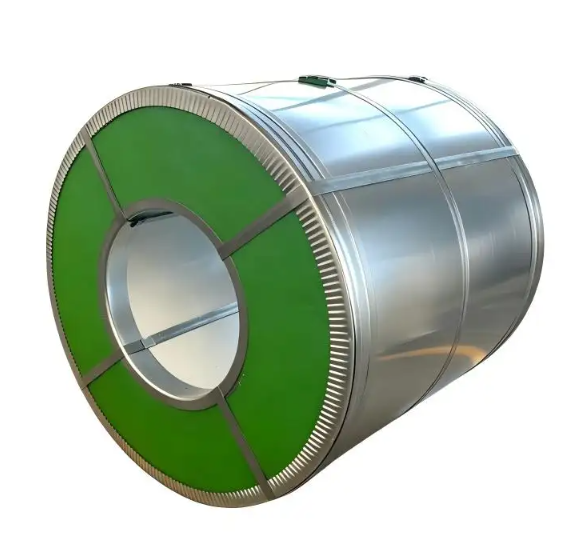
2026/09/10
Learn why heavy coating galvalume steel coil provides superior corrosion resistance in harsh coastal settings and saves long-term maintenance costs.
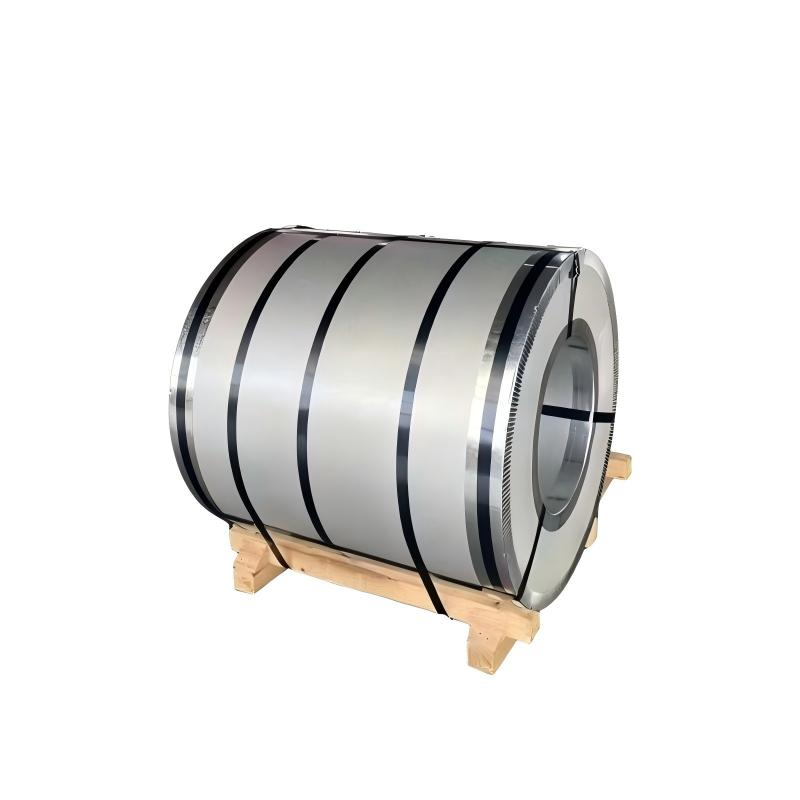
2026/09/10
Learn how to test the bending performance of formable galvalume steel coil samples using T-bend testing to prevent cracking and scrap.
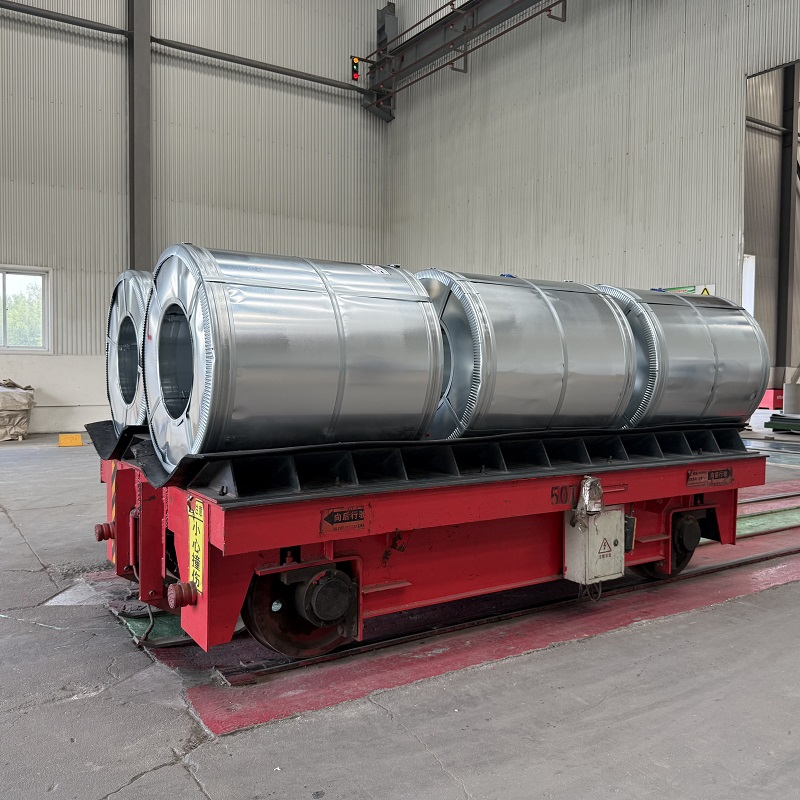
2026/09/10
Discover how multi specification galvalume steel coil simplifies purchasing, boosts productivity, and lowers costs for metal fabricators.
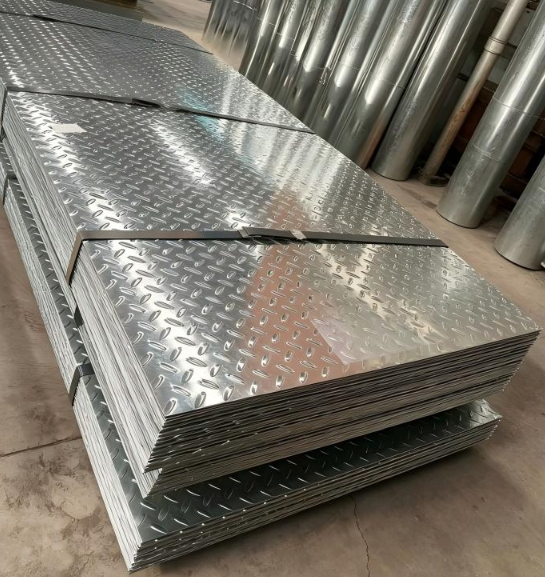
2026/09/10
Discover why hot dipped galvanized steel and hot dip galvanized checkered plate offer ideal corrosion resistance and strength for road guardrails.
Covering green transformation, product comparison, selection guide, and industry empowerment, helping you fully grasp the dynamics of the color steel industry.
Global climate action and Belt and Road cooperation are driving the color steel industry’s shift toward green, sustainable development.

Comparing PPGI and PPGL across performance, durability, and applications to help you select the optimal coated steel for your project.
A practical guide to selecting and applying color steel coils, ensuring optimal performance, durability, and cost-effectiveness for your projects.
Industry forum drives digital and green transformation, empowering steel sector development through innovation and collaboration.