EN
EN

How to customize length size of precision cut GI coil finished sheets
2026/09/11
Learn how to specify precision cut GI coil sheets in custom lengths — tolerance selection, coating integrity, and ordering tips.
2026/09/09
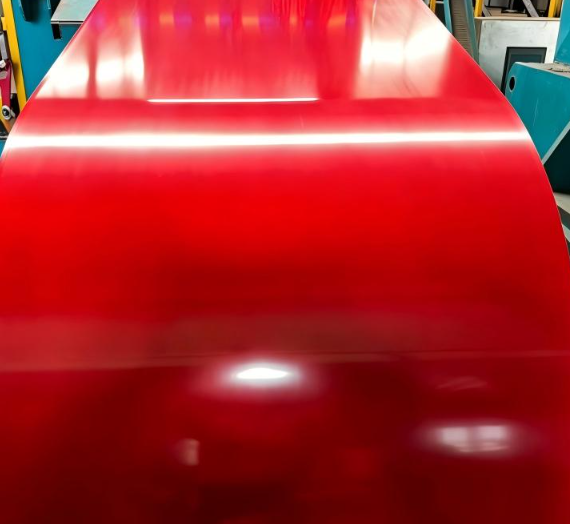
When specifying materials for long-span roofing or facade cladding, structural engineers typically prioritize load capacity, tensile strength, and corrosion resistance during early planning stages. However, one critical specification that quietly determines the functional lifespan and energy performance of a building envelope is the color choice of the prepainted galvanized steel coil. Across industrial construction projects in Southeast Asia, the Middle East, Africa, and South America, selecting a surface shade based purely on aesthetic preference frequently causes early coating breakdown, excessive indoor heat accumulation, and frustrating maintenance expenses.
Understanding the complex connection between surface pigments, ultraviolet radiation, and thermal dynamics allows engineers and procurement teams to select color coated galvanized steel coil solutions that deliver both long-term structural integrity and high visual appeal.
The surface temperature of a prepainted galvanized steel coil under direct, unshaded sunlight depends primarily on its solar reflectance index. Light-colored surfaces, such as brilliant white, off-white, light gray, and warm beige, naturally bounce away 60% to 80% of incoming solar radiation. Under identical climate conditions, a light prepainted galvanized steel coil maintains a core substrate temperature 20°C to 30°C cooler than a dark-colored alternative.
In humid tropical climates, midday roof temperatures on dark metal sheets frequently spike above 80°C. Deploying a light-toned color coated galvanized steel coil reduces thermal expansion stress on fasteners while lowering building cooling energy consumption by 15% to 25%. This thermal advantage is particularly critical in large-scale logistics warehouses, agricultural storage facilities, and manufacturing plants where climate control directly impacts operational overhead.
Conversely, cold climate zones benefit from the opposite thermal behavior. In sub-zero regions, dark-toned PPGI coil products absorb ambient solar radiation, helping melt accumulated ice and snow on roof pitches. Accelerating snowmelt prevents heavy ice dam formation around eaves and drainage gutters, protecting the roof structure from structural overloading and water backup during seasonal freeze-thaw cycles.
Not all organic coating pigments react identically when subjected to continuous ultraviolet exposure. In high-altitude regions where UV radiation is significantly stronger than at sea level, standard polyester coatings applied to color coated galvanized steel coil panels can begin chalking, dulling, and flaking within 18 months of installation.
Ultraviolet photons break down chemical bonds within low-grade binder resins, causing microscopic surface degradation. When selecting a prepainted galvanized steel coil for intense UV environments, high-durability polyester or polyvinylidene fluoride finishes engineered with inorganic ceramic pigments provide superior color retention. Ceramic pigments reflect UV radiation rather than absorbing it, maintaining gloss levels above 70% even after a decade of harsh equatorial exposure.
Consider a solar farm installation located in an arid desert environment. Standard red polyester-coated perimeter cladding experienced rapid color fading and surface chalking in less than 18 months due to intense solar radiation and airborne sand abrasion. Upgrading the specification to a high-durability polyester PPGI coil in the exact same RAL shade resolved the issue, maintaining full color fidelity and surface integrity across years of continuous desert exposure.
Modern green building codes in warm climates increasingly mandate official cool roof certification for commercial structures. Fortunately, dark aesthetic choices no longer require compromising thermal efficiency, thanks to advanced infrared-reflective pigment technology. A modern prepainted galvanized steel coil engineered with a cool roof coating can reflect invisible near-infrared radiation while absorbing visible light waves.
This technology allows a dark brown or charcoal gray PPGI coil to achieve a solar reflectance index comparable to light-colored surfaces. By reflecting up to 45% of invisible thermal energy, a cool roof coating keeps dark roof panels significantly cooler than standard dark coatings. Architects can specify rich, dark tones for modern industrial facades while maintaining strict energy compliance and minimizing urban heat island effects.
Matching the right prepainted galvanized steel coil specification to specific regional weather patterns ensures optimal long-term value:
Tropical Humid Environments: Specify white, off-white, or light gray shades paired with a high-durability polyester or PVDF cool roof coating to maintain a solar reflectance index of 80 or higher.
Arid Desert Regions: Choose light to medium earthy tones featuring PVDF resins with infrared-reflective pigments, targeting a solar reflectance index above 70 to withstand high heat and abrasive sand.
Cold and Snowy Climates: Select dark blue, forest green, or dark red shades with silicon-modified polyester or high-durability polyester coatings, maintaining a lower solar reflectance index (30 or below) to encourage winter solar heat gain.
Temperate Mixed Climates: Utilize medium gray, cream, or light brown tones paired with silicon-modified polyester coatings, keeping solar reflectance index values balanced between 40 and 60 for year-round stability.
High-Altitude Work Sites: Require light-colored PVDF or high-durability polyester formulations built exclusively with inorganic ceramic pigments to resist high-intensity UV exposure.
Achieving consistent color accuracy across thousands of square meters of prepainted galvanized steel coil requires precise temperature control and rigorous coating line calibration. Minor variations in dry film thickness or curing oven temperatures can cause noticeable color shifting across adjacent roof panels, disrupting the visual uniformity of a completed building.
At Shenyang Yuanhe, continuous automated coil coating lines enforce tight tolerances on dry film thickness, zinc layer adhesion, and surface hardness. Every batch of color coated galvanized steel coil undergoes rigorous spectrophotometer testing to guarantee precise alignment with standardized RAL color systems. Backed by extensive raw material reserves exceeding 10,000 tons and an agile processing workshop, Shenyang Yuanhe delivers custom-colored PPGI coil orders within flexible 6-to-14-day lead times. This integrated manufacturing capability supports urgent infrastructure projects, industrial parks, and commercial developments across global markets without compromising quality or compliance.
Making an informed color choice for a prepainted galvanized steel coil goes beyond surface appearance. By evaluating regional UV exposure, thermal dynamics, and cool roof coating technologies, engineering teams can specify color coated galvanized steel coil solutions that maximize building performance, lower lifetime operating costs, and maintain aesthetic appeal for decades.
2026/09/11
Learn how to specify precision cut GI coil sheets in custom lengths — tolerance selection, coating integrity, and ordering tips.
2026/09/11
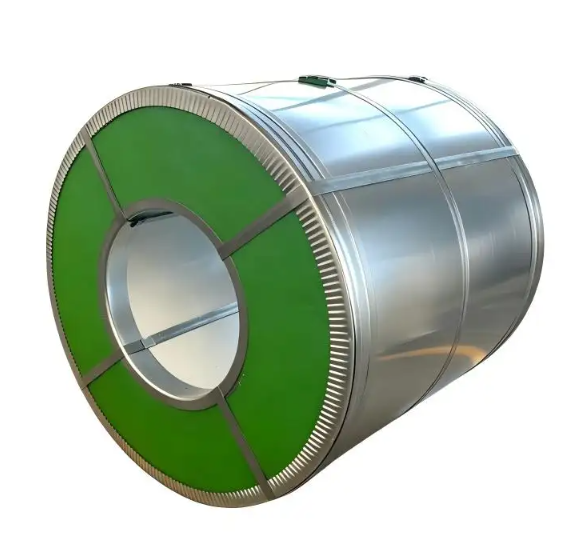
Learn why premium finish galvalume steel coil delivers better paint adhesion and visual consistency in finished building products. Request specs today.
2026/09/10
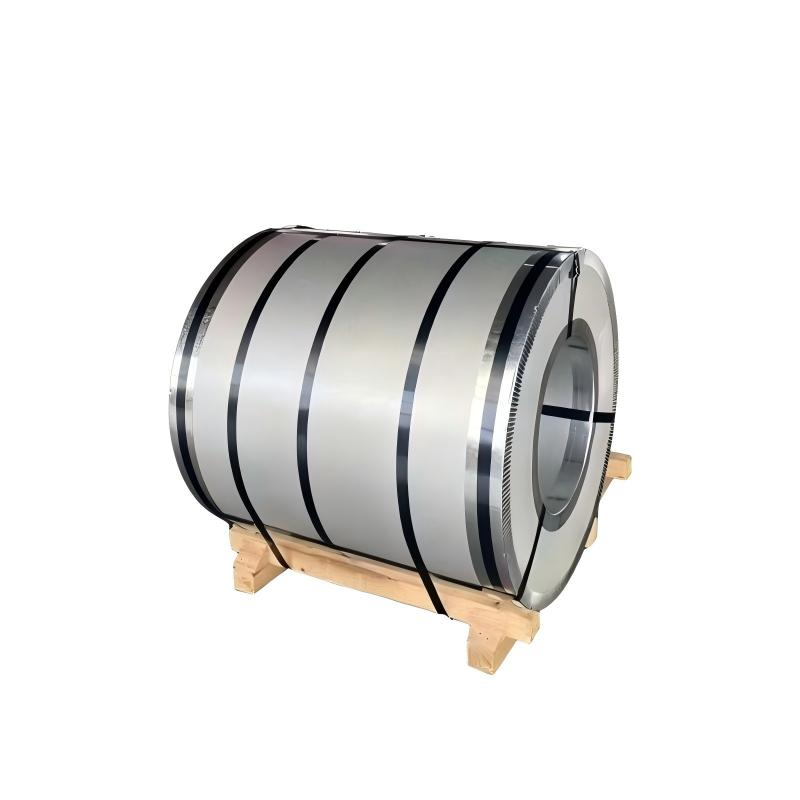
Learn why heavy coating galvalume steel coil provides superior corrosion resistance in harsh coastal settings and saves long-term maintenance costs.
2026/09/10
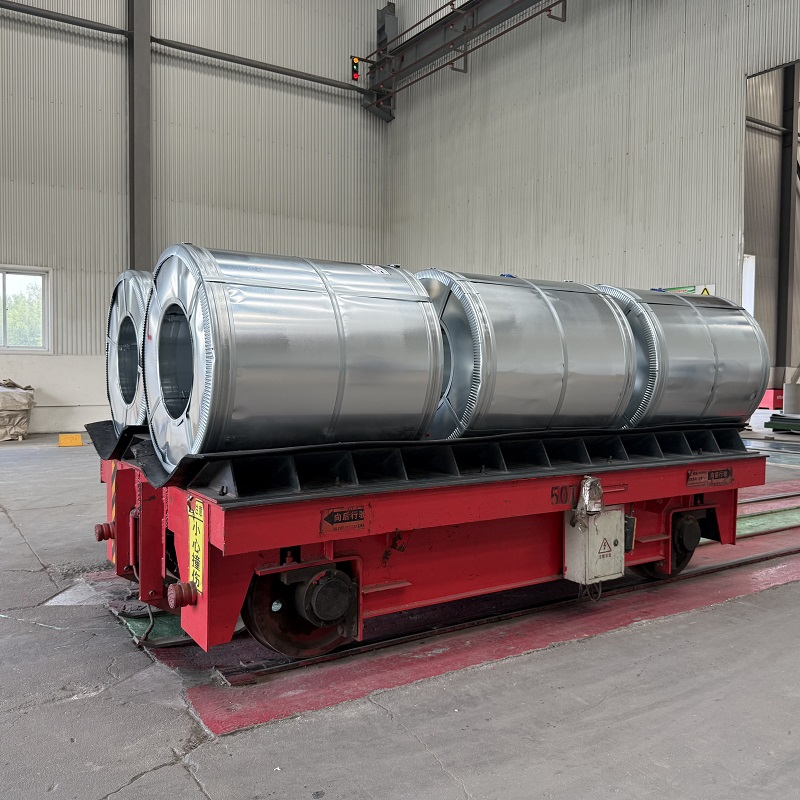
Learn how to test the bending performance of formable galvalume steel coil samples using T-bend testing to prevent cracking and scrap.
2026/09/10
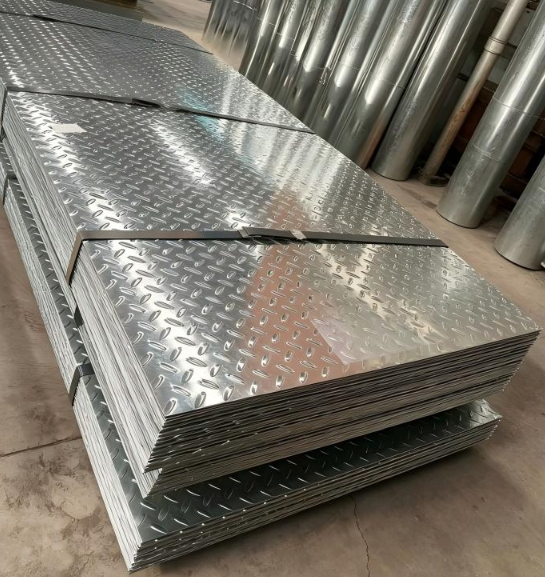
Discover how multi specification galvalume steel coil simplifies purchasing, boosts productivity, and lowers costs for metal fabricators.
2026/09/10
Discover why hot dipped galvanized steel and hot dip galvanized checkered plate offer ideal corrosion resistance and strength for road guardrails.
Covering green transformation, product comparison, selection guide, and industry empowerment, helping you fully grasp the dynamics of the color steel industry.
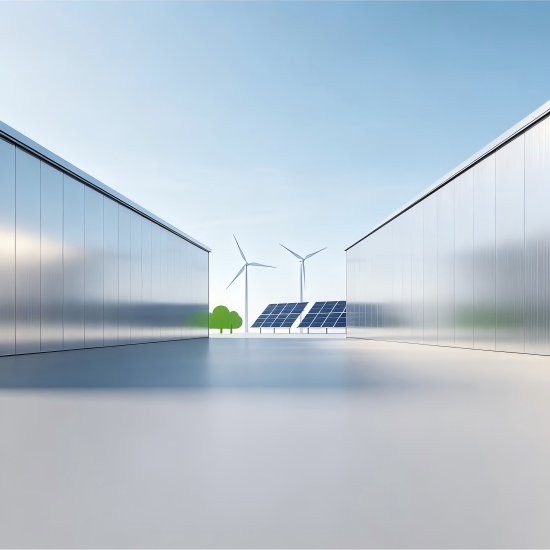
Global climate action and Belt and Road cooperation are driving the color steel industry’s shift toward green, sustainable development.

Comparing PPGI and PPGL across performance, durability, and applications to help you select the optimal coated steel for your project.
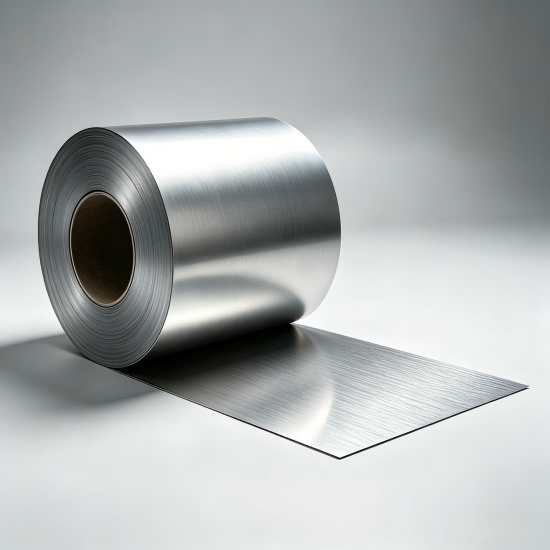
A practical guide to selecting and applying color steel coils, ensuring optimal performance, durability, and cost-effectiveness for your projects.
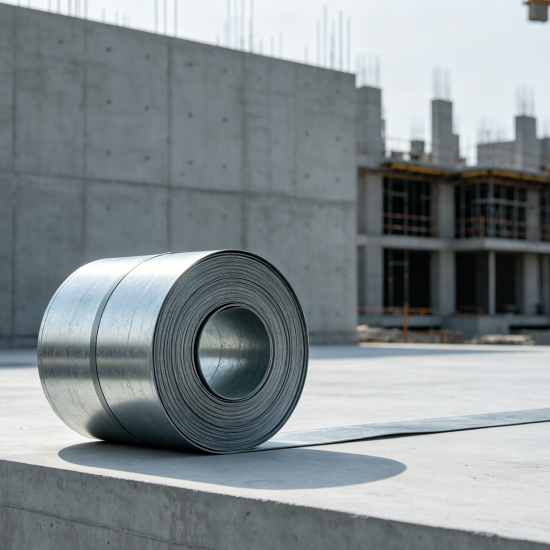
Industry forum drives digital and green transformation, empowering steel sector development through innovation and collaboration.