EN
EN

How to customize length size of precision cut GI coil finished sheets
2026/09/11
Learn how to specify precision cut GI coil sheets in custom lengths — tolerance selection, coating integrity, and ordering tips.
2026/08/24
On a scorching summer afternoon in the Gulf, a dark metal roof surface can easily reach 80 to 90 degrees Celsius. The steel expands, coatings age faster under brutal UV radiation, and every night the roof cools back down, creating a relentless thermal cycle repeated thousands of times a year. Roofing materials that survive this environment must be exceptionally engineered. For modern architectural and industrial projects, ppgl for metal roofing has become the gold standard.
PPGL—which stands for prepainted 55% aluminum-zinc coated steel—combines a heat-stable metallic substrate with high-performance paint systems. From Riyadh warehouses to Southeast Asian factories, understanding how a premium finish ppgl coil performs feature by feature reveals why it is the definitive solution for high-heat regions.
Roof temperature is drastically different from air temperature. Intense solar radiation can push dark bare steel 40 to 50 degrees Celsius above ambient levels, while standard painted roofs routinely operate above 70 degrees Celsius.
Sustained heat accelerates the thermal oxidation of paint while amplifying UV damage. Furthermore, a 60-degree daily temperature swing causes a steel sheet to expand and contract by roughly 1.2 mm per meter of length. A metal roofing material built for hot climates must simultaneously withstand extreme heat, aggressive UV radiation, and continuous cyclic movement without failing.
Beneath the protective paint layer, a quality ppgl coil substrate is inherently heat resistant. Hot-dip aluminum-zinc coatings retain their protective function at sustained service temperatures up to approximately 315 degrees Celsius. In contrast, standard galvanized zinc coatings can oxidize and flake at prolonged temperatures above roughly 200 degrees Celsius.
While roof surfaces rarely reach those extreme limits, the thermal margin matters immensely. At everyday roof temperatures, the aluminum-rich alloy layer remains completely stable. Its aluminum-rich oxide actively reflects infrared rays while resisting the thermal oxidation that slowly degrades pure zinc in desert environments.
The top coat is where ordinary products and a premium finish ppgl coil truly separate. PVDF (fluorocarbon) and high-durability polyester (HDP, often silicone-modified) top coats are specifically formulated to resist thermal oxidation and UV rays.
The strong fluorine-carbon bonds in PVDF barely react with intense heat or direct sunlight. This ensures that a high-grade ppgl surface maintains its vibrant color and gloss for 15 to 20 years under harsh desert sun, whereas ordinary polyester films can begin chalking in as little as four to six years. Incorporating heat-reflective pigments and cool-roof technology further lowers the actual film temperature.
Modern metal roofing relies heavily on high solar-reflectance coatings. While a conventional dark roof absorbs most incoming solar energy, a cool-color ppgl finish reflects a significant portion of it, dropping surface temperatures by 10 to 20 degrees Celsius on identical days.
This thermal reduction cools the building interior, slashes HVAC energy loads, and slows the chemical aging of the paint itself. For any premium finish ppgl coil, reflective mineral-white and light-gray shades yield the highest solar reflectance values, protecting both the structure and the coating investment.
Steel expands by roughly 12 micrometers per meter for every degree Celsius. A Gulf roof cycling between 20-degree nights and 85-degree afternoons stretches and contracts daily, accumulating over 7,000 cycles across 20 years.
Paint systems applied to ppgl for metal roofing undergo rigorous testing for this exact stress. A T-bend flexibility rating of 0T to 2T on premium systems, combined with superior reverse-impact resistance, ensures the paint film flexes dynamically with the substrate rather than developing micro-cracks. Once a coating cracks, moisture reaches the steel and structural service life collapses.
Heat and UV radiation destroy aesthetic appeal through rapid chalking and fading. A premium finish ppgl coil is evaluated using color difference metrics after extensive QUV-A accelerated weathering tests. Leading coating systems remain remarkably stable even after simulated decades of exposure. For owners of large warehouses, logistics hubs, and manufacturing facilities, this visual retention safeguards brand value and exterior appeal.
Delivering reliable roofing solutions to extreme climates requires robust manufacturing capabilities, strict international compliance, and efficient global logistics. Yuanhe stands as a trusted industry manufacturer specializing in high-grade ppgl and PPGI coils produced strictly to ASTM A653 and JIS G3302 standards.
Offering thickness options ranging from 0.09 mm to 1.5 mm alongside diverse coating weights, Yuanhe maintains an extensive inventory exceeding 10,000 tons. Backed by rapid 6 to 14 day delivery schedules, rigorous three-layer quality inspections, and advanced in-house slitting, cutting, and leveling services, Yuanhe supplies heat-ready premium finish ppgl coil products to industrial projects across the Middle East, Central Asia, and Southeast Asia.
Yes, desert environments are among its most effective applications. When specified with a PVDF or HDP finish in a reflective color, ppgl roofing easily withstands sustained high surface temperatures, intense UV exposure, and daily thermal cycling.
Reflective colors lower roof surface temperatures by 10 to 20 degrees Celsius, measurably reducing heat transfer into the building interior. While exact energy savings depend on local insulation and ventilation, cooler roofs consistently decrease peak cooling loads while extending coating durability.
For severe heat and UV exposure, industry experts recommend a total paint system consisting of a 20 to 25 micrometer top coat plus a specialized corrosion-resistant primer in PVDF or HDP formulations. Thinner commodity films save very little upfront cost per square meter and degrade years earlier.
2026/09/11
Learn how to specify precision cut GI coil sheets in custom lengths — tolerance selection, coating integrity, and ordering tips.
2026/09/11
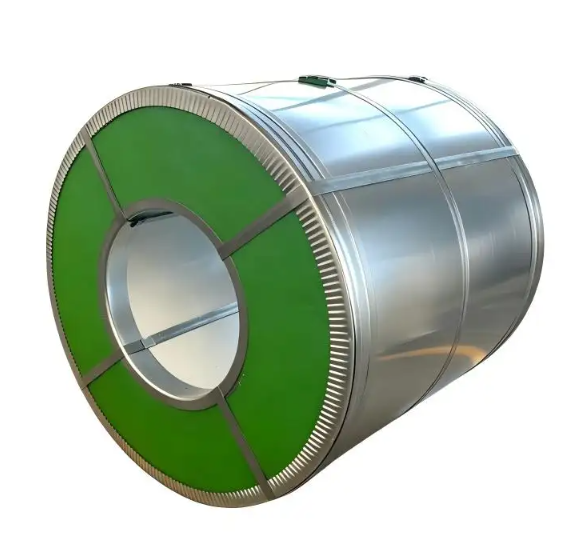
Learn why premium finish galvalume steel coil delivers better paint adhesion and visual consistency in finished building products. Request specs today.
2026/09/10
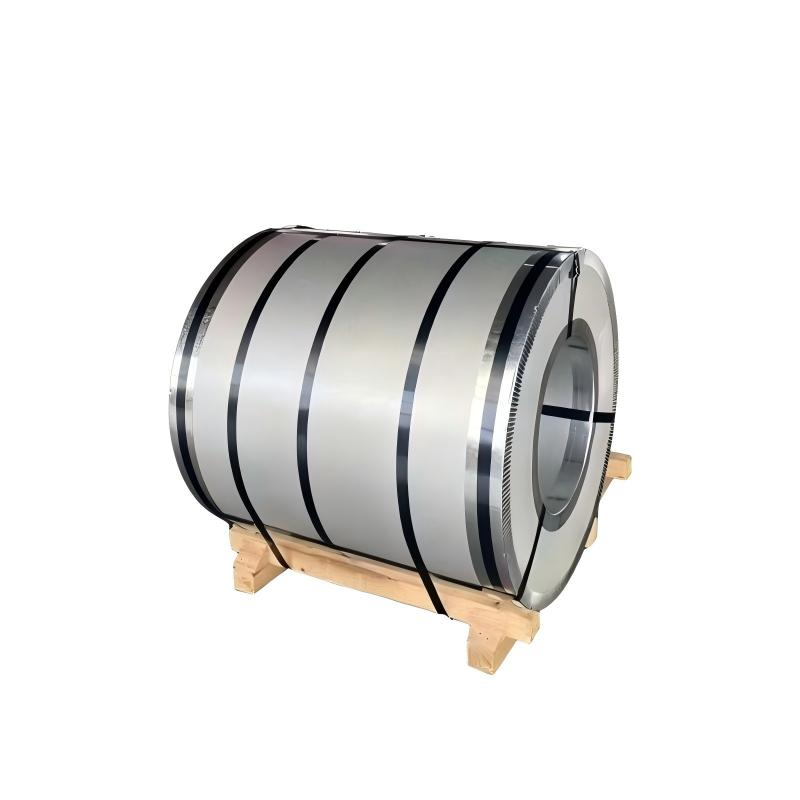
Learn why heavy coating galvalume steel coil provides superior corrosion resistance in harsh coastal settings and saves long-term maintenance costs.
2026/09/10
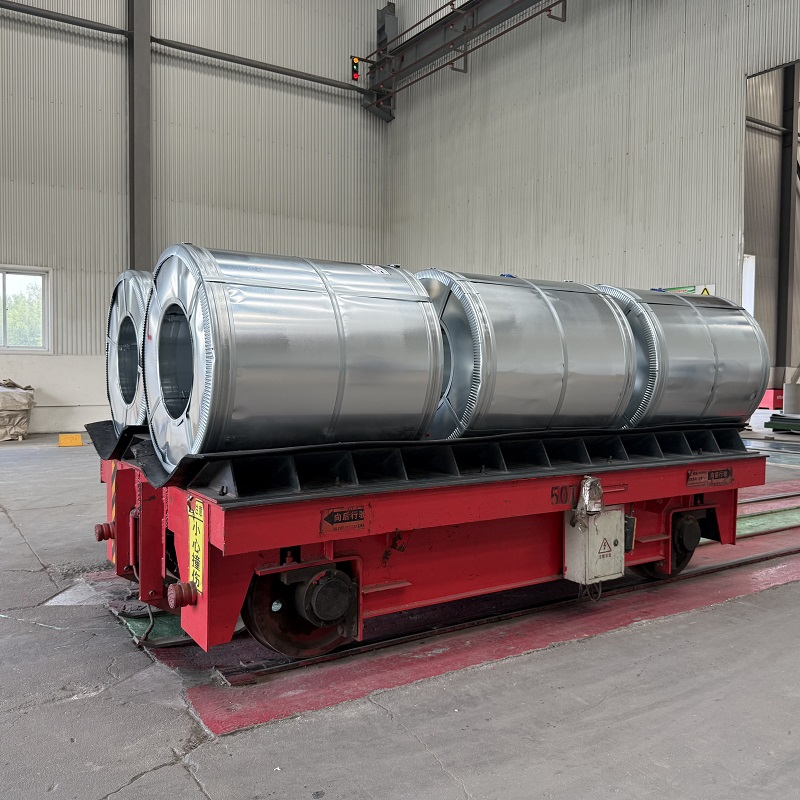
Learn how to test the bending performance of formable galvalume steel coil samples using T-bend testing to prevent cracking and scrap.
2026/09/10
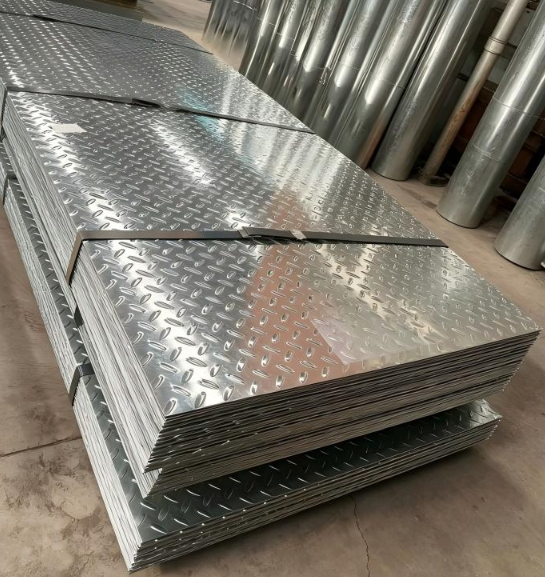
Discover how multi specification galvalume steel coil simplifies purchasing, boosts productivity, and lowers costs for metal fabricators.
2026/09/10
Discover why hot dipped galvanized steel and hot dip galvanized checkered plate offer ideal corrosion resistance and strength for road guardrails.
Covering green transformation, product comparison, selection guide, and industry empowerment, helping you fully grasp the dynamics of the color steel industry.
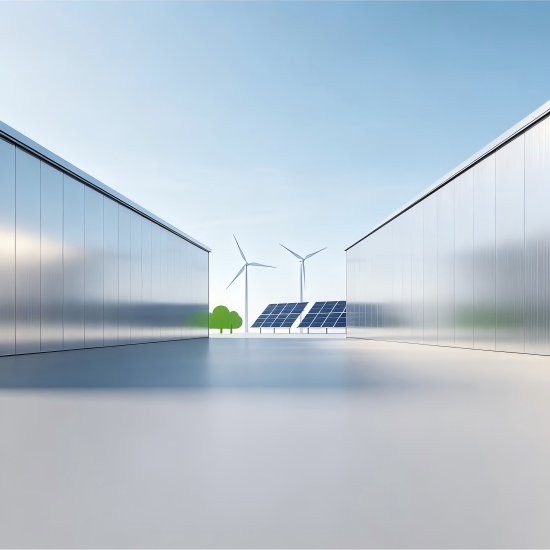
Global climate action and Belt and Road cooperation are driving the color steel industry’s shift toward green, sustainable development.

Comparing PPGI and PPGL across performance, durability, and applications to help you select the optimal coated steel for your project.
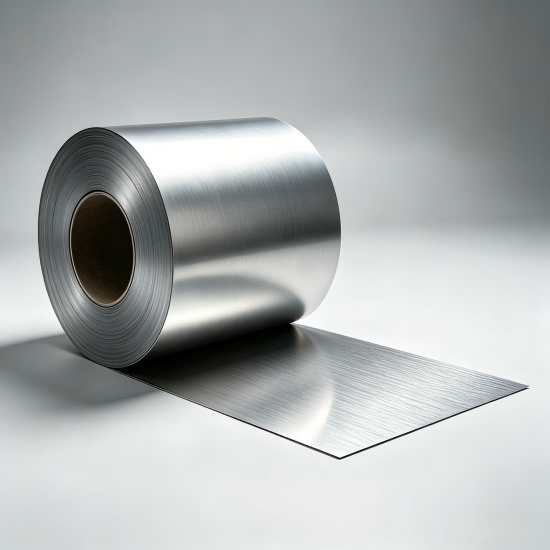
A practical guide to selecting and applying color steel coils, ensuring optimal performance, durability, and cost-effectiveness for your projects.
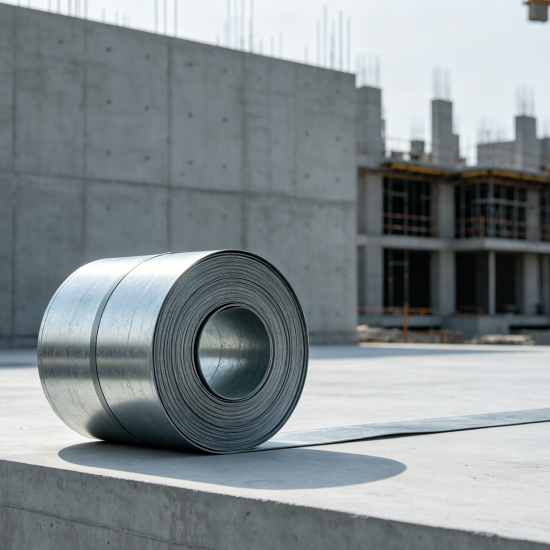
Industry forum drives digital and green transformation, empowering steel sector development through innovation and collaboration.