EN
EN

How to customize length size of precision cut GI coil finished sheets
2026/09/11
Learn how to specify precision cut GI coil sheets in custom lengths — tolerance selection, coating integrity, and ordering tips.
2026/08/24
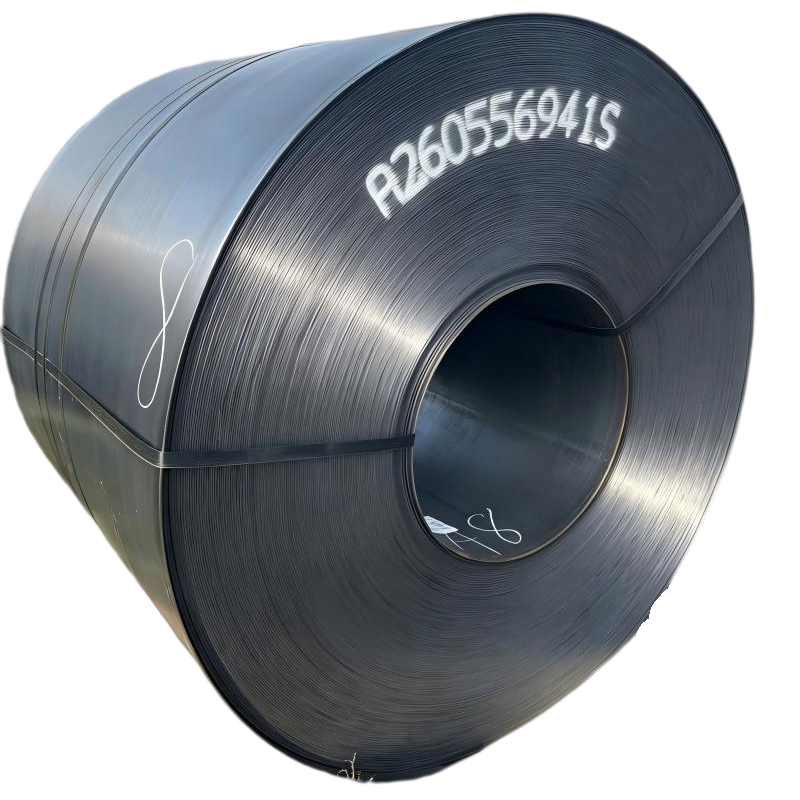
PPGL — prepainted galvalume steel — arrives on site with a factory-baked paint system sitting on top of an aluminum-zinc coating. Because the substrate itself fights rust, many project engineers assume the sheet is bulletproof and skip every form of supplementary protection. Others, burned by premature rust stains on a previous job, specify expensive anti-rust primers on every panel just to be safe. After more than five years of supplying PPGL coils to builders across Southeast Asia, the Middle East and Africa, our technical team has seen both mistakes waste money. The honest answer is nuanced: a PPGL steel coil usually needs no extra anti-rust treatment before installation, yet specific locations on the building — and specific climates — genuinely do. This article explains exactly where to draw the line, so you spend protection budget only where corrosion can actually attack.
The corrosion resistance of PPGL comes from two stacked layers. Under the paint sits an aluminum-zinc alloy coating — typically 55% aluminum, 43.4% zinc and 1.6% silicon — applied by continuous hot dipping and graded in coating weights from AZ20 up to AZ275 (grams per square meter, total both sides). The aluminum fraction forms a dense oxide barrier that seals the steel from air and moisture, while the zinc fraction provides sacrificial protection at scratches and cut edges. Above that, the baked polyester, SMP or PVDF paint film blocks ultraviolet light and rain. Exposure data compiled under ASTM A792 testing programs shows that bare galvalume steel corrodes two to six times more slowly than ordinary galvanized steel of similar coating weight, and adding a paint system extends service life further — often beyond 20 years in moderate environments. In other words, an anti-corrosion galvalume steel coil is already a fully treated product by the time it leaves the mill, which is the core reason most PPGL installations need nothing more.
In our export experience, the following conditions describe projects where PPGL can be installed with no additional anti-rust treatment at all. Print this checklist and compare it against your site:
If five or six of these statements describe your project, extra treatment adds cost without measurable benefit. Upgrading the specification itself — moving from AZ60 to AZ150 substrate coating, for example — usually delivers far more corrosion life per dollar than any post-fabrication painting campaign.
Now the other side of the ledger. Certain exposures overwhelm even a high-quality PPGL product, and that is where targeted treatment earns its keep. The table below matches each risk to a practical countermeasure:
|
Risk situation |
Why corrosion risk rises |
Practical countermeasure |
|
Coastal sites within 1–2 km of the sea |
Chloride salts attack cut edges and fastener holes |
Touch-up paint on cut edges; sealed washers; AZ150 coating |
|
Chemical or livestock environments |
Ammonia, H2S and acids degrade the paint resin |
Upgrade to PVDF/HDP topcoat plus full edge sealing |
|
Permanently wet or ponding zones |
Oxygen concentration cells form under standing water |
Fix drainage design first; apply butyl tape at all laps |
|
Cross-cuts, drilled holes, deep scratches |
Bare steel exposed with no sacrificial backup nearby |
Zinc-rich primer or zinc spray within 48 hours |
|
Soil contact or buried flashings |
Constant moisture plus stray galvanic currents |
Isolate with a membrane; never bury painted coil directly |
Notice that four of the five countermeasures are localized — a brush of primer here, a bead of sealant there. Wholesale treatment of entire surfaces is almost never necessary for PPGL, a conclusion our inspection team has confirmed repeatedly during site visits in Kenya, Oman and Vietnam. The material rarely fails; the unsealed details do.
In 2022 we supplied roughly 420 tons of 0.5 mm PPGL for a logistics warehouse in Salalah, Oman, about 800 meters from the Gulf. The panels themselves performed without a single corrosion claim across three years of monsoon exposure. What did show rust staining, within the first wet season, were the unprotected field-cut roof sheet ends trimmed on site with an abrasive saw by the installing contractor. Iron particles from the saw blade embedded in the paint film and started under-film rust. The fix was simple and cheap: one liter of zinc-rich touch-up primer, a deburring file, and a revised work instruction banning dry abrasive cutting near coated surfaces. Total remediation cost was under USD 60 for the whole roof. The lesson our inspectors now repeat to every customer: on an anti-corrosion galvalume steel coil project, control the fabrication process, not the material. The steel was never the weak link — the workflow was.
Keep all treatments compatible with the topcoat chemistry: aggressive solvent-based products can attack polyester films, so always test on an offcut first and let it weather for a week before large-scale use. For PPGL installed with the six-point checklist satisfied, these materials stay on the shelf — which is exactly the point of knowing when not to treat.
2026/09/11
Learn how to specify precision cut GI coil sheets in custom lengths — tolerance selection, coating integrity, and ordering tips.
2026/09/11
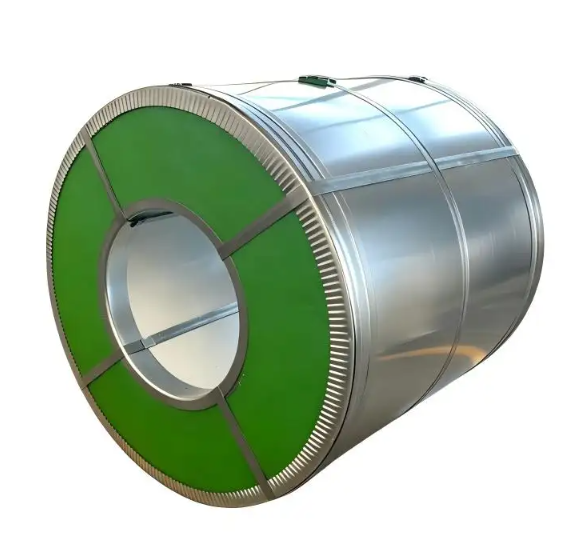
Learn why premium finish galvalume steel coil delivers better paint adhesion and visual consistency in finished building products. Request specs today.
2026/09/10
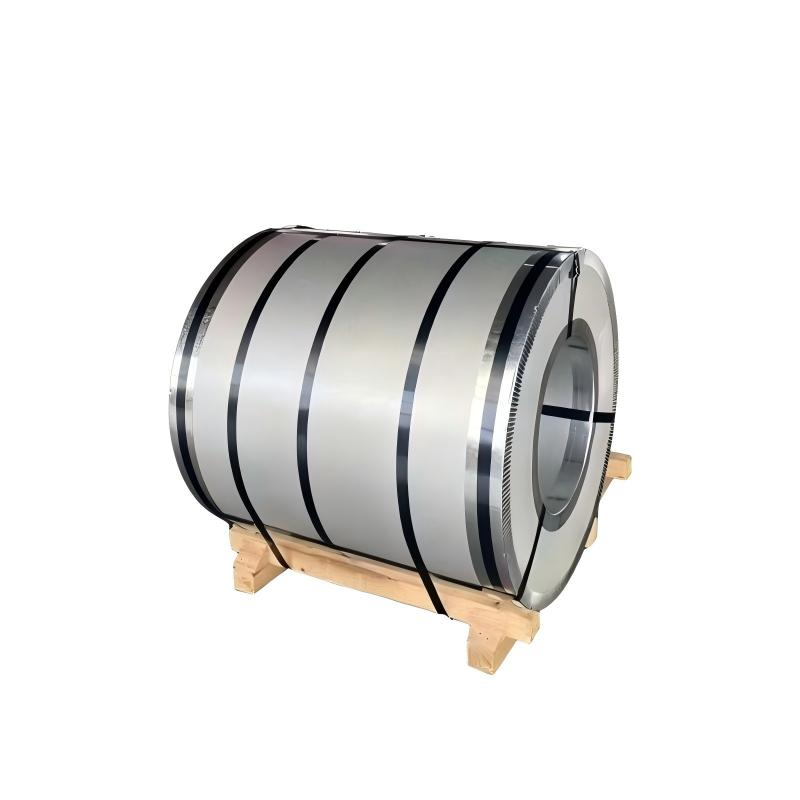
Learn why heavy coating galvalume steel coil provides superior corrosion resistance in harsh coastal settings and saves long-term maintenance costs.
2026/09/10
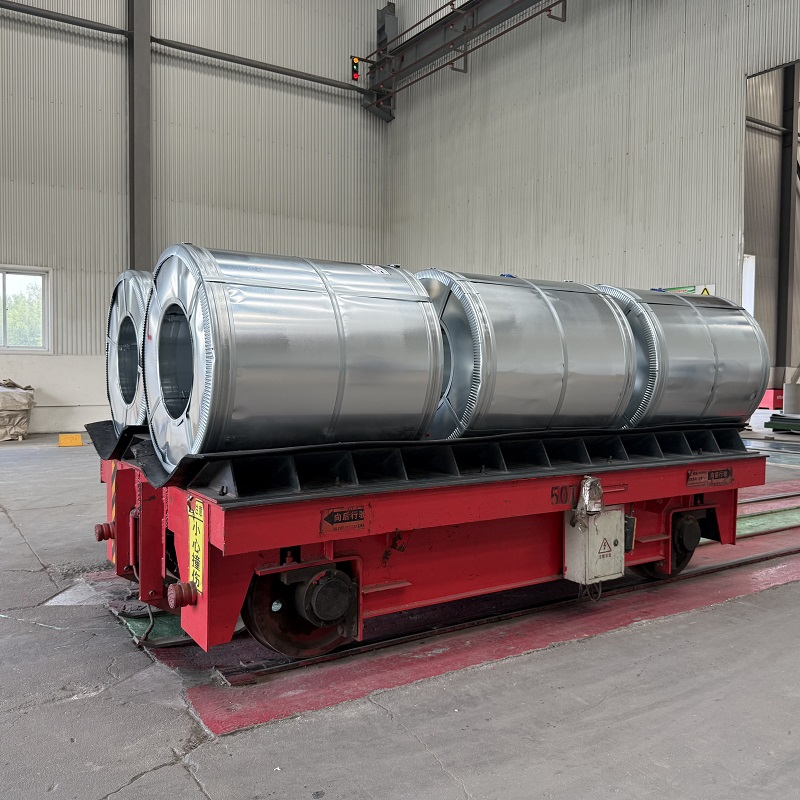
Learn how to test the bending performance of formable galvalume steel coil samples using T-bend testing to prevent cracking and scrap.
2026/09/10
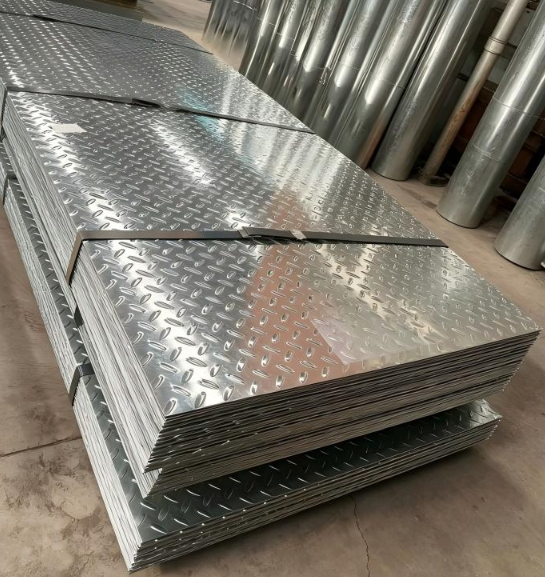
Discover how multi specification galvalume steel coil simplifies purchasing, boosts productivity, and lowers costs for metal fabricators.
2026/09/10
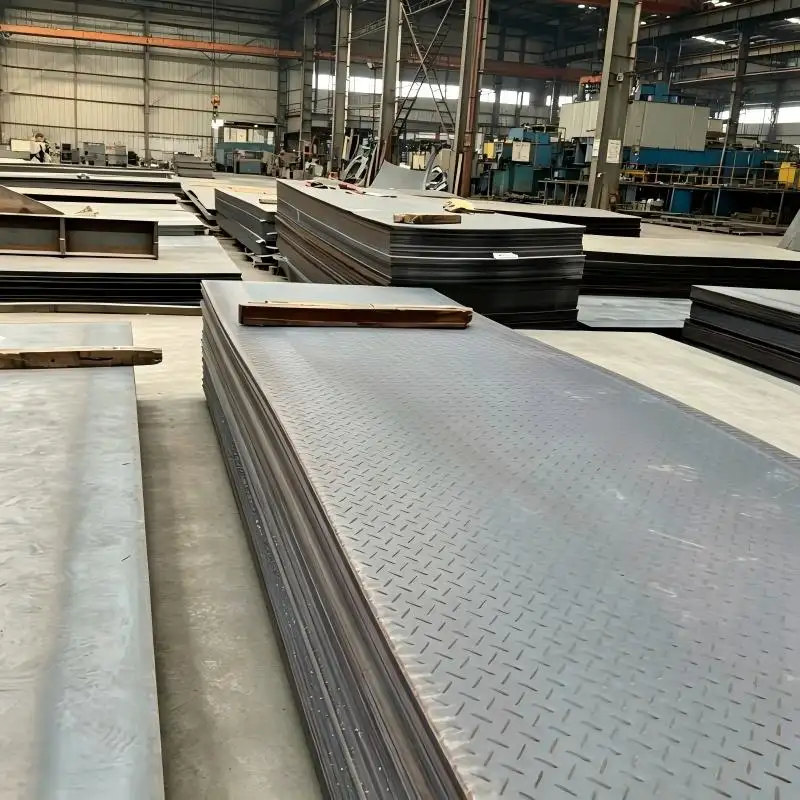
Discover why hot dipped galvanized steel and hot dip galvanized checkered plate offer ideal corrosion resistance and strength for road guardrails.
Covering green transformation, product comparison, selection guide, and industry empowerment, helping you fully grasp the dynamics of the color steel industry.

Global climate action and Belt and Road cooperation are driving the color steel industry’s shift toward green, sustainable development.

Comparing PPGI and PPGL across performance, durability, and applications to help you select the optimal coated steel for your project.
A practical guide to selecting and applying color steel coils, ensuring optimal performance, durability, and cost-effectiveness for your projects.
Industry forum drives digital and green transformation, empowering steel sector development through innovation and collaboration.