EN
EN

How to customize length size of precision cut GI coil finished sheets
2026/09/11
Learn how to specify precision cut GI coil sheets in custom lengths — tolerance selection, coating integrity, and ordering tips.
2026/08/27
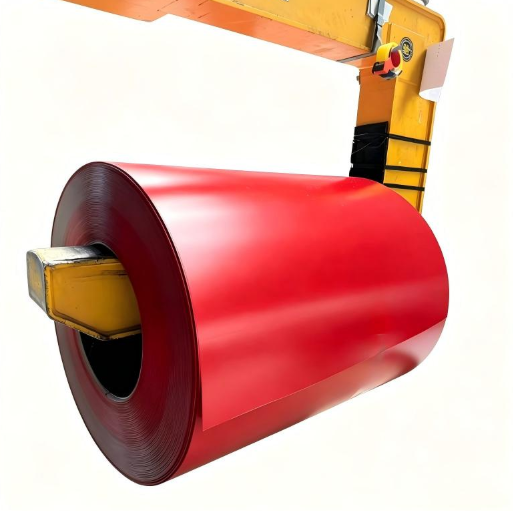
When sourcing hot dipped galvanized steel coils, the built-in metallic barrier remains one of the most effective ways to stop steel from rusting. The zinc layer protection works through active cathodic defense: even when scratched or chipped down to the bare steel, the surrounding zinc sacrifices itself to keep the underlying iron safe from moisture and oxygen.
For many structural and manufacturing uses, this self-healing zinc boundary provides all the defense required. However, figuring out whether to add a secondary anti-corrosion coating depends heavily on the operating environment and expected service lifespan.
A dry indoor setting will never wear down a zinc surface, while marine air or chemical fumes deplete zinc rapidly. Knowing when zinc alone works and when a secondary anti-corrosion coating becomes necessary protects both operating budgets and long-term project safety.
Evaluating Environmental Factors Driving Secondary Protection Needs
Different environments wear down zinc at drastically different speeds. Mapping project locations against established corrosivity scales helps clarify whether extra protective layers are truly needed.
| Operating Environment Type | Corrosivity Category (ISO 9223) | Typical Zinc Depletion Speed | Secondary Coating Recommendation |
| Indoor, Dry, Climate-Controlled | C1 (Very Low) | Under 0.1 microns per year | No extra coating required |
| Indoor, Slight Condensation | C2 (Low) | 0.1 to 0.7 microns per year | Optional based on aesthetic budget |
| Outdoor, Inland, Mild Climate | C3 (Medium) | 0.7 to 2.1 microns per year | Recommended for 25+ year targets |
| Outdoor, Coastal, Moderate Salt | C4 (High) | 2.1 to 4.2 microns per year | Strongly required for long service |
| Coastal Marine, Heavy Salt Spray | C5-M (Very High) | 4.2 to 8.4 microns per year | Essential (heavy-duty duplex setup) |
| Industrial, Heavy Chemical Exposures | C5-I (Very High) | 4.2 to 8.4 microns per year | Essential (chemical barrier paints) |
When Secondary Anti-Corrosion Coating Is Unnecessary
For hot dipped galvanized steel coils deployed in C1 and C2 environments—like dry warehouse framing, interior ductwork, or enclosed ceiling channels—the bare zinc layer easily provides structural defense for 50 years or more.
Adding an extra paint system in mild settings adds unnecessary cost without adding meaningful functional durability. A galvanized steel coil rated at Z120 or heavier in a low-moisture space comfortably outlasts the design lifespan of most commercial buildings.
Procurement teams should avoid over-specifying heavy paint systems when environmental risks remain low. The only common exception involves cosmetic choices. When building owners demand specific colors or brand themes, applying a secondary finish fulfills visual needs rather than structural ones.
When Secondary Barrier Layers Become Essential
In severe C4 and C5 environments, atmospheric moisture and airborne salts erode zinc layer protection at rapid speeds, exhausting standard Z275 coatings within 15 to 30 years.
In aggressive settings, applying a secondary anti-corrosion coating over hot dipped galvanized steel coils creates a powerful duplex system (zinc protection combined with paint). European corrosion studies show that a properly matched duplex setup extends overall service life by 1.5 to 2.3 times compared to using zinc alone.
This synergistic boost happens because the topcoat blocks water, oxygen, and salt from reaching the metal surface, slowing down zinc loss. Meanwhile, the underlying zinc layer sits ready to offer immediate cathodic backup if the outer paint layer gets gouged or scratched during field operations.
In heavy chemical processing plants, high-build epoxy or vinyl ester topcoats provide excellent chemical resistance. In coastal and marine regions, a zinc-rich epoxy primer topped with aliphatic polyurethane serves as the global engineering standard, holding a total dry film thickness between 75 and 125 microns.
Real World Application in Desalination Infrastructure
An industrial desalination facility in the Middle East selected hot dipped galvanized steel coils to build outdoor support frameworks within a high-salinity C5-M marine zone. Initial specifications relied solely on heavy Z275 zinc protection.
However, a five-year maintenance audit showed zinc depletion rates hitting nearly 4 microns per year under constant salt air exposure. To prevent premature steel failure, the facility retrofitted the remaining frames with a duplex system consisting of an epoxy mastic primer and a durable polyurethane topcoat.
This secondary anti-corrosion coating upgrade extended the structural lifespan expectation from 15 years to over 35 years. The base galvanized steel coil material was originally produced with a Z120 to Z275 zinc range under ASTM A653 standards, providing the underlying zinc foundation needed to handle severe marine weather.
Matching surface treatments to real environmental data protects capital investments and prevents unexpected structural repairs down the line.
Yuanhe supplies mill-direct hot dipped galvanized steel coils in zinc masses from Z20 to Z275 with full ASTM A653 compliance, delivering the core zinc layer protection needed for both stand-alone uses and heavy-duty duplex coating applications across global markets.
Frequently Asked Questions
What is the synergistic effect of a duplex coating on galvanized steel coil?
A duplex system combines galvanized zinc with an outer paint system to deliver 1.5 to 2.3 times the service life of either system used alone. The paint shields the zinc layer protection from rapid weathering, while the zinc prevents rust if the paint gets scratched.
Can paint be sprayed directly onto hot dipped galvanized steel coils?
No. Spraying directly onto uncleaned zinc leads to adhesion failure. The metal surface must be degreased, lightly scuffed, and treated with a zinc-compatible wash or epoxy primer to establish a permanent chemical and mechanical bond.
How do engineers determine the corrosivity category of a job site?
Site classifications follow ISO 9223 standards by tracking annual humidity, ambient temperature, atmospheric sulfur dioxide, and airborne chloride deposition levels. Local meteorological data and environmental testing help determine whether a basic galvanized steel coil or a secondary anti-corrosion coating setup is best suited for the location.
2026/09/11
Learn how to specify precision cut GI coil sheets in custom lengths — tolerance selection, coating integrity, and ordering tips.
2026/09/11
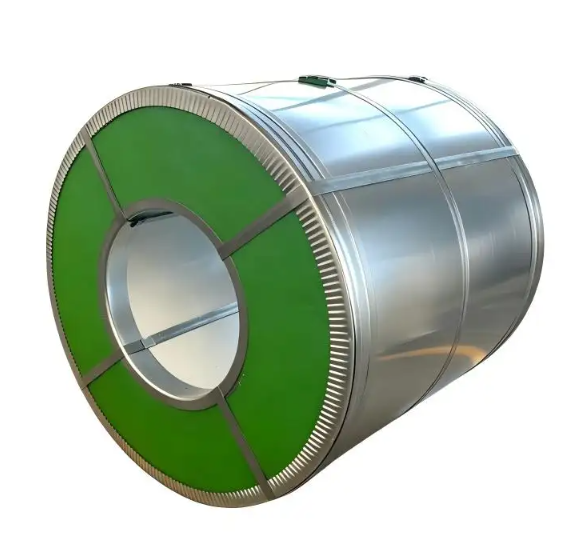
Learn why premium finish galvalume steel coil delivers better paint adhesion and visual consistency in finished building products. Request specs today.
2026/09/10
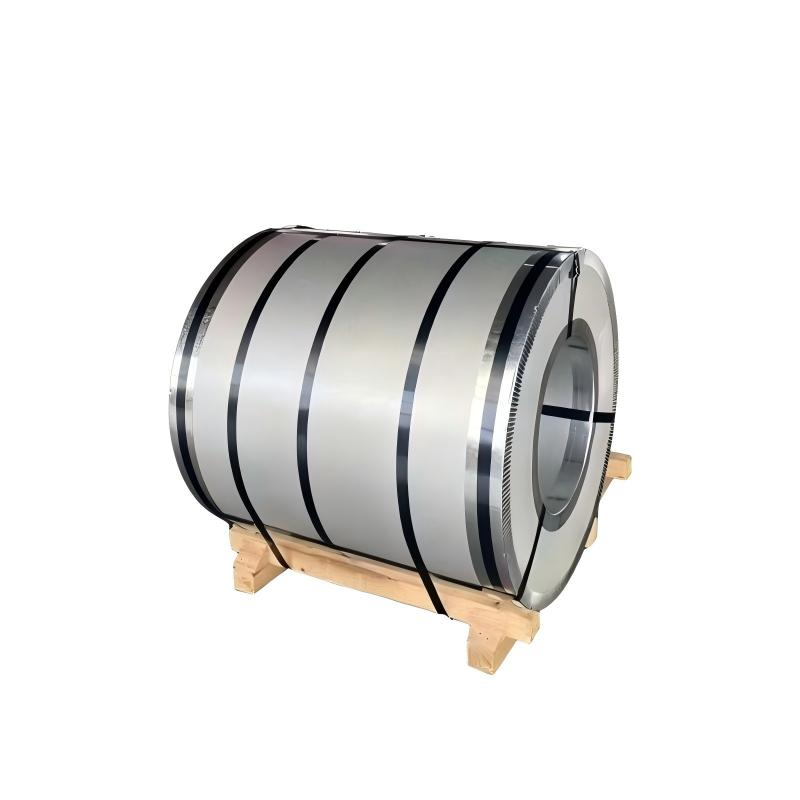
Learn why heavy coating galvalume steel coil provides superior corrosion resistance in harsh coastal settings and saves long-term maintenance costs.
2026/09/10
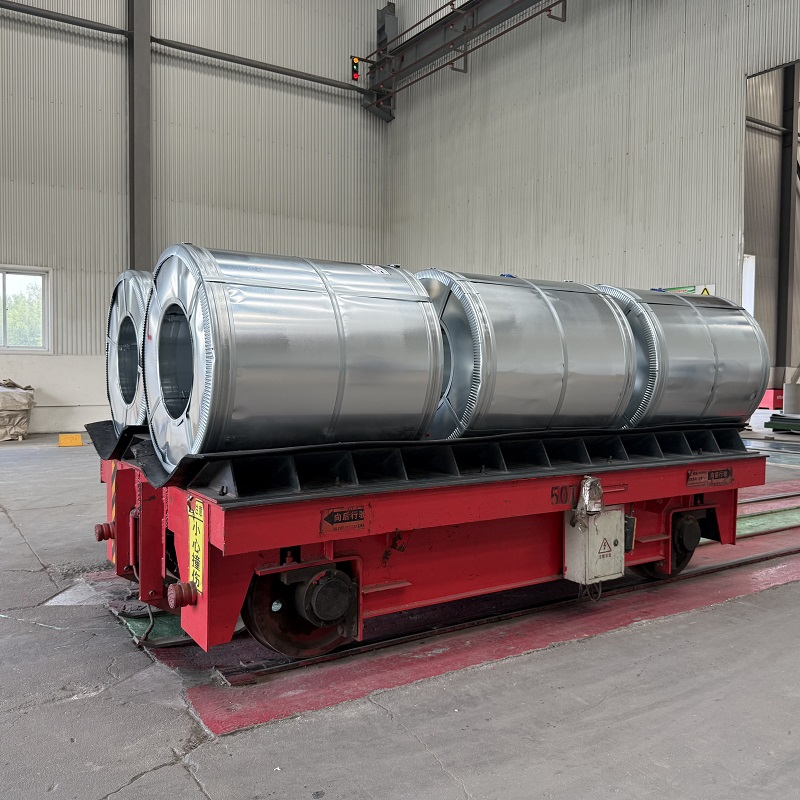
Learn how to test the bending performance of formable galvalume steel coil samples using T-bend testing to prevent cracking and scrap.
2026/09/10
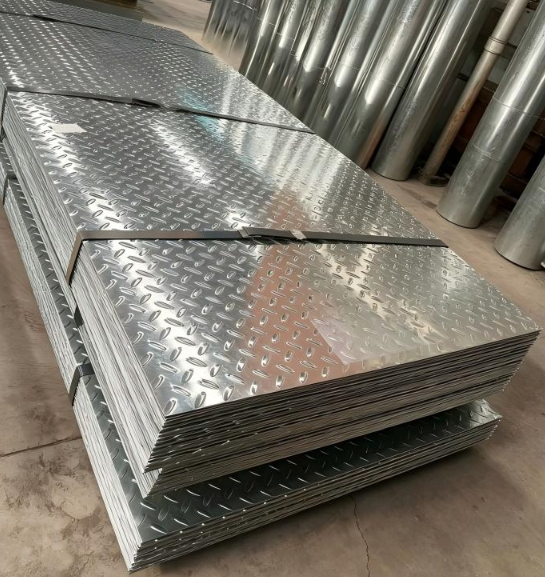
Discover how multi specification galvalume steel coil simplifies purchasing, boosts productivity, and lowers costs for metal fabricators.
2026/09/10
Discover why hot dipped galvanized steel and hot dip galvanized checkered plate offer ideal corrosion resistance and strength for road guardrails.
Covering green transformation, product comparison, selection guide, and industry empowerment, helping you fully grasp the dynamics of the color steel industry.
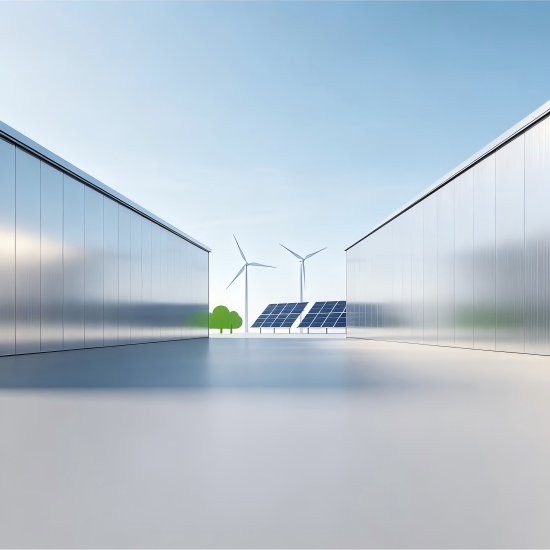
Global climate action and Belt and Road cooperation are driving the color steel industry’s shift toward green, sustainable development.

Comparing PPGI and PPGL across performance, durability, and applications to help you select the optimal coated steel for your project.
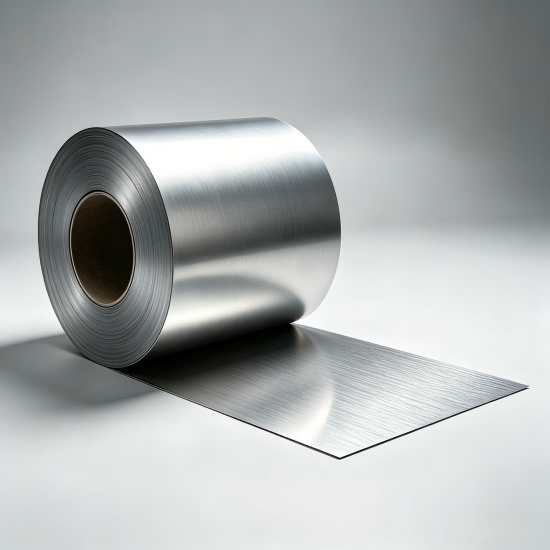
A practical guide to selecting and applying color steel coils, ensuring optimal performance, durability, and cost-effectiveness for your projects.
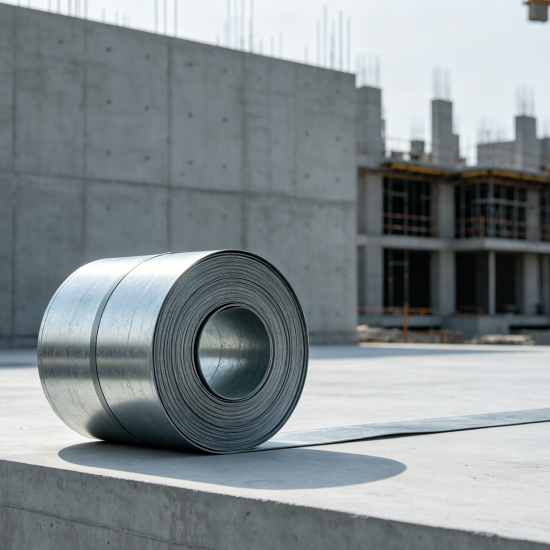
Industry forum drives digital and green transformation, empowering steel sector development through innovation and collaboration.