EN
EN

How to customize length size of precision cut GI coil finished sheets
2026/09/11
Learn how to specify precision cut GI coil sheets in custom lengths — tolerance selection, coating integrity, and ordering tips.
2026/08/25
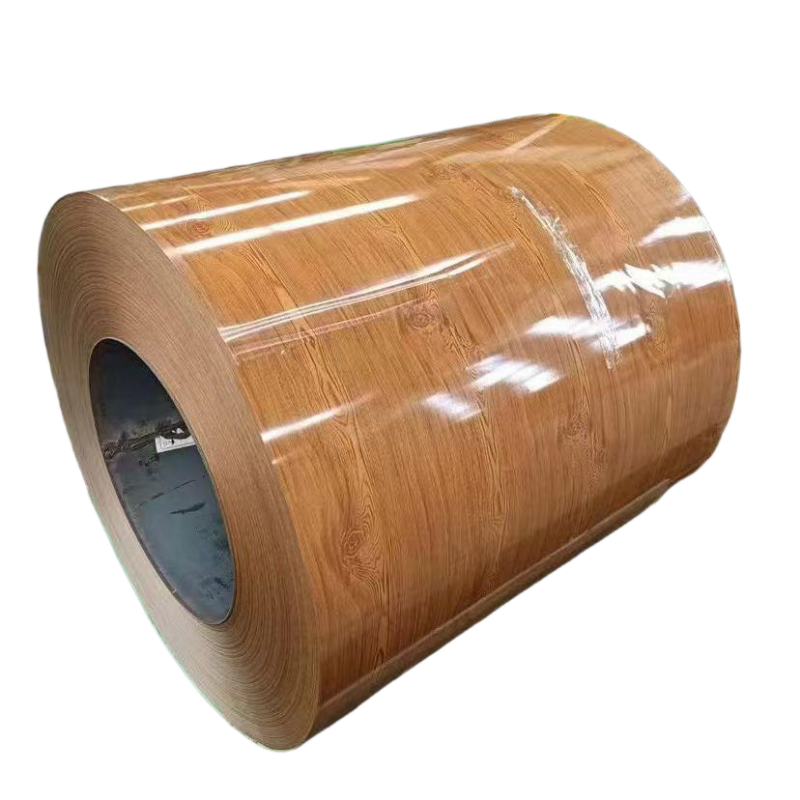
Most PPGI coil leaves the coating line at a standard mill width of 1000 mm or 1250 mm, yet very few production lines run on those exact widths. Roll formers feed 914 mm roofing strips, appliance plants draw 400-600 mm ribbons, and ceiling manufacturers may divide one master coil into six narrow coils. The gap between mill width and line width is where custom slitting service creates real value. In five years of working with prepainted steel coils, I have watched lines stop because slitting was treated as an afterthought: burr folded into the paint edge, coil set that jams an uncoiler, or widths drifting mid-order until profiles no longer match the dies. This guide walks through the complete custom slitting process for full width PPGI coil, step by step, the way a professional service center actually runs it.
Slitting a full width PPGI coil close to your own production schedule offers three advantages. Cost comes first: master coils priced by the ton are cheaper per kilogram than small coils, and one booking moves more steel per container. Second is paint protection. A PPGI coil is a laminated structure - a cold rolled substrate to ASTM A653, JIS G3302 SGCC or DX51D+Z, a zinc layer between Z20 and Z275, then pretreatment, primer and a top coat usually 20-25 microns thick per side. The organic film is thin, so every handling step must respect the coating, not only the steel beneath it. Third is flexibility: one 1250 mm coil can become any width combination, so a single stock item serves several product lines. The trade-off is precision. Slitting is a machining process, and a careless blade setup turns prime colour coated steel coils into claims and rework.
|
Application |
Typical slit width |
Why it matters |
|
Roofing & wall roll forming |
914-1250 mm |
camber must be near zero or sheets run wavy |
|
Appliance side panels |
400-600 mm |
edge flatness and paint condition are critical |
|
Ceiling tiles, doors, profiles |
100-300 mm |
multi-ribbon slitting from one master coil |
|
HVAC ducting |
300-914 mm |
standard widths, fast repeat orders |
1. Width planning and order review. Engineers check the mill test certificate, paint system and ordered widths, then build the cutting plan: ribbon count, sequence across the strip and where scrap edges fall. Planning by color batch matters too, because changing paint colors between orders wastes setup time and risks mixed batches.
2. Coil loading and uncoiling. The PPGI coil is lifted with cloth-slung C-hooks or padded clamps - never a bare chain - to keep the coated surface unmarked. The coil is mounted so the strip runs in the correct direction, and the scratched outer wrap is removed and weighed separately so your invoice reflects usable weight.
3. Blade setup and clearance. Pairs of rotary knives are set with horizontal and vertical clearance calculated from strip thickness. For a 0.5 mm PPGI coil the gap is measured in hundredths of a millimeter: too tight and the knives burnish and work-harden the edge, too loose and burr forms, dragging paint away from the cut line. Knife grind quality decides the edge quality of every slitted prepainted galvanized steel coil.
4. Threading and slitting. Strip passes through the slitter head at a speed matched to thickness. Thin gauges from 0.09 to 0.3 mm need more support and lower speed to prevent weave, which scratches paint across the full ribbon width.
5. Recoiling under tension control. Each ribbon rewinds on its own mandrel with controlled tension. Correct tension prevents telescope - coils stacking to one side - and limits coil set, the curvature memory that frustrates uncoiler operators.
6. Strapping, labeling and dispatch. Slit coils are stacked eye-to-sky on steel pallets, circumferentially strapped, wrapped and labeled with heat number, color code, width, thickness and net weight, then released for 24-hour mill delivery or export packing.
Slitting quality is measurable, so specify numbers rather than adjectives. The values below reflect what a well-run service center holds for prepainted galvanized steel coil and what should be verified before release under a three-layer inspection system - first article, in-process and final checks.
|
Item |
Typical capability |
What poor control causes |
|
Width tolerance |
+/-0.3 mm (+/-0.15 mm under 300 mm) |
mismatched roll former dies |
|
Burr height |
<= 5% of thickness |
paint marking on the next wrap |
|
Camber |
<= 1 mm over 2 m |
wavy roofing sheets, scrap |
|
Coil set |
controlled by rewind tension |
uncoiler jams, feeding stops |
|
Paint edge condition |
no chipping beyond 0.5 mm |
visible white edge, corrosion start |
A slit coil is only as good as its verification. First-article inspection measures width, burr and camber on the opening meters of the first ribbon; in-process checks sample every coil; the final layer confirms labels, packaging and paperwork before dispatch. Ask your supplier to send the inspection record with the shipment - it costs them nothing and settles any claim discussion in minutes.
Q1: Does slitting damage the paint on a PPGI coil?
Not when the process is set correctly. The knives remove a 3-5 mm kerf, and properly cleared blades shear the steel cleanly with the paint attached. Damage appears when clearance is wrong or when slit coils shift in transit - both are process failures, not inevitabilities. If your paint system is matte, textured or printed, request an edge photo of the first article before the full order runs.
Q2: What widths and thicknesses can be slit?
Most service centers slit ribbons from about 30 mm up to full mill width, on PPGI from 0.09 to 1.5 mm thick with Z20-Z275 zinc coating. Very narrow ribbons under 100 mm need tension pads and slower line speed. Share your ribbon list early - multi-ribbon jobs influence scheduling, and reliable processors quote 6-14 days including slitting and testing.
Q3: Slit coil or cut-to-length sheet - which should I order?
If your line is a roll former or press feed, slit coil keeps productivity highest and scrap lowest. If you fabricate flat panels, cut-to-length blanks save handling labor. Many buyers combine both in one order - slit coils for profiles plus sheets for infill panels - so everything ships under one packing list and one freight booking.
From Master Coil to Slit Coil Under One Roof
Slitting looks simple until tolerance, paint edge and delivery window all matter at once. That is why many buyers consolidate: a supplier holding more than 10,000 tons of PPGI, PPGL, GI and GL coil in Liaoning, running slitting, flattening and cut-to-length under one quality system, can plan your cutting scheme, confirm first-article samples and ship with inspection records in 6-14 days. Shenyang Yuanhe Steel works exactly this way for customers across Southeast Asia, the Middle East, Central Asia, Africa and South America - fewer handoffs between vendors, fewer surprises on your line.
2026/09/11
Learn how to specify precision cut GI coil sheets in custom lengths — tolerance selection, coating integrity, and ordering tips.
2026/09/11
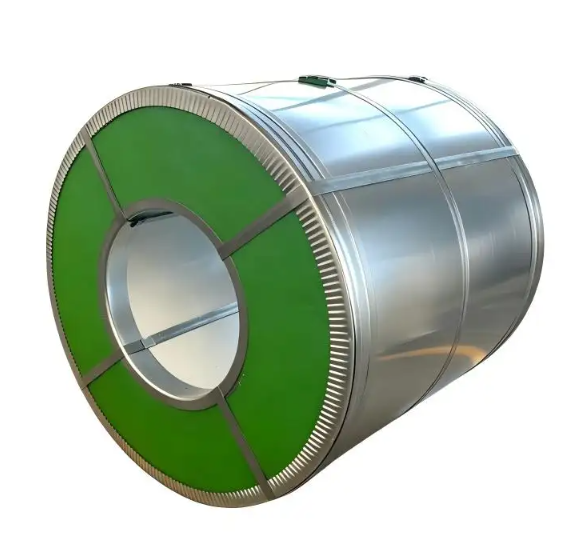
Learn why premium finish galvalume steel coil delivers better paint adhesion and visual consistency in finished building products. Request specs today.
2026/09/10
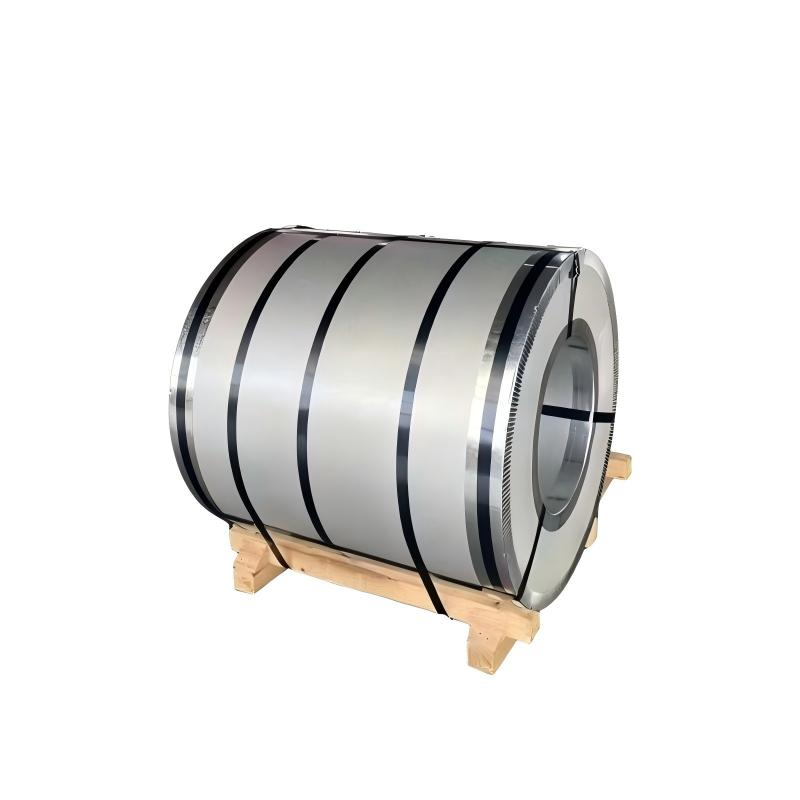
Learn why heavy coating galvalume steel coil provides superior corrosion resistance in harsh coastal settings and saves long-term maintenance costs.
2026/09/10
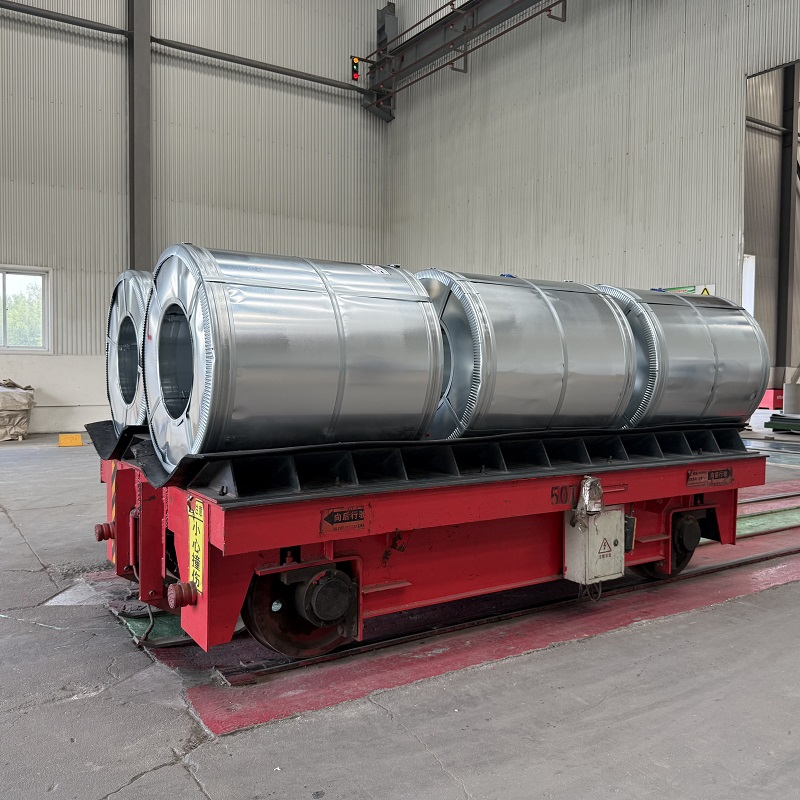
Learn how to test the bending performance of formable galvalume steel coil samples using T-bend testing to prevent cracking and scrap.
2026/09/10
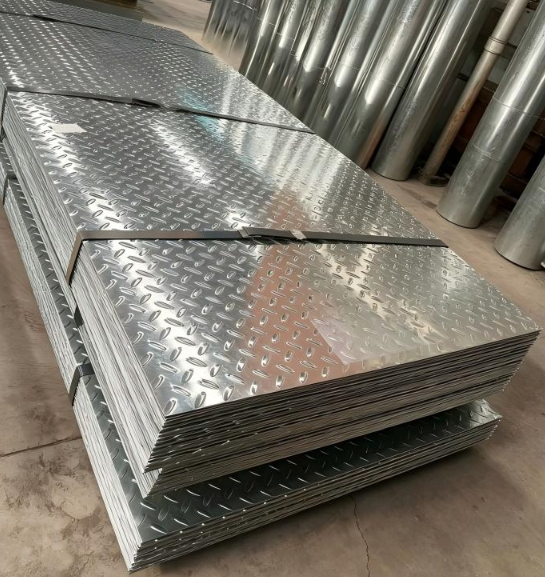
Discover how multi specification galvalume steel coil simplifies purchasing, boosts productivity, and lowers costs for metal fabricators.
2026/09/10
Discover why hot dipped galvanized steel and hot dip galvanized checkered plate offer ideal corrosion resistance and strength for road guardrails.
Covering green transformation, product comparison, selection guide, and industry empowerment, helping you fully grasp the dynamics of the color steel industry.

Global climate action and Belt and Road cooperation are driving the color steel industry’s shift toward green, sustainable development.

Comparing PPGI and PPGL across performance, durability, and applications to help you select the optimal coated steel for your project.
A practical guide to selecting and applying color steel coils, ensuring optimal performance, durability, and cost-effectiveness for your projects.
Industry forum drives digital and green transformation, empowering steel sector development through innovation and collaboration.