EN
EN

How to customize length size of precision cut GI coil finished sheets
2026/09/11
Learn how to specify precision cut GI coil sheets in custom lengths — tolerance selection, coating integrity, and ordering tips.
2026/08/26
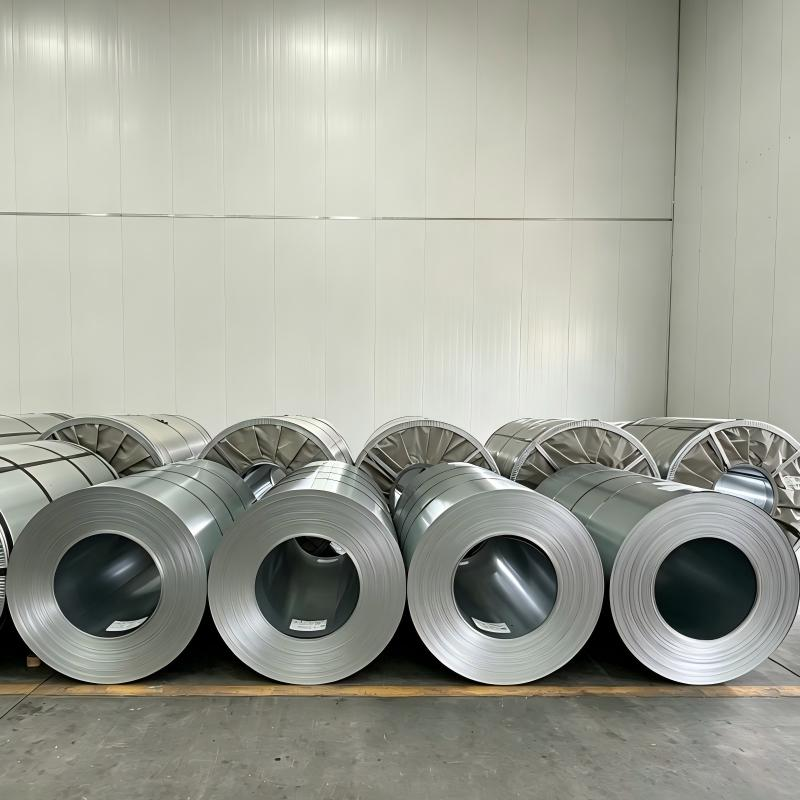
Securing a reliable prepainted galvanized steel coil relies on far more than a quick visual check at the end of the line. True quality assurance operates as a continuous, three-tiered framework that spans every phase of manufacturing—from raw material intake all the way to final delivery. Skipping a single step along this path leaves room for coating adhesion failures, unexpected color shifts, and severe corrosion down the line.
A rigorous, end-to-end framework ensures that every precoated coil meets strict target specs for zinc density, paint thickness, structural flexibility, and shade matching. This level of oversight becomes even more crucial when producing a coating adjustable prepainted galvanized steel coil, where paint film thickness and visual characteristics adapt to custom buyer requirements without sacrificing long-term durability.
Long before a coil hits the main processing line, raw materials undergo strict verification against purchase order standards. Substrate defects caught at this stage prevent major downstream failures during roll forming or field installation.
Key evaluation metrics at intake include:
Base Metal Thickness: Technicians measure raw steel across multiple width points using digital micrometers to spot edge-to-center gauge variations.
Zinc Coating Mass: Lab teams verify galvanized protection using weigh-strip-weigh chemical methods or X-ray fluorescence per ASTM A90.
Surface Condition: Coils undergo visual and mechanical checks for white rust storage stains, oil residue, or transit scratches.
Paint and Primer Integrity: Incoming liquid coatings are tested for viscosity, total solids percentage, and initial color match using digital spectrophotometers.
Substandard substrates or out-of-spec paint batches are immediately quarantined. Catching flaws right away keeps raw production issues from making their way onto the main line.
Once production starts, technical teams closely track operating variables that directly shape overall PPGI quality control. Maintaining steady line speeds and tension profiles ensures paint applies evenly from edge to edge.
Real-time processing parameters requiring constant monitoring include:
Oven Temperature Profiles: Peak metal temperature (PMT) determines how complete the paint cure is. Operators track heat curves continuously using infrared pyrometers and physical temp indicators.
Wet Film Thickness: In-line gauges track wet paint application continuously, allowing instant adjustments before the strip enters curing ovens.
Chemical Bath Stability: Pretreatment baths need regular checks for active chemical concentration, fluid temperature, and pH levels to maintain optimal surface conversion layers.
When producing a coating adjustable prepainted galvanized steel coil, operators adjust applicator roll pressures, coater speeds, and oven temps on the fly as orders shift. Active monitoring keeps paint thickness consistent and prevents cross-contamination between custom batch runs.
| Production Phase | Monitored Parameters | Standard Verification Method | Acceptance Criteria Range | Check Frequency |
| Material Intake | Substrate Gauge | Digital Micrometer (3 Points) | Within ±0.02 mm of Target | Every Incoming Coil |
| Material Intake | Zinc Layer Weight | ASTM A90 Chemical / XRF | Z20 to Z275 per Spec | Every Incoming Coil |
| Material Intake | Liquid Paint Color | Spectrophotometer Delta E | Delta E Less Than 1.5 | Every Paint Batch |
| In-Line Processing | Wet Film Application | Continuous Gamma / Optical Gauge | 15–25 Microns Topcoat | Continuous Real-Time |
| In-Line Processing | Peak Metal Temp (PMT) | Infrared Sensor / Temp Strips | 216–249°C (PE) / 249–274°C (SMP) | Continuous Real-Time |
| In-Line Processing | Pretreatment Bath pH | Digital pH Meter | 4.5–5.5 Range (Phosphate) | Checked Every 2 Hours |
| Final Verification | Dry Film Thickness | Magnetic Gauge (ASTM D7091) | 20–30 Microns Total DFT | 3 Readings per Coil |
| Final Verification | Paint Adhesion | Cross-Cut Tape Test (ASTM D3359) | 4B or 5B Rating | Batch Sample Test |
| Final Verification | Coating Flexibility | T-Bend Test (ASTM D4145) | T-2 to T-3 Minimum Rating | Batch Sample Test |
| Final Verification | Shade Uniformity | Spectrophotometer Reading | Delta E Less Than 2.0 | Every Finished Coil |
After exiting the cooling tower and rewinding, finished steel coils undergo final mechanical and physical testing. Comprehensive coil coating inspection verifies that the final product matches all performance standards listed in the agreement.
Final quality tests evaluate critical coating traits:
Dry Film Thickness (DFT): Technicians take multiple magnetic gauge readings per ASTM D7091 to ensure topcoat and primer layers match target specifications.
Coating Adhesion: Cross-cut tape tests per ASTM D3359 confirm strong chemical and mechanical bonding between the paint film and substrate.
Mechanical Flexibility: T-bend tests per ASTM D4145 verify that the paint layer bends smoothly during roll-forming without cracking or micro-flaking.
Surface Hardness: Pencil hardness tests per ASTM D3363 confirm scratch resistance during handling and field installation.
For custom projects specifying a coating adjustable prepainted galvanized steel coil, dry film results are checked directly against order-specific purchase agreements rather than standard stock tolerances. Passed coils earn a detailed quality certificate featuring actual lab metrics, testing references, and batch approval status.
The practical value of multi-stage quality checks shows up clearly during actual factory runs. In a recent production cycle for an overseas roofing contract, incoming intake checks caught a raw galvanized coil stamped with a Z60 zinc mass instead of the ordered Z120 protection level. Quarantine procedures stopped the under-galvanized material right at the dock, preventing premature rusting on installed roofs.
Further down the line, automated sensors flagged a minor 3-micron dip in wet film paint during a line speed shift. Coater operators adjusted roll pressure within 90 seconds, correcting paint density before the strip reached curing ovens.
Final batch sampling cleared cross-cut adhesion tests with a top 5B rating, while color meters recorded a tight Delta E of 0.8 against reference standards. This thorough approach to PPGI quality control ensures every prepainted galvanized steel coil ships with verified durability built right in.
Manufacturing operations with strong technical setups easily manage custom specifications, supplying high-grade coil coating inspection records that track strip thicknesses from 0.09 mm up to 1.5 mm across various zinc weights.
Yuanhe maintains a robust three-tier inspection framework across its manufacturing lines, giving international buyers fully traceable coil certification packages backed by certified production systems.
What happens when a finished coil fails final quality checks?
Out-of-spec coils are immediately flagged and moved to quarantine. Technical teams conduct root-cause analysis to figure out why the failure happened. Depending on the defect, material is either re-coated—if the underlying zinc substrate remains undamaged—or downgraded and reallocated for non-critical uses with full disclosure.
How do custom paint specs alter standard quality checks?
When producing custom orders with adjustable paint thickness or unique color formulations, inspection teams evaluate results against custom customer criteria rather than general factory benchmarks. This extra layer of customization relies heavily on automated batch tracking and detailed production logging.
Should buyers ask for mill test reports prior to dispatch?
Yes. Reliable manufacturing partners routinely provide mill test reports, comprehensive quality certificates, and lab results for adhesion, salt-spray, and color performance before orders leave the factory floor.
2026/09/11
Learn how to specify precision cut GI coil sheets in custom lengths — tolerance selection, coating integrity, and ordering tips.
2026/09/11
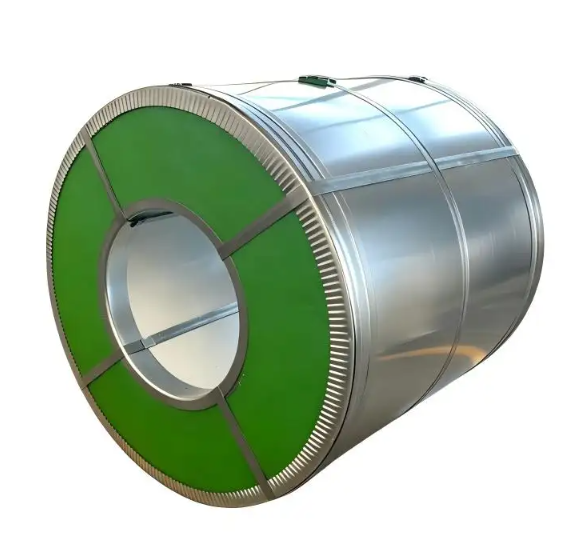
Learn why premium finish galvalume steel coil delivers better paint adhesion and visual consistency in finished building products. Request specs today.
2026/09/10
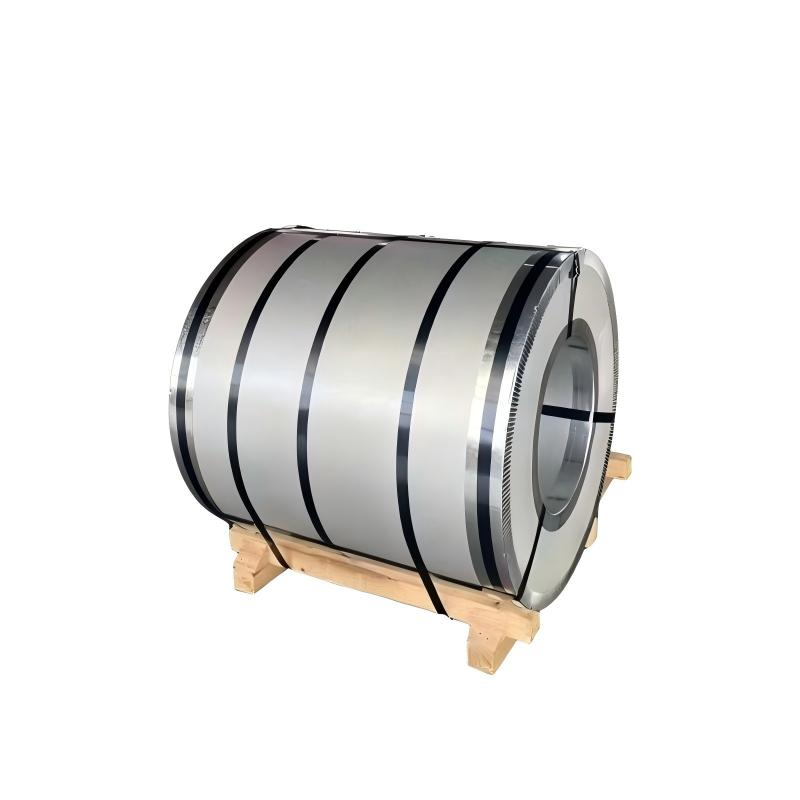
Learn why heavy coating galvalume steel coil provides superior corrosion resistance in harsh coastal settings and saves long-term maintenance costs.
2026/09/10
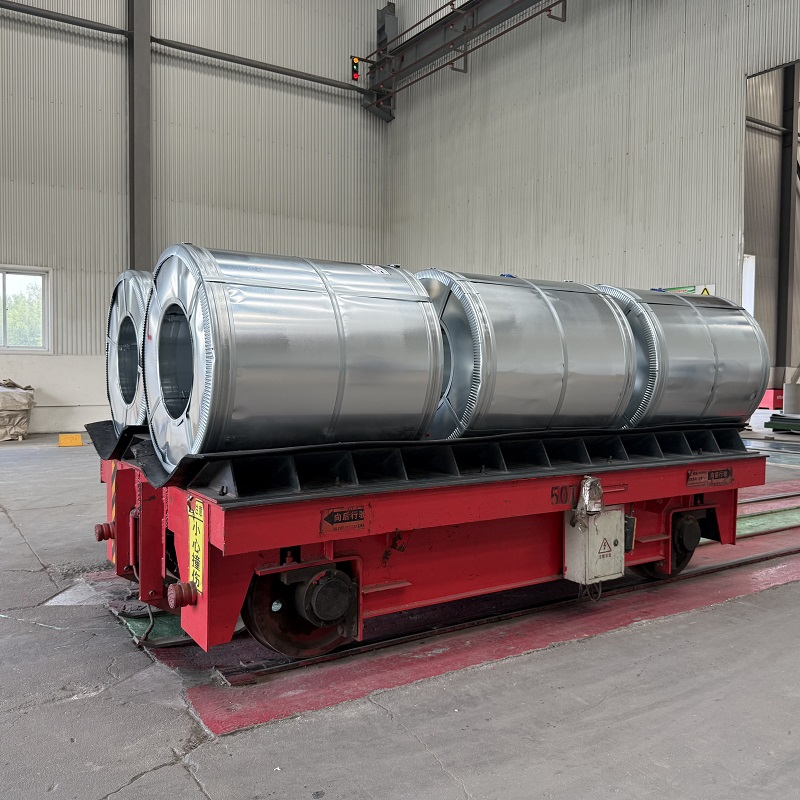
Learn how to test the bending performance of formable galvalume steel coil samples using T-bend testing to prevent cracking and scrap.
2026/09/10
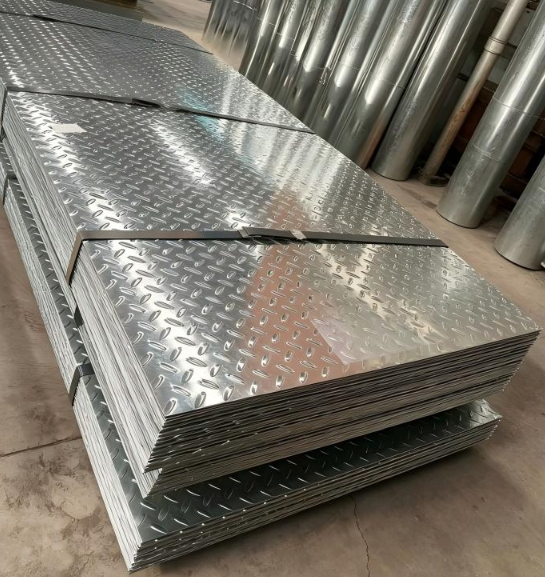
Discover how multi specification galvalume steel coil simplifies purchasing, boosts productivity, and lowers costs for metal fabricators.
2026/09/10
Discover why hot dipped galvanized steel and hot dip galvanized checkered plate offer ideal corrosion resistance and strength for road guardrails.
Covering green transformation, product comparison, selection guide, and industry empowerment, helping you fully grasp the dynamics of the color steel industry.

Global climate action and Belt and Road cooperation are driving the color steel industry’s shift toward green, sustainable development.

Comparing PPGI and PPGL across performance, durability, and applications to help you select the optimal coated steel for your project.
A practical guide to selecting and applying color steel coils, ensuring optimal performance, durability, and cost-effectiveness for your projects.
Industry forum drives digital and green transformation, empowering steel sector development through innovation and collaboration.