EN
EN

Can PPGI Withstand Long-Term UV Radiation Outdoors?
Buyers of prepainted galvanized steel often ask whether ppgi holds up against years of direct sun exposure—and whether all ppgi performs the same way outdoors. Yes, ppgi can withstand long-term UV radiation, but only when the paint system has been correctly specified for the intended climate and exposure category. Treating ppgi as a single material grade, without distinguishing between paint system options, is one of the most common procurement missteps in roofing and cladding projects.
What Determines UV Resistance in PPGI
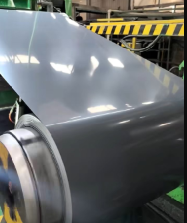
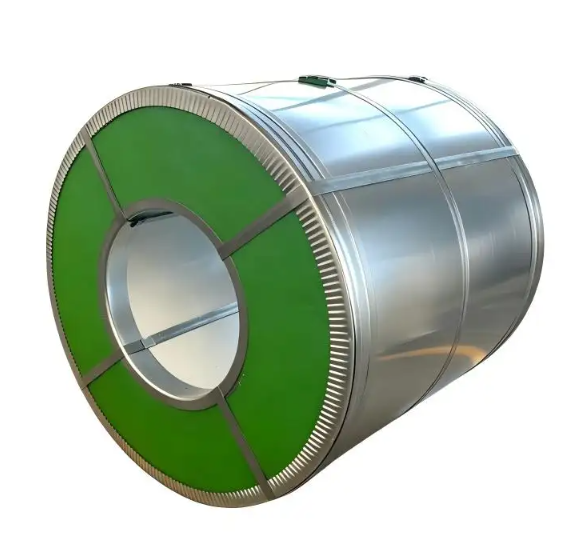
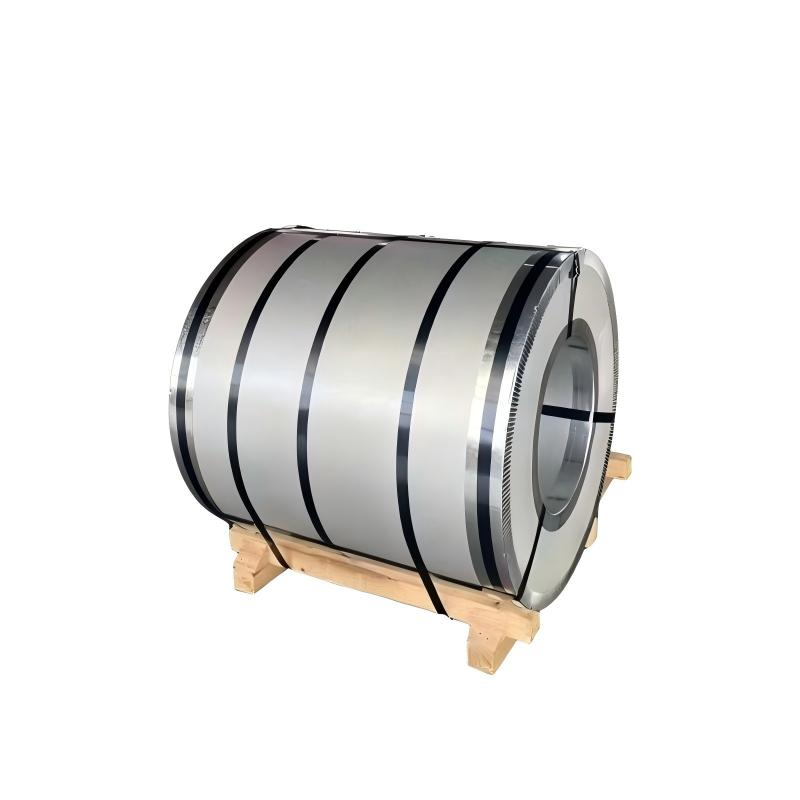
PPGI (Pre-Painted Galvanized Iron) is a multi-layer system: a cold-rolled steel base, a hot-dip zinc coating for corrosion protection, and an organic paint layer applied by a continuous coil-coating process. In outdoor installations, the organic topcoat takes the full force of UV radiation. The zinc layer beneath is largely shielded by the paint, so the UV durability of a given ppgi product is determined almost entirely by the paint system selected at the mill.
Many buyers realize only after a few premature paint delamination incidents that ppgi coating performance depends heavily on the quality of the cold-rolled substrate beneath—but UV failure is typically a paint system issue, not a substrate issue. When ppgi fades or chalks within three to five years on a roof in a high-altitude or tropical location, the root cause is typically a standard polyester paint system applied in an environment that demands a more UV-stable resin.
The Four PPGI Paint Systems and Their UV Performance Hierarchy
Provided the paint system matches the exposure conditions, ppgi can deliver reliable outdoor service measured in decades rather than years. Four principal coating systems are used in ppgi production, listed in ascending order of UV resistance:
- PE (Standard Polyester): The most widely specified and cost-efficient option. PE-coated ppgi performs adequately in moderate UV climates but is susceptible to chalking and color fade when exposed to intense UV radiation over extended periods. Best suited for interior or lightly exposed outdoor applications.
- SMP (Silicon Modified Polyester): Incorporates silicone resin to improve UV and heat resistance over standard PE. SMP ppgi is common in commercial roofing in temperate and subtropical climates where a balance between cost and durability is required.
- HDP (High-Durability Polyester): Formulated with a higher molecular weight resin structure that slows UV-induced degradation. HDP ppgi suits outdoor applications in regions with above-average solar radiation intensity and delivers a service life meaningfully longer than SMP at a moderate cost premium.
- PVDF (Polyvinylidene Fluoride): The highest-performance paint system for UV resistance. Fluorocarbon-coated ppgi maintains color and surface integrity while preventing chalking for more than 20 years in demanding outdoor environments. PVDF ppgi is standard in architectural facade and roofing applications in the Middle East, South America's tropical zones, and other high-UV regions.
While PE ppgi may not offer the color retention that high-UV environments require, it remains the most cost-efficient choice for sheltered installations, interior lining panels, and applications in northern latitudes where UV intensity is lower. The key is matching the paint system to the actual UV exposure category rather than defaulting to the lowest-cost grade for every project.
How Industry Standards Define UV Performance for PPGI
Buyers sourcing ppgi for long-term outdoor use should reference two key standards when reviewing mill test documentation:
- EN 10169:2022 — The European standard for continuously organic-coated flat steel products. This standard defines a UV resistance category that a ppgi product must achieve through artificial UV radiation testing. Retained gloss and color change are measured against defined thresholds in Table 8; only ppgi coils that pass these tests are assigned a UV category rating. When sourcing ppgi for the EU market or projects referencing European specifications, requesting a UV-category-rated product under EN 10169:2022 is the most defensible procurement requirement.
- ASTM A755 — The US standard covering prepainted metallic-coated steel sheet. ASTM A755 addresses coating adhesion, flexibility, and general performance requirements. Buyers in North American markets should confirm compliance with ASTM A755 alongside UV and chalk resistance requirements specific to their region's building product standards.
Under EN 10169 provisions, the UV category can only be granted after artificial UV radiation testing confirms the specimen's color change and retained gloss meet the standard's tabulated requirements. A ppgi product claiming UV suitability without mill test report (MTR) references to EN 10169 UV testing data is an unverified claim.
Installation Conditions That Affect Long-Term UV Durability
How many years a given ppgi coil will maintain its appearance depends heavily on the specific installation environment—climate zone and roof geometry are the two most significant modifiers of actual UV service life.
Key environmental factors that accelerate UV degradation in ppgi:
- Latitude and altitude: UV irradiance is substantially higher at low latitudes and high altitudes. A ppgi roof sheet in equatorial West Africa or the Andean highlands experiences UV doses that are multiples of what the same material faces in northern Europe.
- Roof pitch and surface orientation: Steep-pitch surfaces facing direct sun accumulate higher UV exposure per unit area per year compared to shallow-pitch or shaded surfaces.
- Thermal cycling: Extreme daytime heat combined with UV accelerates paint crosslinking degradation. In the Middle East and tropical Africa, ppgi panels cycle between high surface temperatures and ambient nighttime temperatures, stressing the paint film beyond what standard accelerated lab tests replicate.
- Salt and humidity: Coastal environments combine UV exposure with salt-laden air, which can accelerate micro-surface degradation of paint films already weakened by UV. PVDF ppgi was specifically developed to address this combined stress scenario.
How to Specify PPGI for Long-Term UV Resistance
Rather than starting with a fixed coating specification, seasoned procurement engineers first define the end-use UV exposure category and then back-calculate the required paint system and coating weight for the project. A practical specification sequence:
- Identify the climate zone and estimate annual UV irradiance for the installation site.
- Select the paint system appropriate to the exposure: PE for low UV, SMP or HDP for moderate UV, PVDF for high UV or demanding commercial applications.
- Confirm zinc coating weight: a minimum of Z275 (275 g/m² total both sides) for outdoor roofing applications to ensure the corrosion-protection layer beneath the paint remains intact if the topcoat is locally breached.
- Request mill test reports documenting paint system type, dry film thickness (DFT), and where applicable, UV-category compliance per EN 10169:2022 or equivalent accelerated weathering test data.
- Where color consistency is critical across multi-shipment projects, specify ΔE tolerance requirements per production batch to avoid visible color variation between panels delivered at different times.
For buyers sourcing ppgi coil from a PPGI coil metal factory with multi-market experience, pre-shipment third-party quality inspection—conducted by SGS, Bureau Veritas, or equivalent—provides an independent verification step that paint system type, dry film thickness, and coating weight all meet the specified requirements before goods leave the production facility. This is particularly valuable when sourcing ppgi roof sheet for projects in markets where post-delivery claims are logistically complex to resolve.
Summary: PPGI Can Withstand Long-Term UV, With the Right Specification
Yes, ppgi can withstand long-term UV radiation outdoors—provided the paint system is correctly selected, the zinc coating weight is appropriate for the application, and the mill test documentation confirms UV performance to a recognized standard. Standard PE ppgi was not designed for extreme UV environments; PVDF ppgi was. Specifying ppgi as a material category without defining the paint system grade leaves the UV durability question unanswered and exposes projects in high-UV regions to premature coating failure.
Procurement teams sourcing ppgi for roofing, cladding, or other long-life outdoor applications should share their project location, climate conditions, and service-life expectations with their supplier. The right paint system specification is a straightforward technical decision once the environmental parameters are on the table.