EN
EN

How to customize length size of precision cut GI coil finished sheets
2026/09/11
Learn how to specify precision cut GI coil sheets in custom lengths — tolerance selection, coating integrity, and ordering tips.
2026/08/25
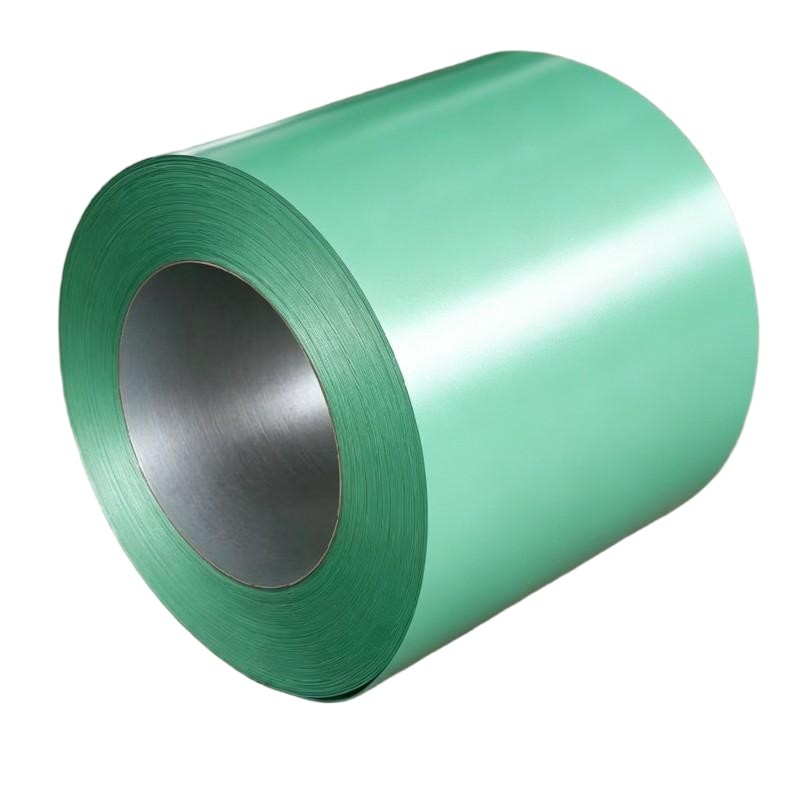
Can a standard PPGI coil really become the embossed decorative panels used on ceilings, doors, elevators and appliance fronts? The short answer is yes - and it happens every day. Embossing presses a pattern into colour coated steel coils after painting, turning a flat surface into a textured one that hides fingerprints, dents and micro-scratches while adding rigidity. But success depends on paint system, pattern depth and base material choices made long before the coil ever reaches the embossing roller. This article explains how the conversion works, what can go wrong, and a case study from a project we supplied, so you can specify embossable PPGI coil with confidence.
Embossing is cold forming at the surface. Two rollers - an engraved top roll and a smooth backup roll - squeeze the strip as it passes, raising a pattern typically 0.1-0.3 mm deep. Because the paint film is only 20-25 microns thick, the pattern actually forms in the coating and the steel substrate together. That is why paint flexibility matters more than hardness. Polyester (PE) films emboss well; high-durability PVDF systems also accept fine patterns, but very deep textures can stress any film and cause micro-cracking at pattern peaks. The zinc layer beneath - Z20 to Z275 on substrates like ASTM A653, JIS G3302 SGCC or DX51D+Z - deforms with the steel and keeps corrosion protection continuous. Thickness matters too: 0.3-0.8 mm PPGI coil is the sweet spot for wall and ceiling panels, while above 1.0 mm embossing pressure rises sharply and patterns lose definition at the edges.
Background. A fit-out contractor in Central Asia needed 8,000 square meters of embossed ceiling and wall panels in warm white. The architect had specified a fine linen texture to hide surface wear in busy corridors, and the contractor initially assumed they needed imported aluminum composite - until the budget review.
Challenge. Three risks came with switching to steel: pattern consistency from coil to coil, color matching between embossed and flat panels installed in the same rooms, and paint integrity after forming.
Solution. We supplied PPGI coil at 0.5 mm with Z275 coating and a PE paint system validated for embossing. Before mass production, the processor embossed 50-meter samples and we measured gloss and color on embossed versus flat areas - gloss drops several points after embossing, so the paint supplier adjusted the base tone slightly to compensate. The ceiling line slit the coil to 620 mm, embossed it with a 0.15 mm linen pattern, cut panels to size and formed the edge folds.
Result. Installation finished with a panel reject rate under 0.8 percent, mainly edge damage during handling rather than pattern defects. Three years on, the ceilings show no visible fading or paint cracking according to the contractor's follow-up. The switch from aluminum composite to embossed PPGI cut material cost by roughly 30 percent - the number that convinced their procurement director to repeat the specification on two later projects.
If you are converting a panel design from aluminum composite or plain sheet to embossed steel, work through this list before ordering:
Q1: Does embossing weaken the paint on a PPGI coil?
It stresses the film, but it does not weaken it when depth and paint system are matched. Elongation at a 0.15 mm pattern is well within what PE and PVDF films tolerate. Problems appear when deep patterns meet thin, brittle films - micro-cracks form at the peaks and show as pale lines. A sample emboss run costs little and removes the risk entirely.
Q2: Can both sides be embossed?
Usually only the visible face is patterned. The reverse side stays smooth with primer or a backing coat. Double-sided embossing exists for specialty products, but it doubles roller cost and doubles the chance of back-side marking against the backup roll, so most processors avoid it unless the application truly shows both faces.
Q3: Is embossed PPGI more expensive than plain colour coated steel coils?
The coil itself is standard PPGI; the cost sits in the embossing pass - typically a modest adder per square meter, plus roller engraving if the pattern is custom. Standard patterns such as linen, leather grain and geometric textures use existing rollers. Custom logos or textures need an engraved roller, which starts making sense above roughly 5,000 square meters of panels.
Turning PPGI coil into decorative panels is a supply chain play as much as a technical one: coil quality, slitting width, embossing and cut-to-length must line up in the right order. Suppliers who hold deep stock of colour coated steel coils and process them in-house - slitting, flattening, precise cutting - shorten that chain considerably. Shenyang Yuanhe Steel supports exactly this workflow from its Liaoning base, with 10,000+ tons of PPGI, PPGL and galvanized coil inventory, three-stage inspection and 6-14 day processing, shipping emboss-ready coils to panel makers across Southeast Asia, the Middle East, Central Asia and South America.
2026/09/11
Learn how to specify precision cut GI coil sheets in custom lengths — tolerance selection, coating integrity, and ordering tips.
2026/09/11
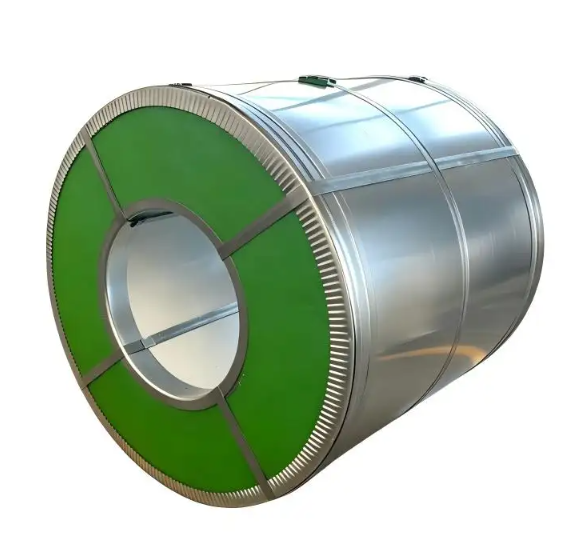
Learn why premium finish galvalume steel coil delivers better paint adhesion and visual consistency in finished building products. Request specs today.
2026/09/10
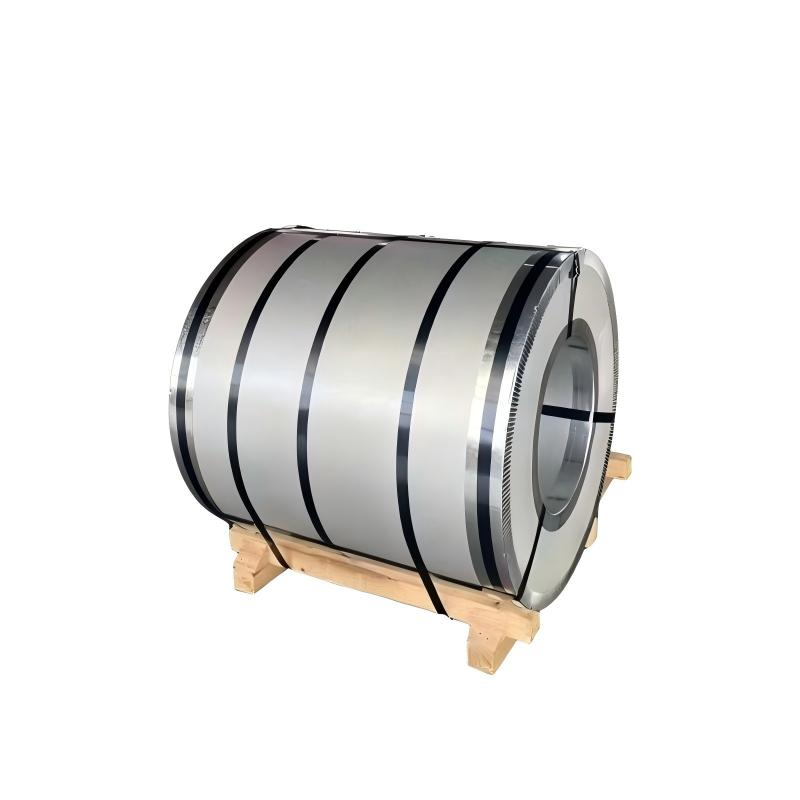
Learn why heavy coating galvalume steel coil provides superior corrosion resistance in harsh coastal settings and saves long-term maintenance costs.
2026/09/10
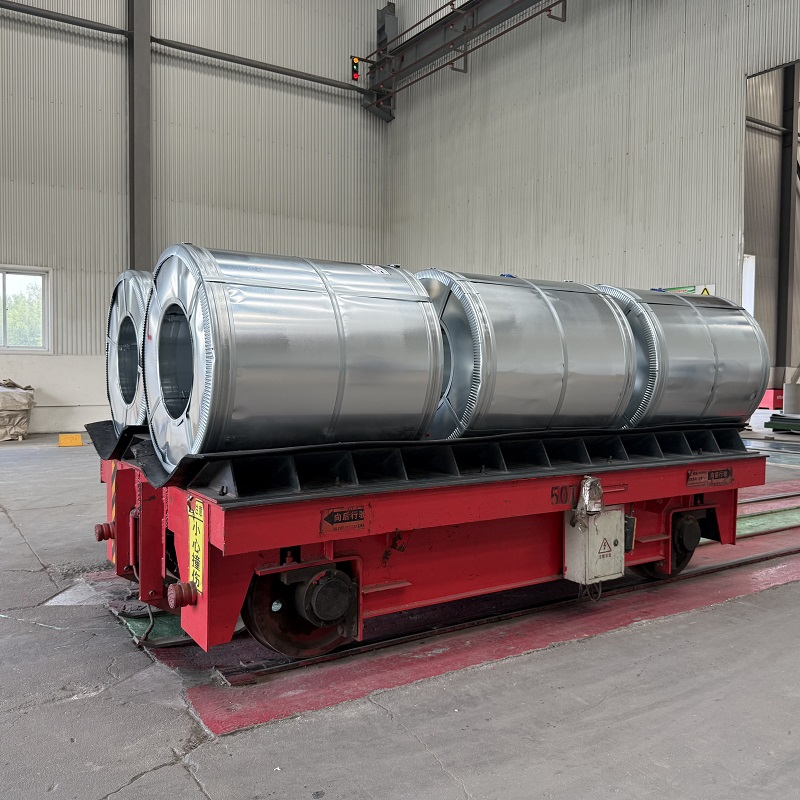
Learn how to test the bending performance of formable galvalume steel coil samples using T-bend testing to prevent cracking and scrap.
2026/09/10
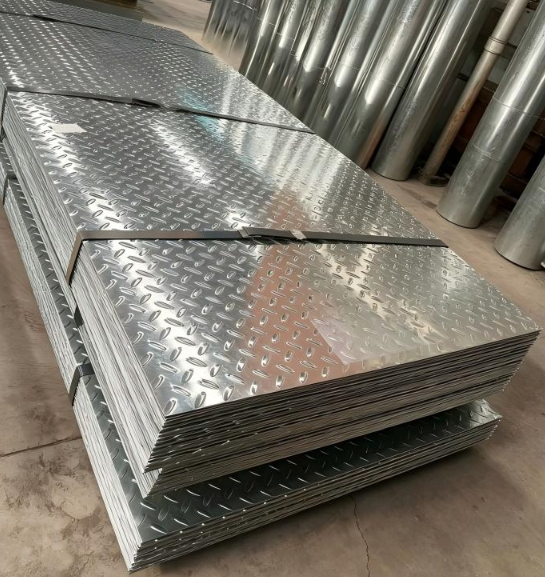
Discover how multi specification galvalume steel coil simplifies purchasing, boosts productivity, and lowers costs for metal fabricators.
2026/09/10
Discover why hot dipped galvanized steel and hot dip galvanized checkered plate offer ideal corrosion resistance and strength for road guardrails.
Covering green transformation, product comparison, selection guide, and industry empowerment, helping you fully grasp the dynamics of the color steel industry.

Global climate action and Belt and Road cooperation are driving the color steel industry’s shift toward green, sustainable development.
Comparing PPGI and PPGL across performance, durability, and applications to help you select the optimal coated steel for your project.
A practical guide to selecting and applying color steel coils, ensuring optimal performance, durability, and cost-effectiveness for your projects.
Industry forum drives digital and green transformation, empowering steel sector development through innovation and collaboration.