EN
EN

How Bespoke PPGI Steel Coil Meets the Unique Design Requirements of Special Projects
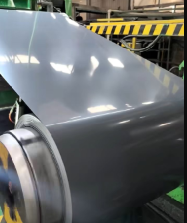
When a construction project has non-standard design requirements — unusual roof pitches, narrow wall cladding widths, or an architect-specified color that doesn't match any stock RAL shade — off-the-shelf prepainted steel simply doesn't work. The coil might be too thick for the roll-forming setup, the width creates cutting waste, or the color arrives with a visible ΔE gap from the approved sample. Projects like these are where bespoke PPGI steel coil becomes the practical answer rather than a premium option.
This article covers how a custom specification addresses the full range of design variables that special projects typically demand, and what procurement teams and project managers should verify before placing a bespoke order.
What Makes a PPGI Coil Truly "Bespoke"?
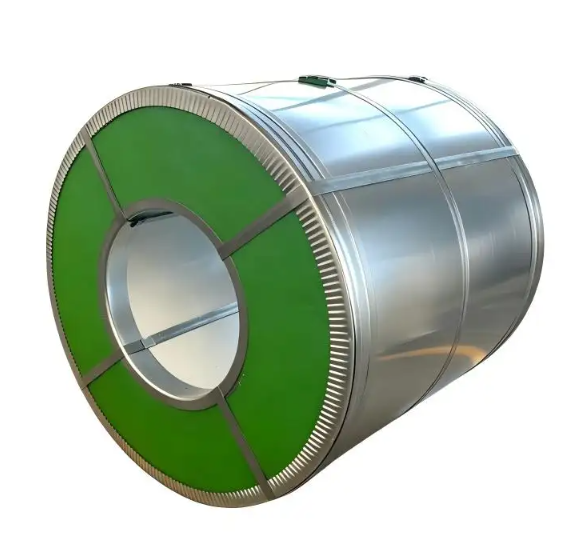
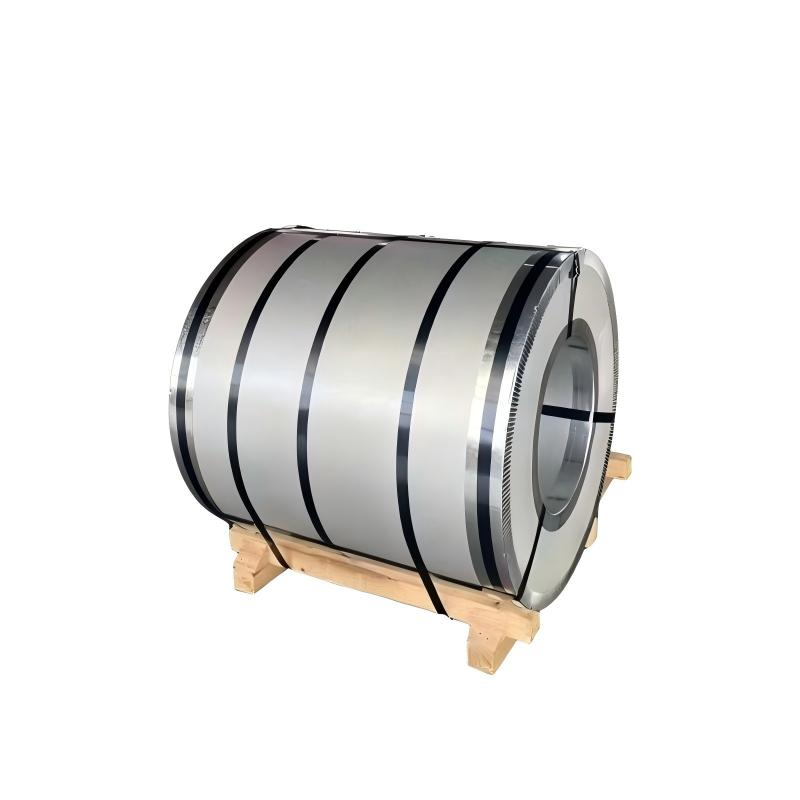
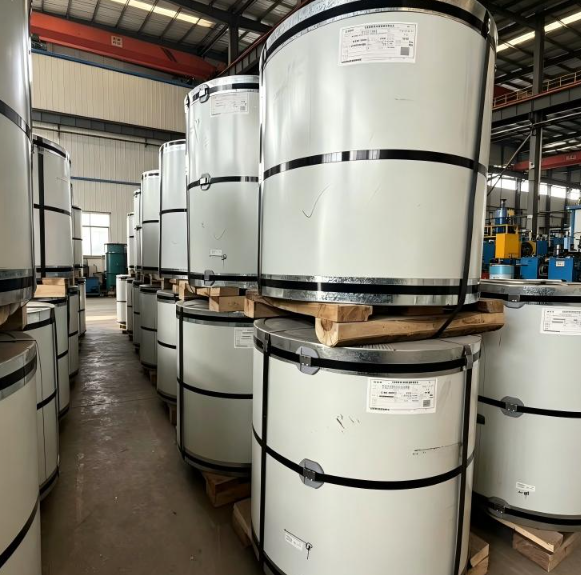
Standard PPGI coils cover a wide but finite range: thickness from around 0.3 mm to 0.8 mm, widths between 750 mm and 1250 mm, and a catalog of common RAL colors. For most roofing and cladding work, this is sufficient. For special construction or architectural projects that fall outside those parameters, a bespoke PPGI steel coil order defines the exact specification rather than accepting whatever stock is available.
The customizable parameters in a bespoke specification PPGI steel coil include:
- Bespoke thickness PPGI steel coil: from 0.12 mm to 1.5 mm, covering non-standard gauges for lightweight façade panels or heavier structural cladding, with gauge tolerances of ±0.02 mm achievable.
- Custom width: 600 mm up to 1500 mm, slit to exact project dimensions to eliminate trimming waste at the fabrication stage.
- Zinc coating weight: Z60 to Z275 as standard, with options up to Z450 for coastal or industrial environments where corrosion exposure is high.
- Color matched to design: RAL standard shades or custom-matched colors, with ΔE tolerances controlled across multiple production batches.
- Paint system — standard polyester, SMP, or PVDF — selected based on weathering requirements and expected service life.
When width and bespoke thickness PPGI steel coil dimensions are matched to the fabricator's roll-forming tooling, material waste drops and production throughput improves. When color is batch-controlled from the same mill order, multi-delivery projects avoid the consistency problems that arise when coils come from different production runs.
Common Design Requirements That Standard Stock Cannot Satisfy
Project managers often don't realize that a standard coil is causing downstream problems until fabrication is already underway. A width mismatch — say, 1000 mm coil running through a 925 mm roll-former — means trimming loss on every coil, which adds up considerably across a large cladding contract. Ordering a custom PPGI steel coil with the exact slit width eliminates this waste entirely.
Color batch inconsistency tends to surface only after the second or third container arrives on site. Two coils from different production batches may each pass basic color acceptance, but side by side on a finished building façade, the variation is visible. For architectural projects where color continuity across the entire envelope is part of the design brief, a bespoke PPGI steel coil sourced from a single controlled mill run prevents this problem.
Coating weight is another variable that standard ordering handles poorly for special applications. A general-purpose Z100 coating is adequate for inland roofing. A building in a coastal zone, near a chemical plant, or in a region with heavy salt-laden wind exposure needs higher zinc loading — Z180 or Z275 — to achieve the expected service life. Ordering the wrong coating weight is a specification problem that a properly structured order would have prevented.
How to Specify a Bespoke PPGI Steel Coil for Your Project
A well-structured bespoke specification starts with the application, not the product. Before contacting a supplier, project teams should establish:
- Fabrication process requirements: What bespoke thickness PPGI steel coil gauge and slit width does the roll-forming equipment require?
- Exposure environment: Is the installation site inland, coastal, or industrial? This determines the zinc coating weight and paint system.
- Aesthetic requirements: Is the color from a standard RAL range, or a custom project color? What ΔE tolerance is acceptable across multi-batch deliveries?
- Structural requirements: Does the application need a higher-yield base metal such as S350GD, or is standard S250GD adequate?
- Volume and schedule: Bespoke PPGI steel coil is a mill-order item. Lead times run longer than ex-stock, and minimum order quantities apply per specification.
Sharing this information upfront lets a supplier propose a specification rather than simply a product. At Yuanhe Steel, the commercial team reviews project parameters and recommends appropriate coating weight, base metal grade, and paint system combinations — acting as a material advisor. This guidance matters most on first bespoke PPGI steel coil orders, where procurement teams may not have prior experience translating design requirements into precise coil specifications.
Quality Verification for Bespoke Orders
Bespoke PPGI steel coil carries higher specification risk than standard products. Mill test reports (MTRs) for each batch should confirm the actual bespoke thickness, zinc coating weight, paint film thickness, and color ΔE versus the approved master sample. For projects with regulatory requirements — seismic zones or energy performance codes — base metal yield strength certification against ASTM, EN 10346, or JIS G3312 is also necessary.
Pre-shipment third-party inspection — SGS, BV, or equivalent — provides an independent check on critical parameters before goods leave the mill. This matters particularly for custom PPGI steel coil orders where tolerances are tighter than standard product ranges, and where rework at the installation site would be costly.
Yuanhe Steel coordinates pre-shipment inspection for bespoke orders, providing buyers with verified documentation before shipment. Mill test reports are issued per coil heat number, enabling full traceability from the finished building back to the production batch.
Bespoke PPGI Steel Coil Across Different Project Types
The design requirements that drive bespoke PPGI steel coil orders vary by project category:
Architectural and mixed-use buildings: Façade continuity and color precision are the primary drivers. Custom color matching with ΔE ≤ 1.0 per batch, non-standard panel widths, and matte or textured surface finishes are typical requirements. The bespoke specification PPGI steel coil must also meet paint system requirements for long-term UV resistance.
Industrial and logistics facilities: Coating durability and substrate strength take priority. Z275 or higher zinc coating, SMP or PVDF paint systems, and heavier gauges for large-span roof panels are common bespoke specifications. A bespoke thickness PPGI steel coil of 0.5 mm to 0.8 mm suits industrial shed roofing, while wall cladding may use thinner gauges with higher gloss polyester.
Agricultural and rural construction: Cost-efficient specifications focus on optimal slit width for zero-waste roll-forming and a coating weight matched to local climate conditions rather than an over-engineered standard grade. For buyers in tropical markets, a bespoke PPGI steel coil with Z180 coating and PE paint system offers a practical balance of durability and cost.
Across all these categories, bespoke PPGI steel coil specifications exist not to add complexity but to remove it downstream — fewer cuts, less waste, fewer quality disputes, and a finished project that matches the design intent. Explore Yuanhe Steel's PPGI product range or contact Leo Liu at [email protected] to discuss your custom PPGI steel coil requirements.