EN
EN

How to customize length size of precision cut GI coil finished sheets
2026/09/11
Learn how to specify precision cut GI coil sheets in custom lengths — tolerance selection, coating integrity, and ordering tips.
2026/08/26
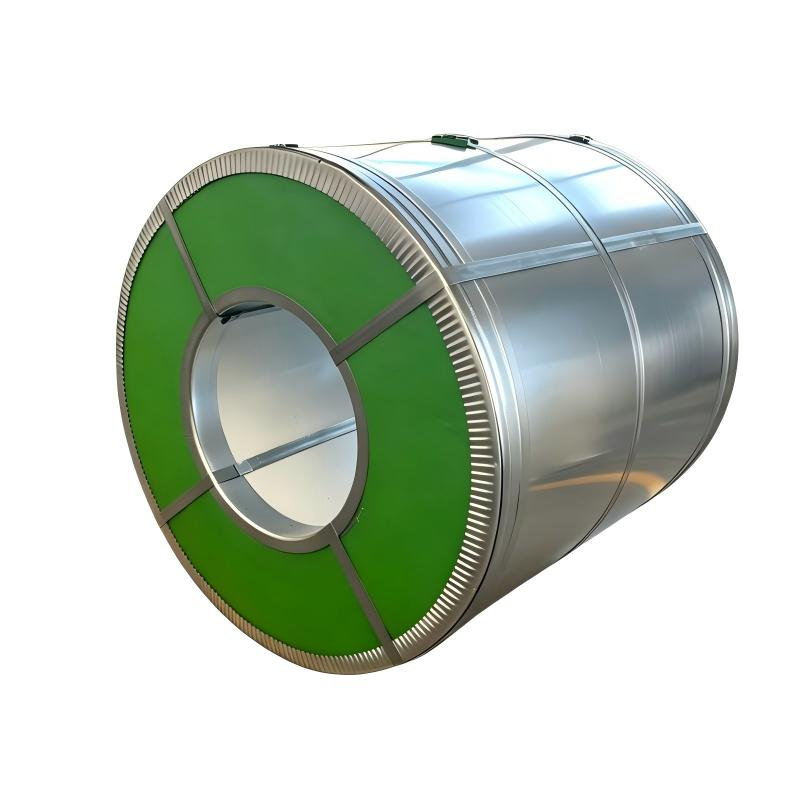
When evaluating materials for your next project, getting the thickness right on a prepainted galvanized steel coil is usually the make-or-break technical decision. Pick something too thin, and you risk premature structural failure, severe oil-canning, or weather damage. Go too thick, and you immediately inflate material costs, strain your processing machinery, and add unnecessary weight to the entire assembly.
The market generally splits a prepainted galvanized steel coil into two core operational categories: thin gauge (ranging from 0.09mm to 0.4mm) and thick gauge (0.4mm to 1.5mm and above). Navigating this spec boundary isn’t just about reading a micrometer—it requires balancing structural load capacities, forming dynamics, coating chemistry, and long-term operating costs.
The distinction between a thin gauge prepainted galvanized steel coil and a thick gauge alternative extends far beyond raw millimeter measurements. The substrate thickness directly dictates how the metallic protective layer and topcoat behave during fabrication and long-term field installation.
Thin Gauge Prepainted Galvanized Steel Coil (0.09mm – 0.4mm)
Thin-gauge material prioritizes weight efficiency, surface smoothness, and extreme formability. Because the underlying steel substrate is relatively light, the mechanical springback during stamping or deep drawing is minimal.
Zinc Substrate Weight: Typically specified with lighter metallic protection, ranging from Z20 to Z80 ($20\text{ g/m}^2$ to $80\text{ g/m}^2$).
Coating Architecture: Standard polyester (PE) or silicone-modified polyester (SMP) systems applied at 15 to 20 microns dry film thickness.
Primary Advantage: Maximizes square footage per metric ton while delivering smooth, defect-free visual surfaces for detailed bending or stamping operations.
Thick Gauge Prepainted Galvanized Steel Coil (0.4mm – 1.5mm+)
Thick-gauge material provides the mechanical strength needed to resist physical loads, environmental shear forces, and thermal expansion strains.
Zinc Substrate Weight: Demands heavier galvanizing layers, usually between Z80 and Z275, to protect cut edges and severe mechanical bends.
Coating Architecture: High-durability SMP or polyvinylidene fluoride (PVDF) paint systems with topcoats measuring 20 to 25 microns or higher.
Primary Advantage: Superior tensile strength, enhanced resistance to oil-canning, and massive resistance against wind uplift and cyclic thermal shock.
| Performance Parameter | Thin Gauge Coil (0.09mm - 0.4mm) | Thick Gauge Coil (0.4mm - 1.5mm+) |
| Typical End Uses | Home appliance panels, ceiling suspension, interior ductwork | Roof cladding, insulated sandwich panels, exterior wall systems |
| Formability Profile | High (ideal for intricate deep drawing, tight radii) | Moderate (suited for roll forming, structural bending) |
| Edge Corrosion Risk | Lower absolute edge area; requires balanced zinc | High edge exposure; requires heavier zinc (Z120-Z275) |
| Paint Compatibility | PE, High-Durable Polyester (HDP), standard SMP | Premium SMP, PVDF, specialized anti-static finishes |
| Freight & Handling | Exceptional yield per ton; reduced transport costs | Heavier transport footprint; higher mechanical load handling |
| Outdoor Durability | Moderate (7 to 12 years depending on climate) | Extended (15 to 25+ years in harsh outdoor environments) |
Scenario 1: Optimizing Household Appliance Manufacturing
A major consumer electronics manufacturer in Southeast Asia originally used a 0.50mm prepainted galvanized steel coil to produce refrigerator side panels. Their goal was to ensure maximum structural integrity. However, production line testing revealed that the heavy material increased wear on precision stamping dies and slowed down cycle times considerably.
By switching to a 0.35mm thin gauge prepainted galvanized steel coil engineered with a Z40 zinc coating, the engineering team lowered total panel weight by nearly 28%. The higher ductility of the thinner base metal allowed faster press speeds and eliminated tool jamming. Structural rigidity was easily maintained by introducing minor geometric stiffening ribs into the panel design, saving raw material costs while keeping performance high.
Scenario 2: Correcting Field Failures in Commercial Roofing
Conversely, a logistics park developer in Central Asia attempted to cut initial expenditure by installing a 0.30mm thin gauge prepainted galvanized steel coil across a 12,000-square-meter warehouse roof. Within two years, intense wind shear and extreme temperature swings created severe micro-cracking around mechanical fastener points. The thin substrate buckled slightly under thermal pressure, breaking the paint film and exposing raw metal to ambient moisture.
The entire roofing setup had to be replaced with a 0.50mm prepainted galvanized steel coil carrying a heavy Z120 zinc layer and a PVDF topcoat. The increased stiffness easily absorbed wind uplift loads, while the robust paint system handled severe thermal expanding and contracting without surface degradation, providing a stable 20-year service life.
Procurement teams looking to streamline material selection for a prepainted galvanized steel coil can rely on a clear four-part evaluation strategy:
Environmental Exposure Assessment:
Indoor, climate-controlled installations (such as acoustic ceiling grids or interior partition walls) do not face UV degradation or standing moisture. These applications run efficiently on a thin gauge prepainted galvanized steel coil with a basic PE coating. Outdoor applications exposed to marine air, elevated humidity, or industrial pollution require a thick gauge prepainted galvanized steel coil carrying heavy zinc protection and a PVDF finish.
Forming Strain and Tooling Dynamics:
If your manufacturing process involves complex multi-stage stamping or tight deep-drawing actions, a thin gauge prepainted galvanized steel coil provides the ductility needed to avoid micro-fracturing along the paint layer. For standard roll-forming machines producing long, continuous roof or wall sheets, thicker substrates ensure structural rigidity along the span.
Total Cost of Ownership Analysis:
Looking purely at the cost per metric ton can be misleading. Thinner coils yield significantly more square meters per ton, lowering upfront shipping and material costs. However, if the service environment demands heavy weather resistance, installing an under-specified thin coil leads to premature maintenance and early replacement costs. Match the gauge directly to the asset's intended lifespan.
Tolerance Standards and Batch Quality:
Tight manufacturing tolerances are essential for seamless automated processing. Verify that your supply partner strictly complies with international production protocols such as ASTM A653, JIS G3302, or EN 10169. Mill test certificates (MTC) should consistently confirm accurate baseline thickness, proper zinc mass density, and uniform paint film application across the full length of every coil.
What is the industry benchmark thickness for prepainted galvanized steel coil used in roofing?
For residential and commercial roofing, the standard baseline ranges from 0.40mm to 0.60mm. Pairing this thickness range with a Z120 or heavier zinc substrate ensures the panels resist oil-canning, withstand heavy snow or wind loads, and maintain long-term fastener stability.
Is it safe to specify a thin gauge prepainted galvanized steel coil for outdoor projects?
Yes, but only under specific environmental conditions and coating configurations. A thin gauge prepainted galvanized steel coil destined for outdoor exposure should feature a high-durability paint formulation (such as SMP or PVDF) over at least a Z60 zinc base. It should be restricted to low-stress applications like soffits, fascias, or well-supported wall trims.
How can procurement teams verify thickness accuracy upon delivery?
Never rely solely on visual inspection or batch labels. Always review the supplier's Mill Test Certificate for each heat number. Cross-check these documents on-site by sampling incoming material with digital micrometers at multiple positions—checking both edges and the center line across the full width of the coil to ensure precise cross-sectional uniformity.
Successfully balancing structural requirements, coating longevity, and overall budget depends on choosing a manufacturing partner that understands these technical nuances. From ultra-light interior applications to heavy-duty industrial roofing, accessing consistent, tightly controlled tolerances makes all the difference in your final product quality.
As an experienced global supply partner, Yuanhe delivers an extensive selection of coil products engineered to strict international benchmarks, including ASTM A653, EN 10169, and JIS G3302. Operating a comprehensive three-tier quality control architecture, Yuanhe produces steel thicknesses spanning 0.09mm up to 1.5mm+, alongside customizable zinc layers ranging from Z20 to Z275. By combining rapid production turnarounds with efficient international logistics, Yuanhe provides high-performance prepainted galvanized steel coil solutions tailored to the precise structural and economic needs of manufacturers and builders worldwide.
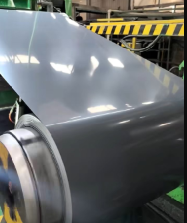
2026/09/11
Learn how to specify precision cut GI coil sheets in custom lengths — tolerance selection, coating integrity, and ordering tips.
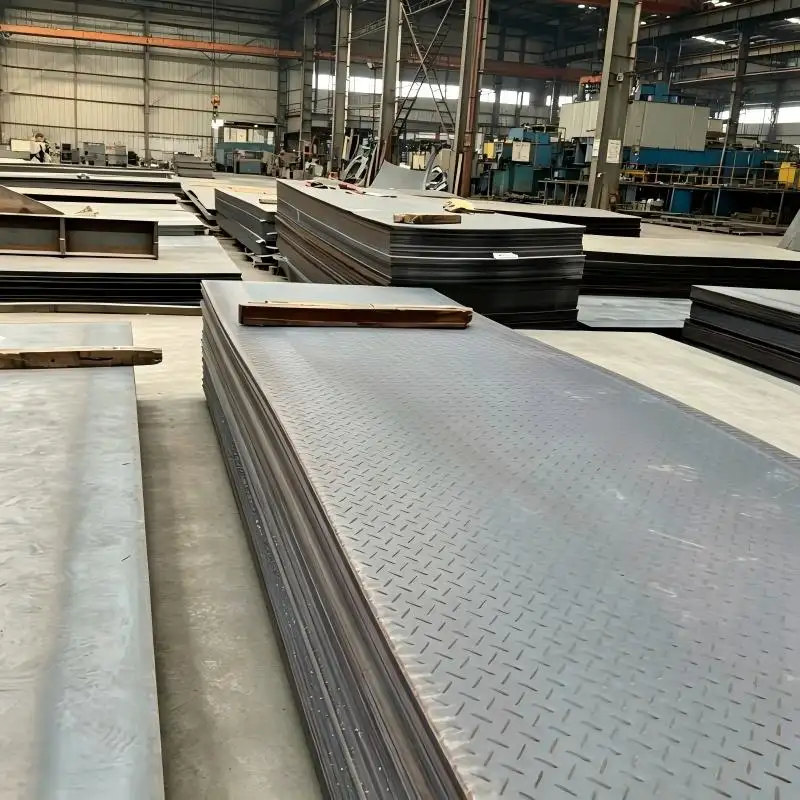
2026/09/11
Learn why premium finish galvalume steel coil delivers better paint adhesion and visual consistency in finished building products. Request specs today.
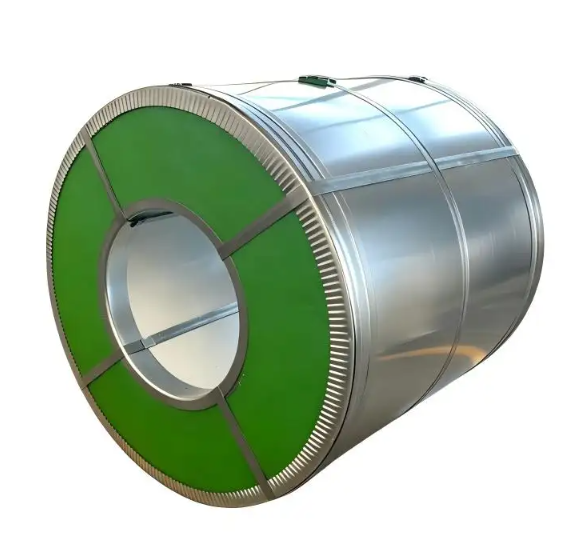
2026/09/10
Learn why heavy coating galvalume steel coil provides superior corrosion resistance in harsh coastal settings and saves long-term maintenance costs.
2026/09/10
Learn how to test the bending performance of formable galvalume steel coil samples using T-bend testing to prevent cracking and scrap.
2026/09/10
Discover how multi specification galvalume steel coil simplifies purchasing, boosts productivity, and lowers costs for metal fabricators.
2026/09/10
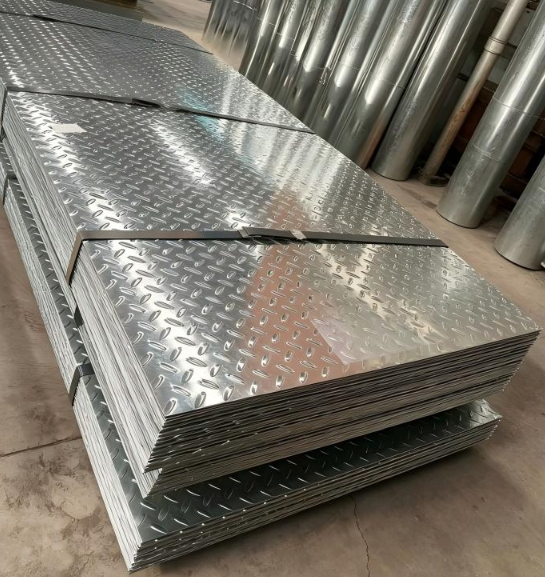
Discover why hot dipped galvanized steel and hot dip galvanized checkered plate offer ideal corrosion resistance and strength for road guardrails.
Covering green transformation, product comparison, selection guide, and industry empowerment, helping you fully grasp the dynamics of the color steel industry.

Global climate action and Belt and Road cooperation are driving the color steel industry’s shift toward green, sustainable development.

Comparing PPGI and PPGL across performance, durability, and applications to help you select the optimal coated steel for your project.
A practical guide to selecting and applying color steel coils, ensuring optimal performance, durability, and cost-effectiveness for your projects.
Industry forum drives digital and green transformation, empowering steel sector development through innovation and collaboration.